Structural Bonding for Stronger Structural Integrity
In structural repair and strengthening projects, bonding is often the most important factor. Whether applying epoxy crack injection, steel plate bonding, CFRP strengthening, or concrete patch repair, the performance depends heavily on one key step: Surface Preparation.
Even the strongest adhesive or repair material cannot perform effectively if it is applied to a poorly prepared surface. Proper preparation ensures that the repair material bonds securely to the existing concrete, allowing both materials to act together structurally.
For engineers and contractors involved in structural repair, retrofitting, and building refurbishment, understanding the importance of surface preparation is essential to achieving durable and reliable repair outcomes.
The Role of Bonding in Structural Repair
Many modern structural repair techniques rely on adhesive bonding to transfer loads between materials. The durability of the repair depends largely on the quality of bonding between the repair system and the existing structure. For example:
In all these applications, the adhesive layer acts as the interface that transfers stresses from the existing structure to the repair system. If the bond fails, the repair system will not perform as intended.
A properly prepared surface allows adhesives and repair materials to penetrate the concrete pores, create mechanical interlocking and resist long-term environmental exposure.
Why Poor Surface Preparation Causes Bond Failure
Concrete surfaces are rarely ready for bonding immediately after exposure. When these conditions are not addressed, bonding systems such as epoxy injections, structural adhesives, or strengthening laminates may detach prematurely. Several conditions can prevent proper adhesion:
Surface Contamination: Dust, oil, laitance, grease, curing compounds, or coatings can prevent adhesives from penetrating the concrete surface.
Weak Concrete Layers: The outer surface of concrete may contain weak laitance or deteriorated material that cannot provide sufficient bond strength.
Smooth Surfaces: Very smooth concrete surfaces limit mechanical interlocking between the adhesive and the concrete substrate.
Moisture Conditions: Excess moisture may prevent certain adhesives, particularly epoxies, from bonding properly to the concrete surface.
Common Surface Preparation Methods
Diamond Grinding: Grinding removes weak surface layers and contaminants while creating a roughened surface profile. This method is commonly used before epoxy injection repair or crack sealing works.
Mechanical Hacking or Chipping: In concrete repair works, deteriorated or unsound concrete must first be removed to expose sound material capable of supporting the repair.
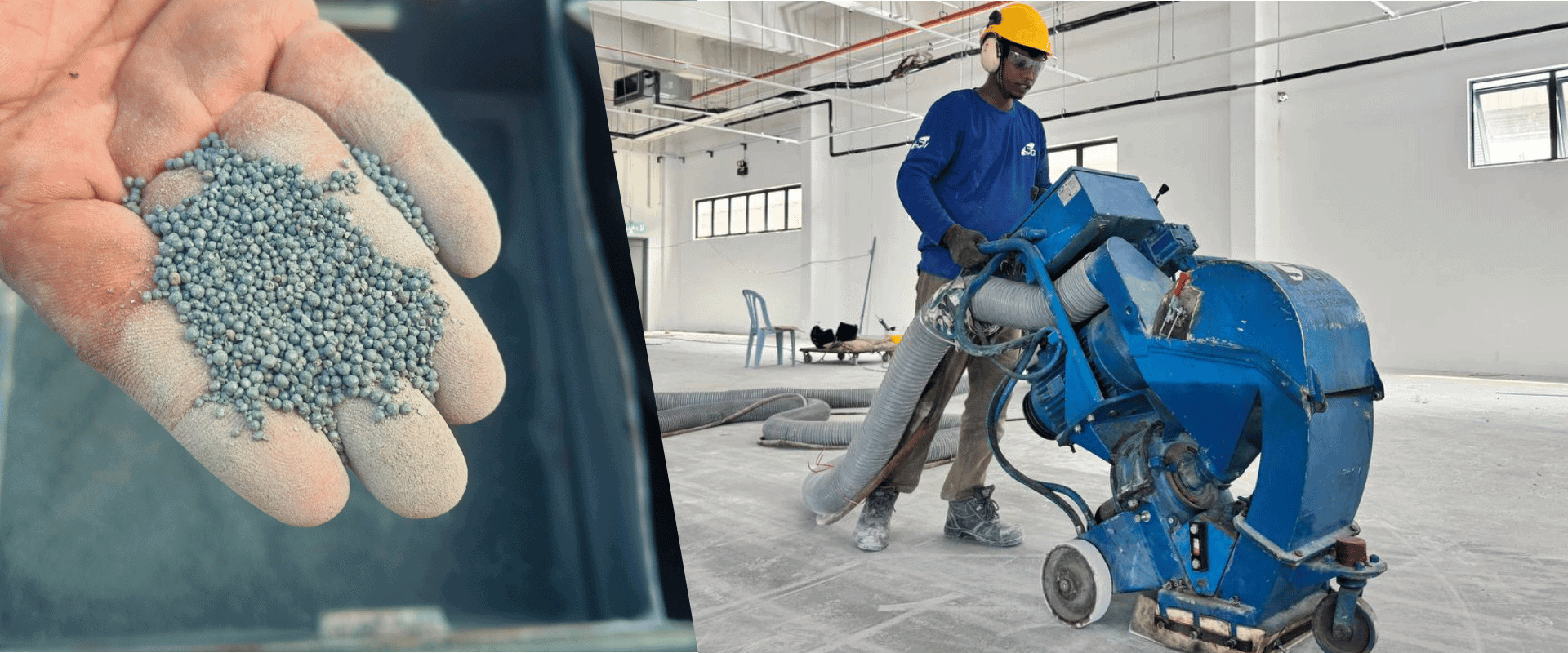
Shot Blasting: These methods are used to create a clean and rough concrete surface by removing surface contaminants and improving mechanical bonding.
Cleaning and Dust Removal: After mechanical preparation, surfaces must be cleaned thoroughly using compressed air, vacuum, or water to remove dust and debris that could weaken the bond. Proper cleaning is particularly critical before epoxy bonding systems or structural strengthening installations.
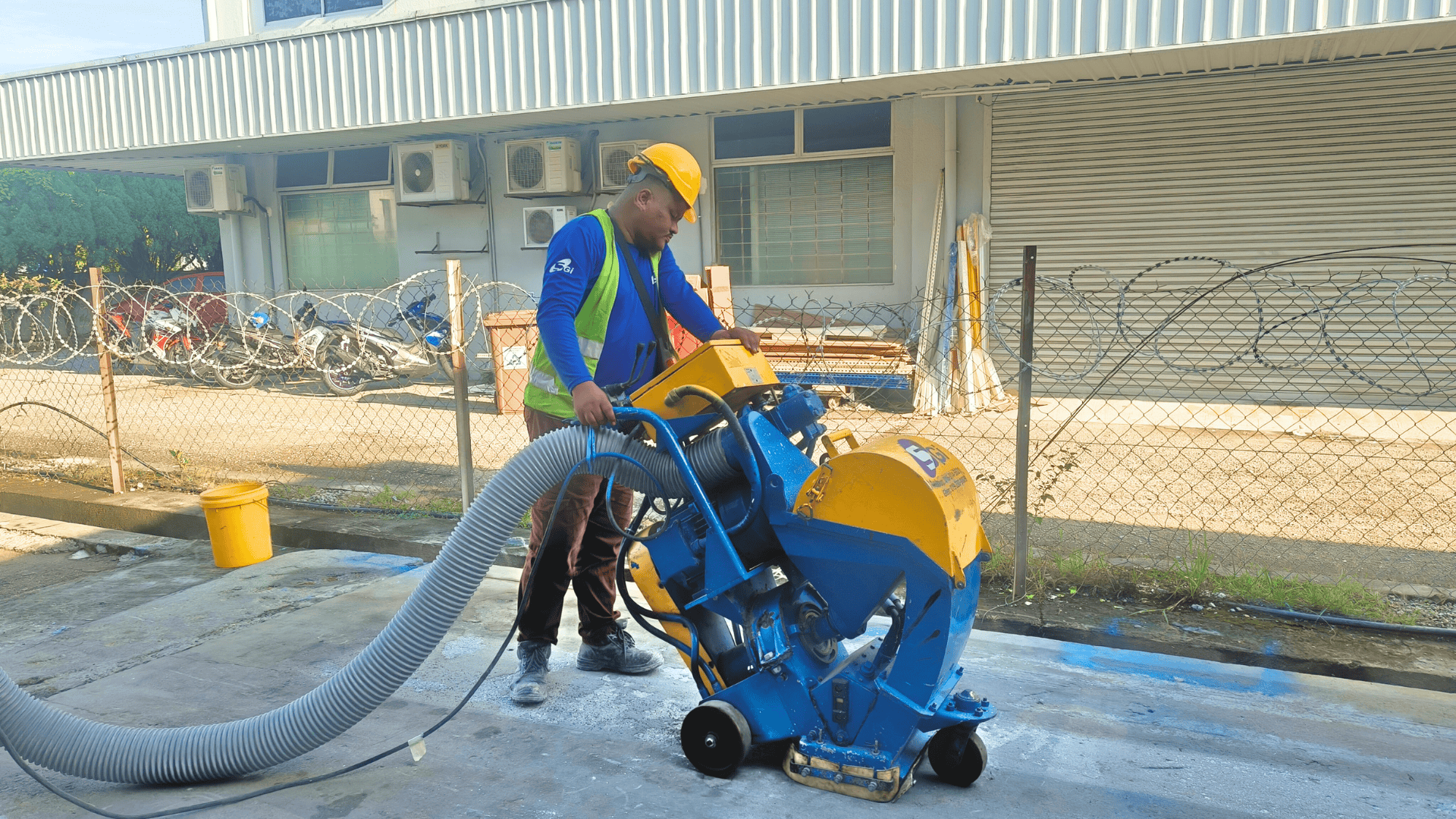
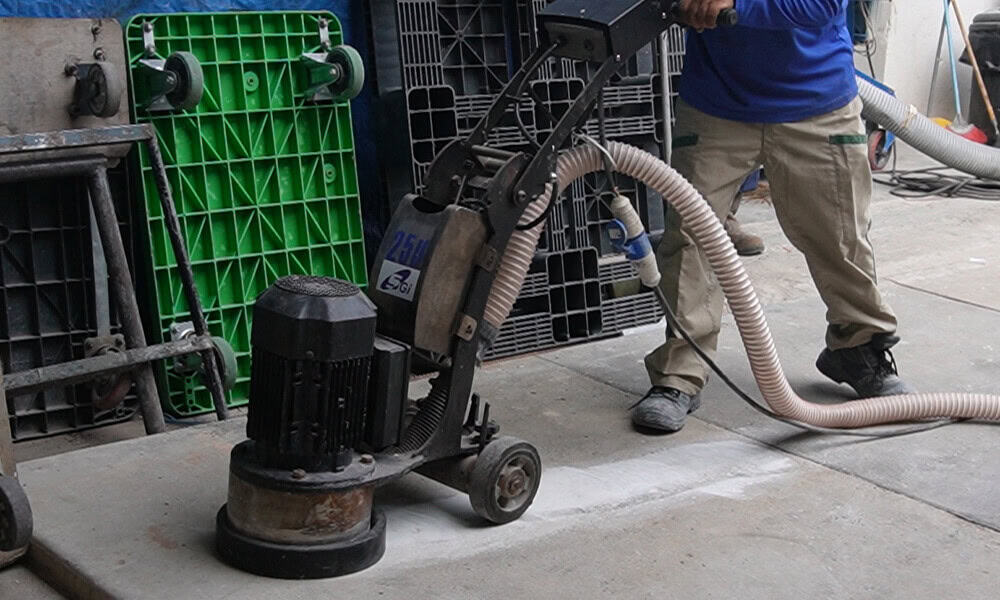
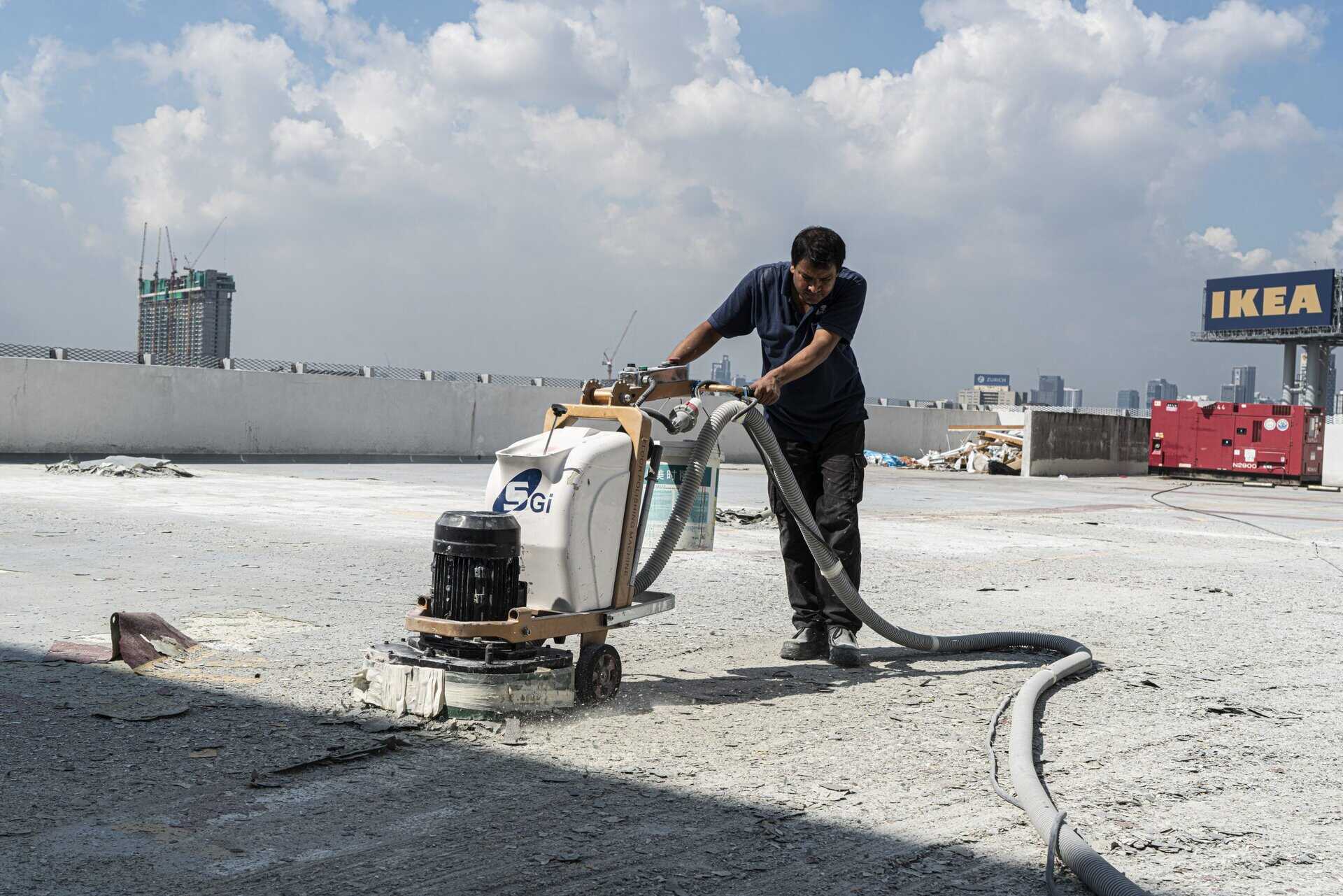
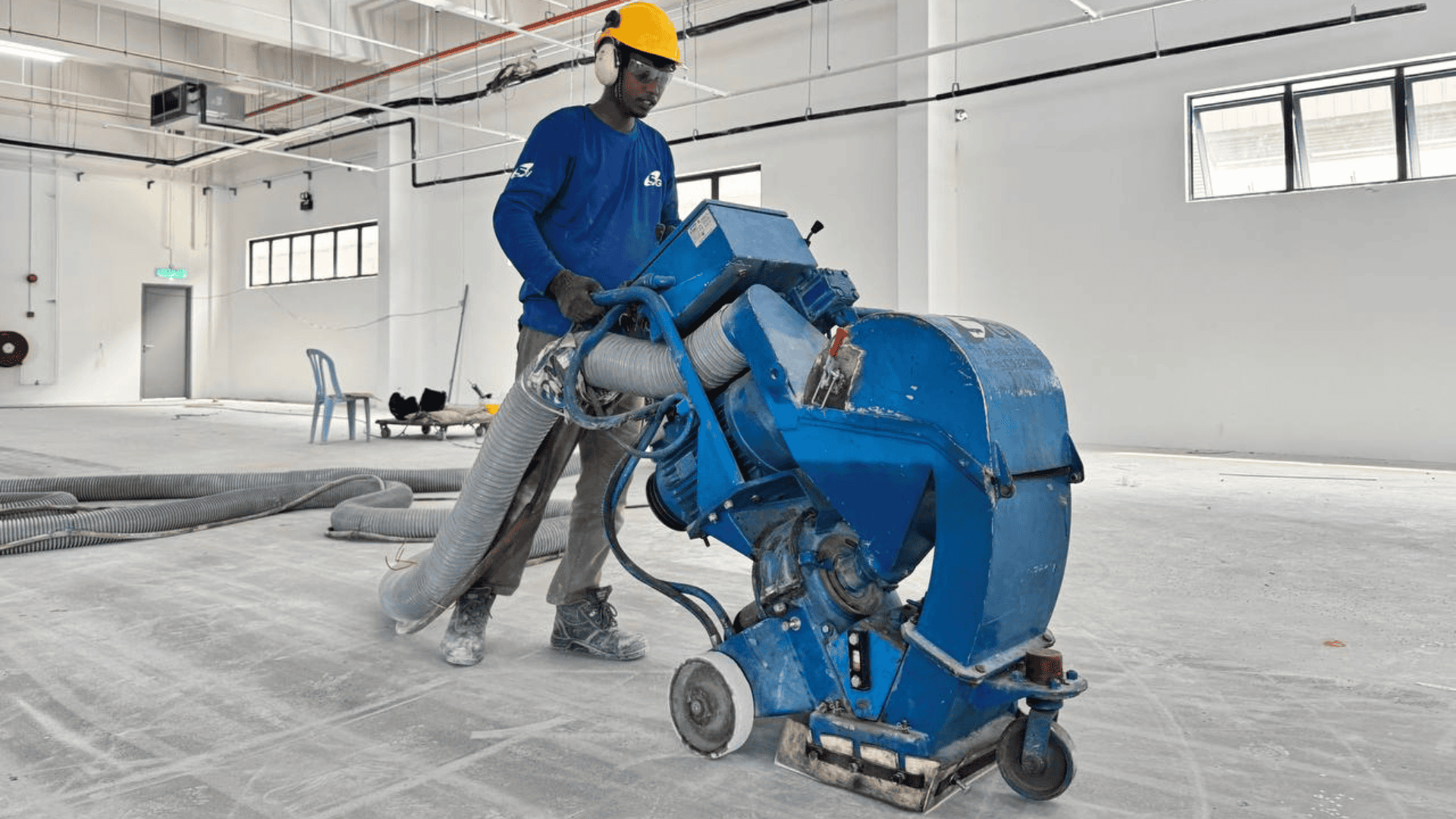
Diamond Grinding | Grinding removes weak surface layers and contaminants while creating a roughened surface profile. This method is commonly used before epoxy injection repair or crack sealing works. |
|---|---|
Mechanical Hacking or Chipping | In concrete repair works, deteriorated or unsound concrete must first be removed to expose sound material capable of supporting the repair. |
Shot Blasting | These methods are used to create a clean and rough concrete surface by removing surface contaminants and improving mechanical bonding. |
Cleaning and Dust Removal | After mechanical preparation, surfaces must be cleaned thoroughly using compressed air, vacuum, or water to remove dust and debris that could weaken the bond. Proper cleaning is particularly critical before epoxy bonding systems or structural strengthening installations. |
Engineering Considerations in Surface Preparation
Engineers typically specify surface preparation requirements to ensure the bond strength meets design requirements.
Important considerations include:
- Minimum concrete bond strength
- Surface roughness profile
- Cleanliness of the substrate
- Moisture condition
- Compatibility of repair materials
For structural strengthening systems, proper preparation ensures that the adhesive bond is stronger than the concrete substrate itself, which is necessary for effective load transfer.