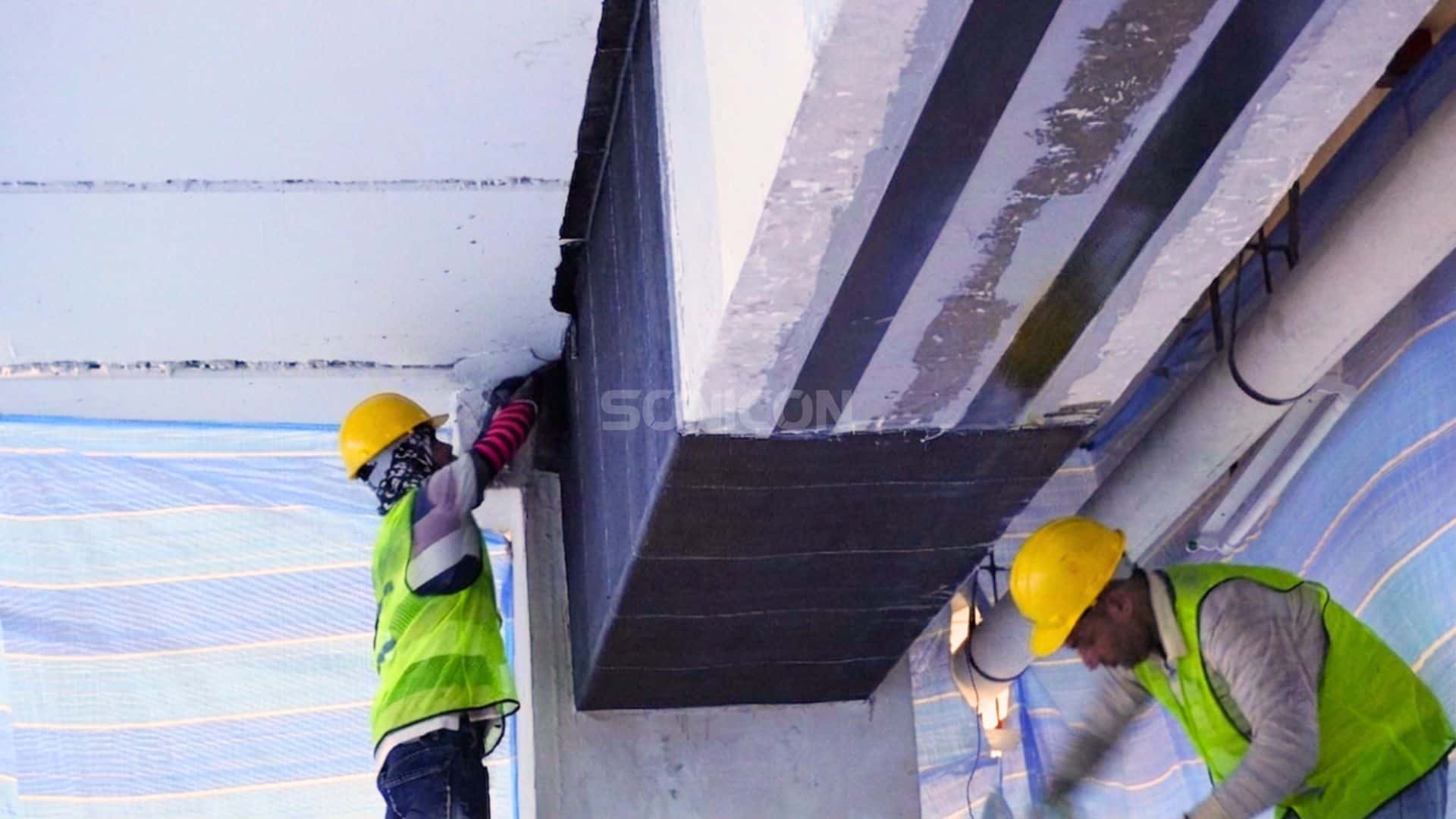
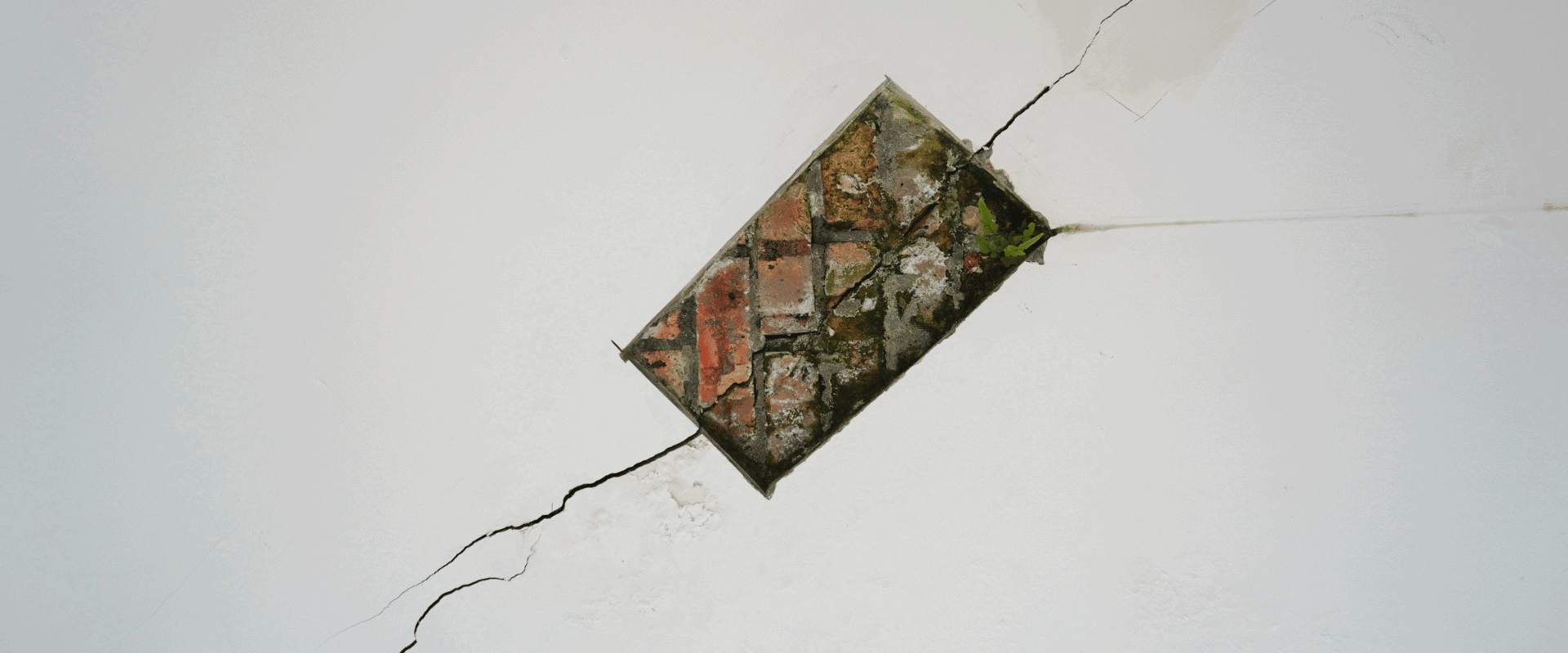
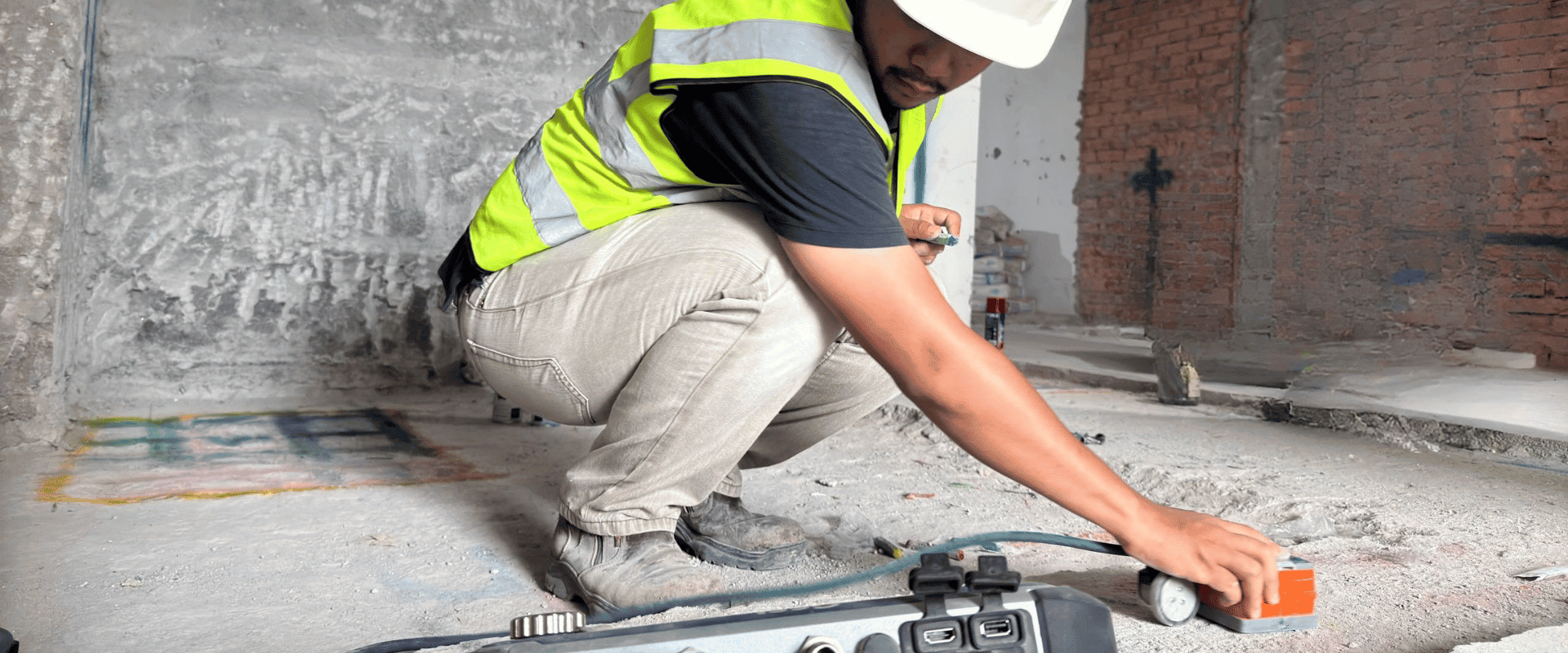
Concrete structures can develop cracks over time due to loading, shrinkage, environmental exposure, or structural distress. When these cracks compromise the structural integrity of reinforced concrete members, timely repair is necessary to prevent further deterioration and restore the performance of the structure.
One widely used solution in structural repair and concrete restoration is epoxy crack injection. This method helps to restore the integrity in cracked concrete such as beams, slabs, columns, and foundations.
What Is Epoxy Crack Injection?
Epoxy crack injection is a concrete injection repair method where low-viscosity epoxy resin is injected into cracks under pressure. Once cured, the epoxy bonds the cracked concrete surfaces together, effectively restoring the member’s original strength and stiffness.
This process is commonly used in:
- Reinforced concrete floor slabs
- Beam strengthening projects
- Foundation strengthening
- Bridge strengthening
- Structural refurbishment and retrofitting
- Structural damage repair
By filling the crack completely, the epoxy allows the concrete to behave again as a single continuous structural element, which is essential for maintaining structural reinforcement and load transfer.
Epoxy Crack Injection Process
Successful concrete crack epoxy injection depends heavily on proper preparation and execution. The process must be carefully controlled to ensure the epoxy fully penetrates the crack and bonds the concrete surfaces.
1. Crack Inspection and Assessment
Before any epoxy injection repair begins, engineers must assess the crack condition.
This includes identifying:
- Crack width and length
- Cause of cracking
- Structural significance
- Moisture condition
Understanding the cause of the crack is essential. If cracks are caused by ongoing structural movement, epoxy injection alone may not be sufficient and additional structural strengthening or building reinforcement may be required.
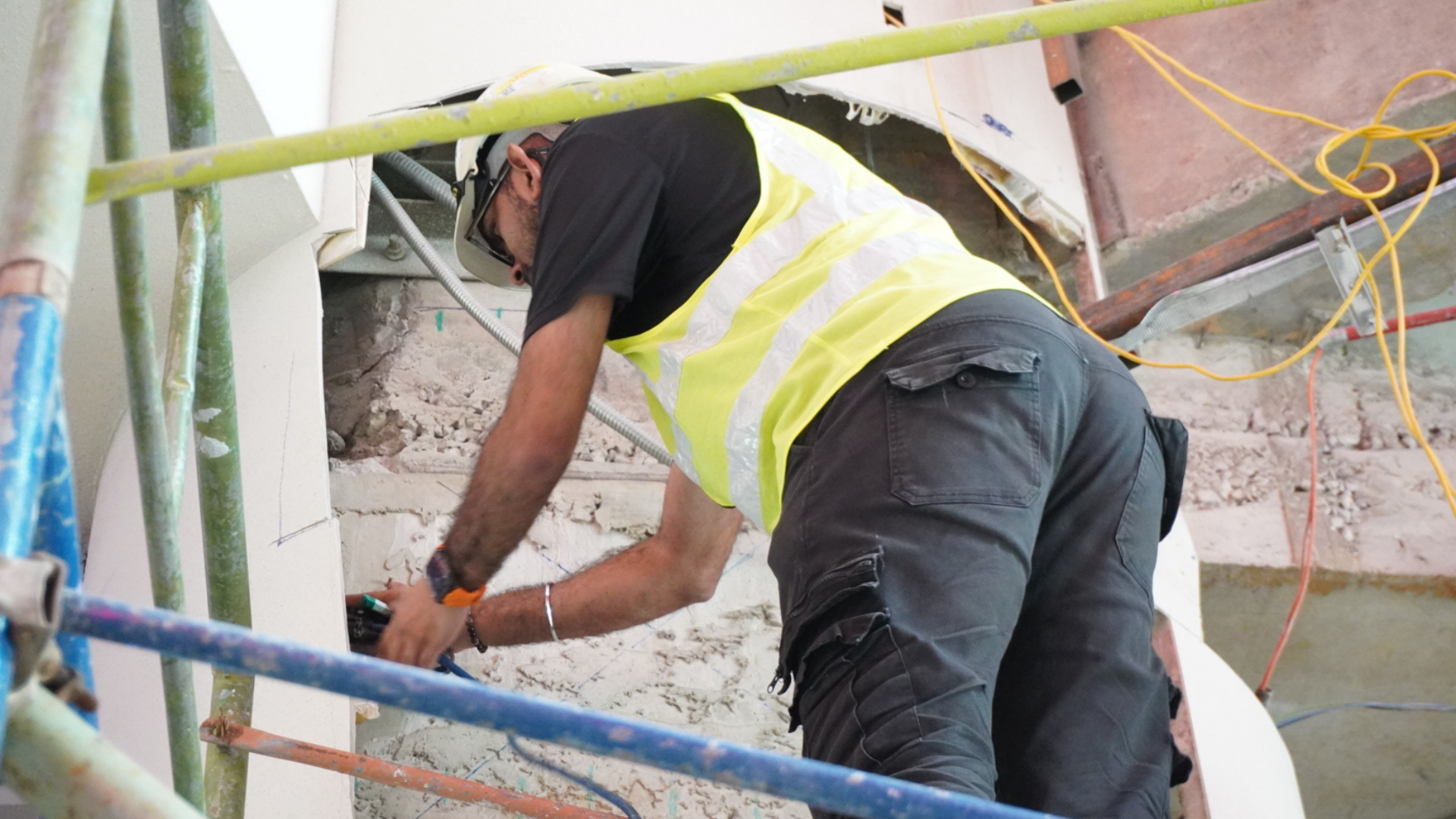
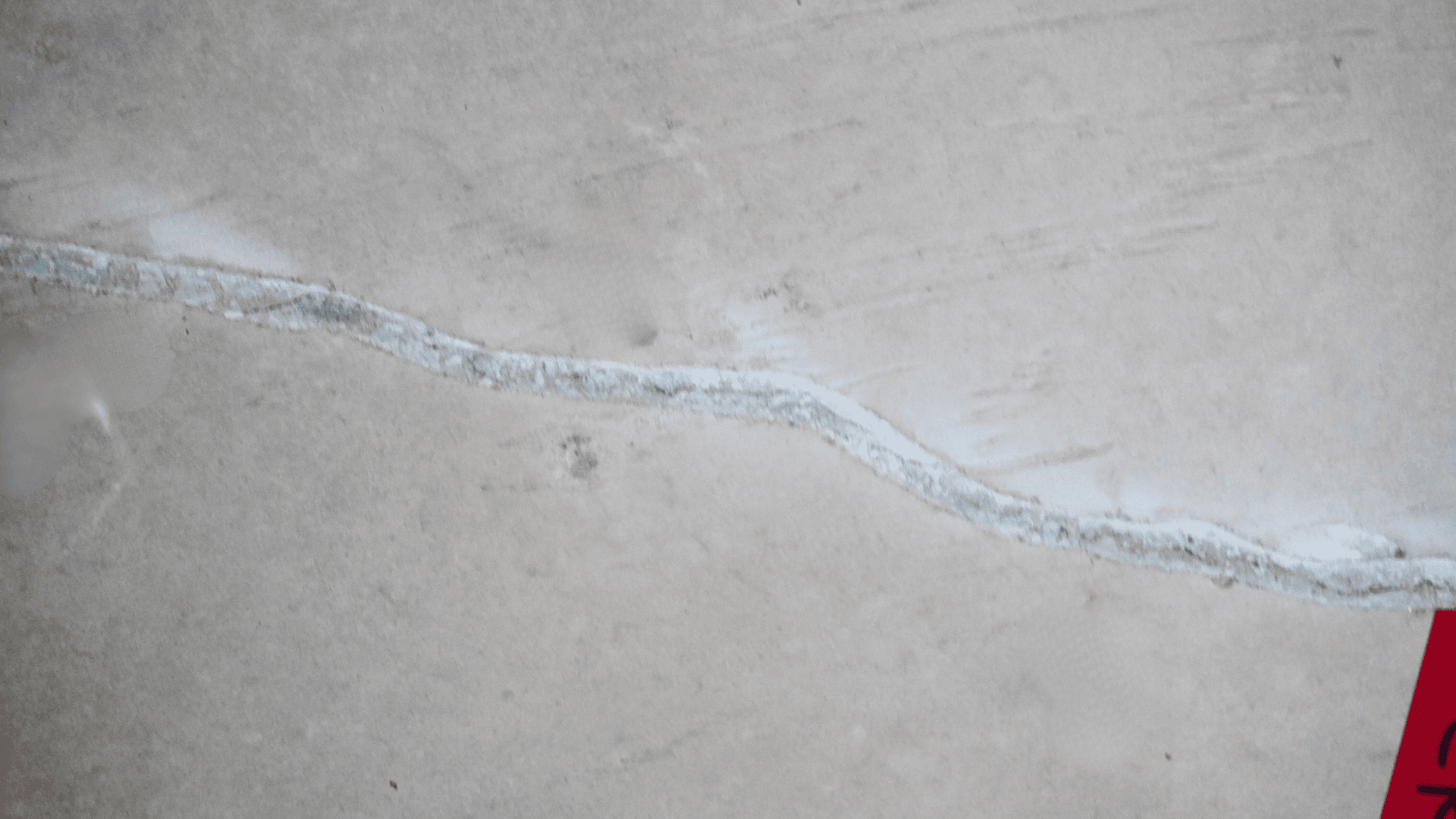
2. Surface Preparation
The concrete surface around the crack is cleaned to remove dust, laitance, grease, or debris that could affect bonding.
Grinding or brushing is often performed to expose sound concrete. Proper surface preparation ensures the injectable concrete crack repair system adheres well to the structure.
3. Installation of Injection Packers
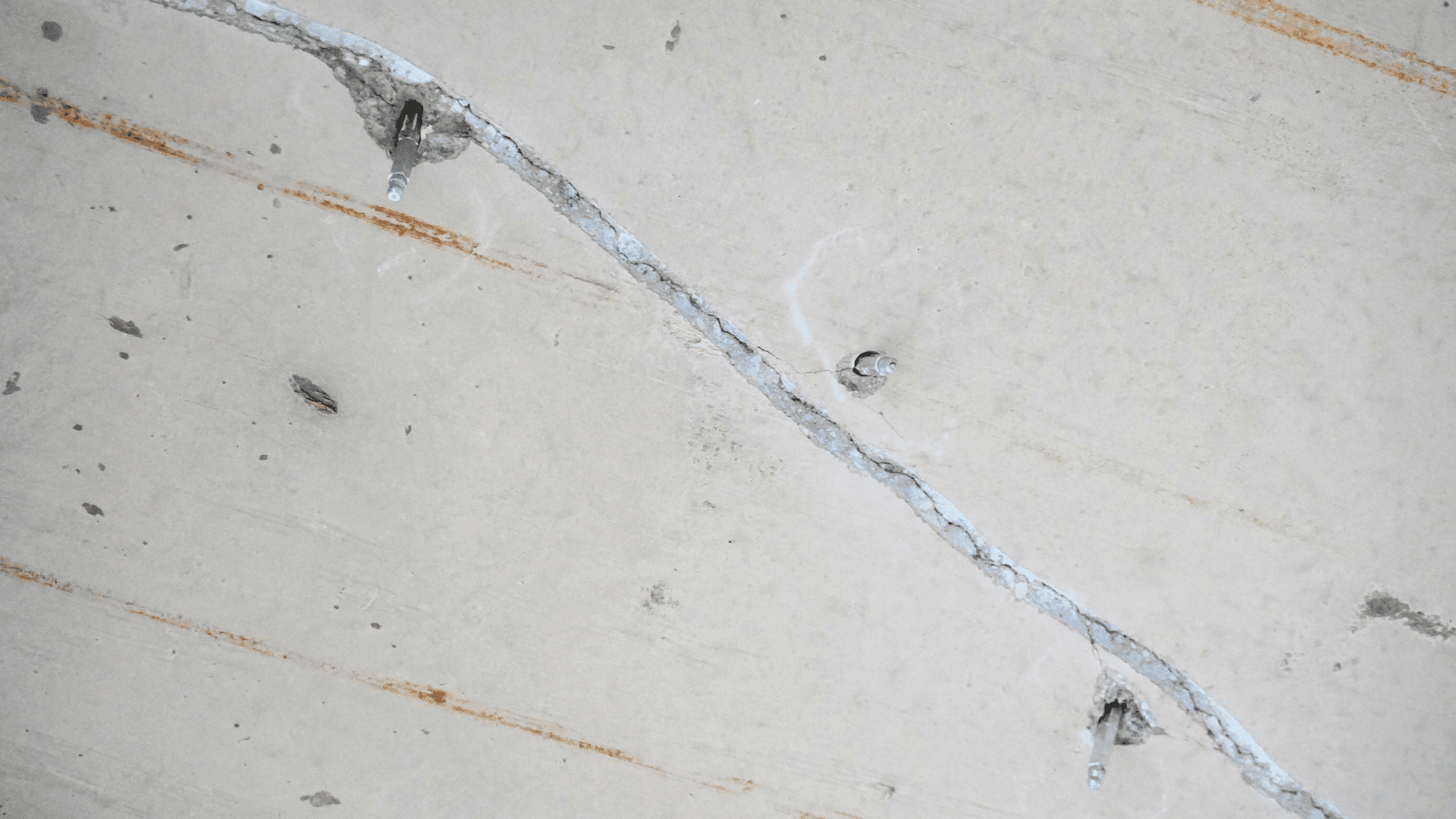
Small injection ports, commonly known as packers, are installed along the crack at regular spacing.
These packers allow controlled epoxy injection for concrete cracks using specialized pumps. The spacing depends on the crack width and depth.
The crack surface between packers is then sealed using epoxy paste to prevent leakage during the injection process.
4. Epoxy Injection
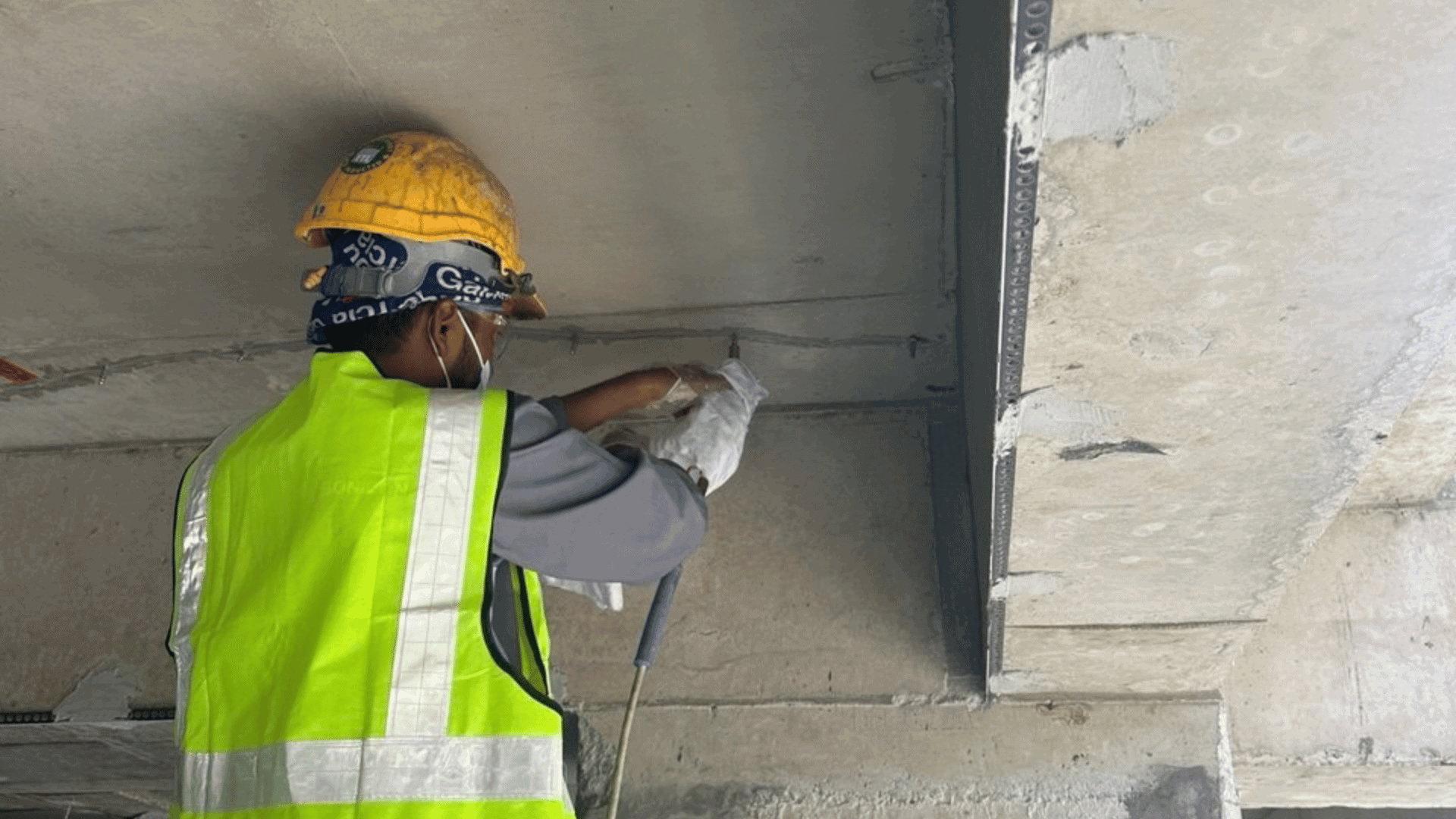
Using an injection pump, low-viscosity epoxy resin is injected through the packers.
The epoxy gradually fills the crack from the lowest point upward, ensuring that:
- Air is displaced
- Voids are filled
- The crack is completely saturated
This stage is critical in injecting epoxy into concrete, as incomplete filling may lead to ineffective repair.
The pressure used during injection must be carefully controlled to avoid widening the crack or damaging the surrounding concrete.
5. Epoxy Curing
Once the crack has been fully filled, the epoxy is left to cure for more than 24 hours.
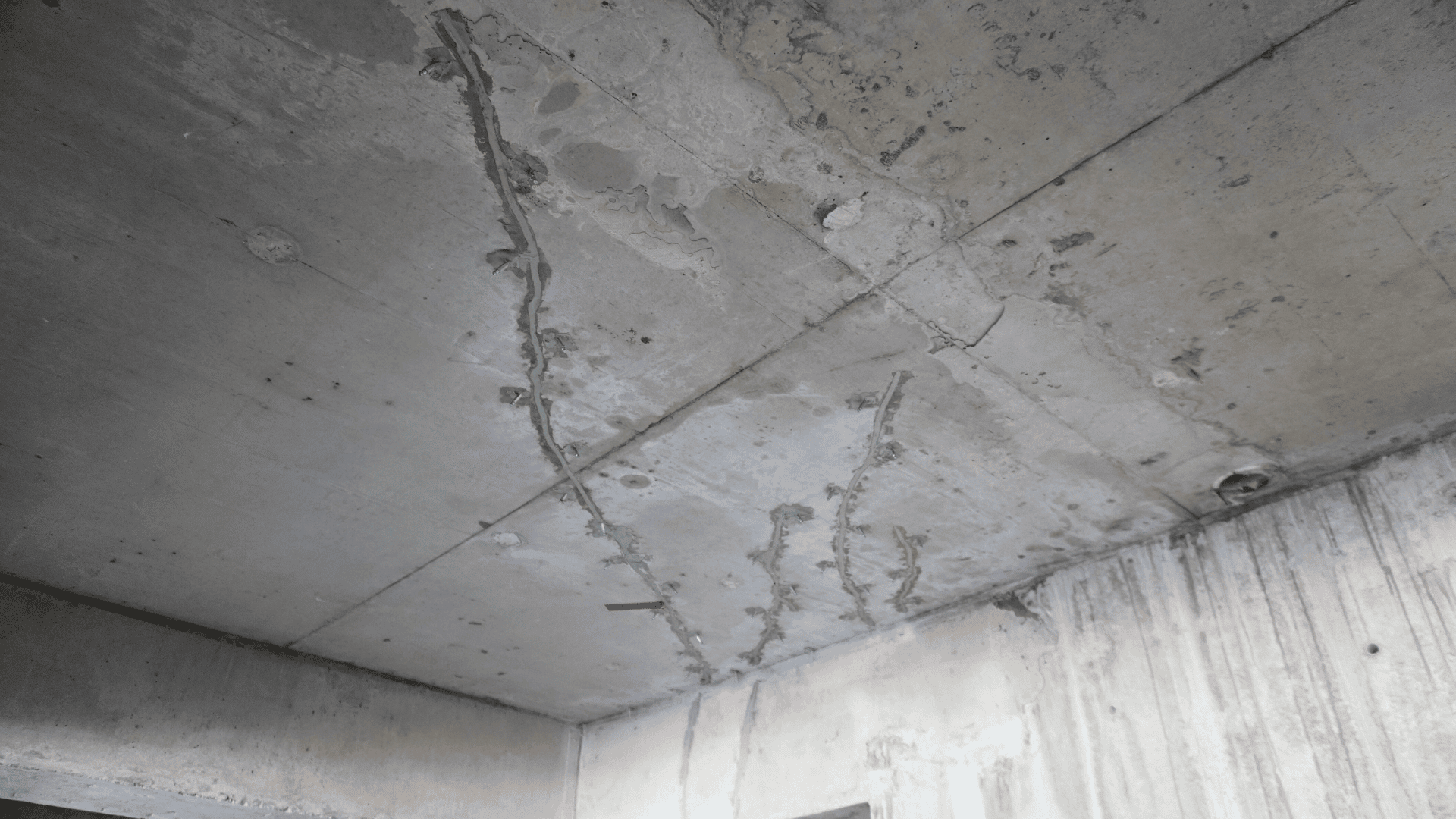
During curing, the epoxy forms a rigid bond that restores the structural continuity of the concrete element. After curing, packers are removed and the surface is ground flush if necessary.
The repaired member can then continue to perform as part of the reinforced concrete slab, beam, or column system.
Benefits of Epoxy Crack Injection
Epoxy injection offers several advantages in reinforced concrete repair and structural strengthening projects.
- Restores Structural Strength
- Minimal Structural Disruption
- Cost-Effective Repair
- Compatible with Other Strengthening Methods
Epoxy crack injection remains one of the most effective techniques for reinforced concrete repair and structural damage repair. By restoring structural continuity and bonding cracked concrete elements, the method helps maintain the structural integrity of beams, slabs, columns, and foundations.
When properly executed and combined with appropriate structural reinforcement or strengthening of existing structures, epoxy injection can significantly extend the service life of concrete infrastructure.
In modern structural retrofitting and concrete restoration projects, epoxy crack injection continues to play a critical role in ensuring that repairs are durable, efficient, and structurally reliable.