Structural repair is often seen as a straightforward process. You just need to identify the damage and fix it.
In reality, a successful repair is achieved through a proper process, long before any material is applied. Without proper evaluation and planning, even well-executed repair work can fail prematurely.
1. Assess the Defect
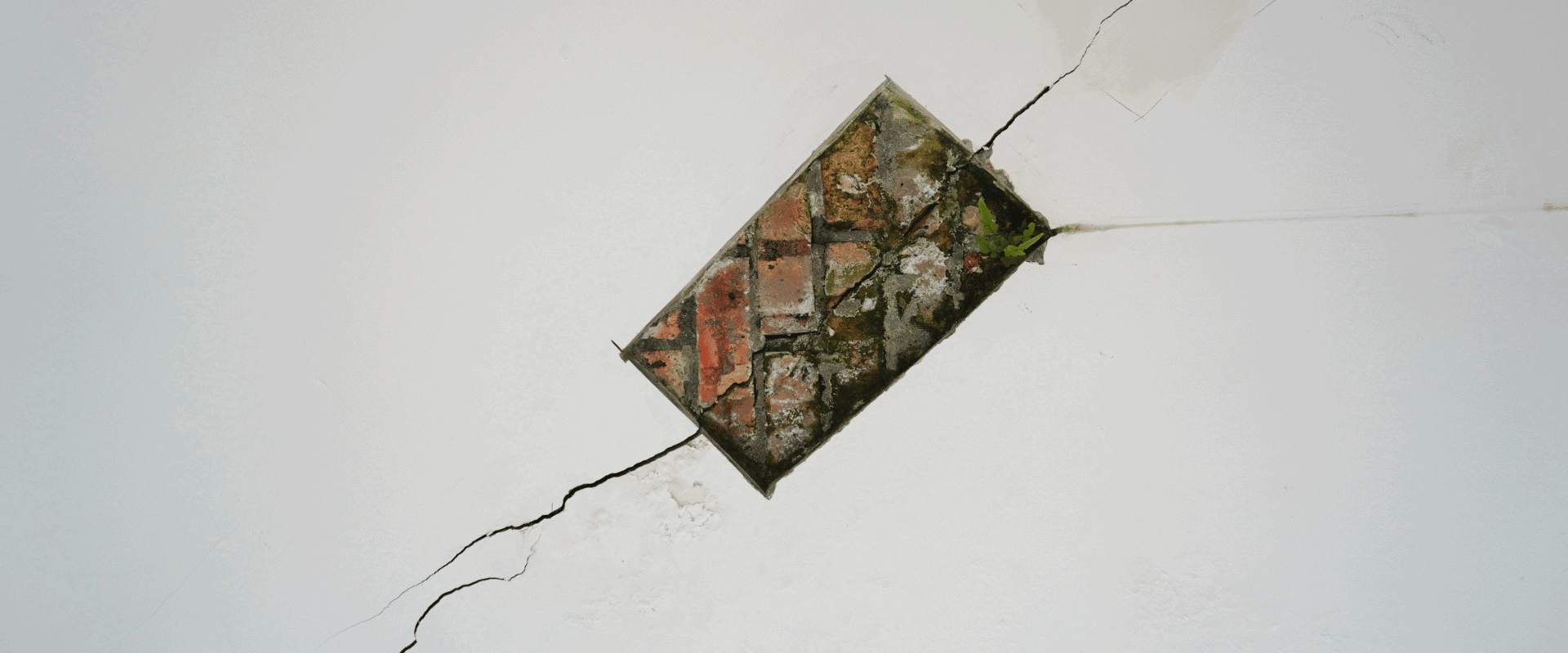
Not every crack, spall, or surface imperfection requires immediate repair or strengthening. Some defects are cosmetic, while others may indicate deeper structural concerns such as reinforcement corrosion, load redistribution, or ongoing settlement.
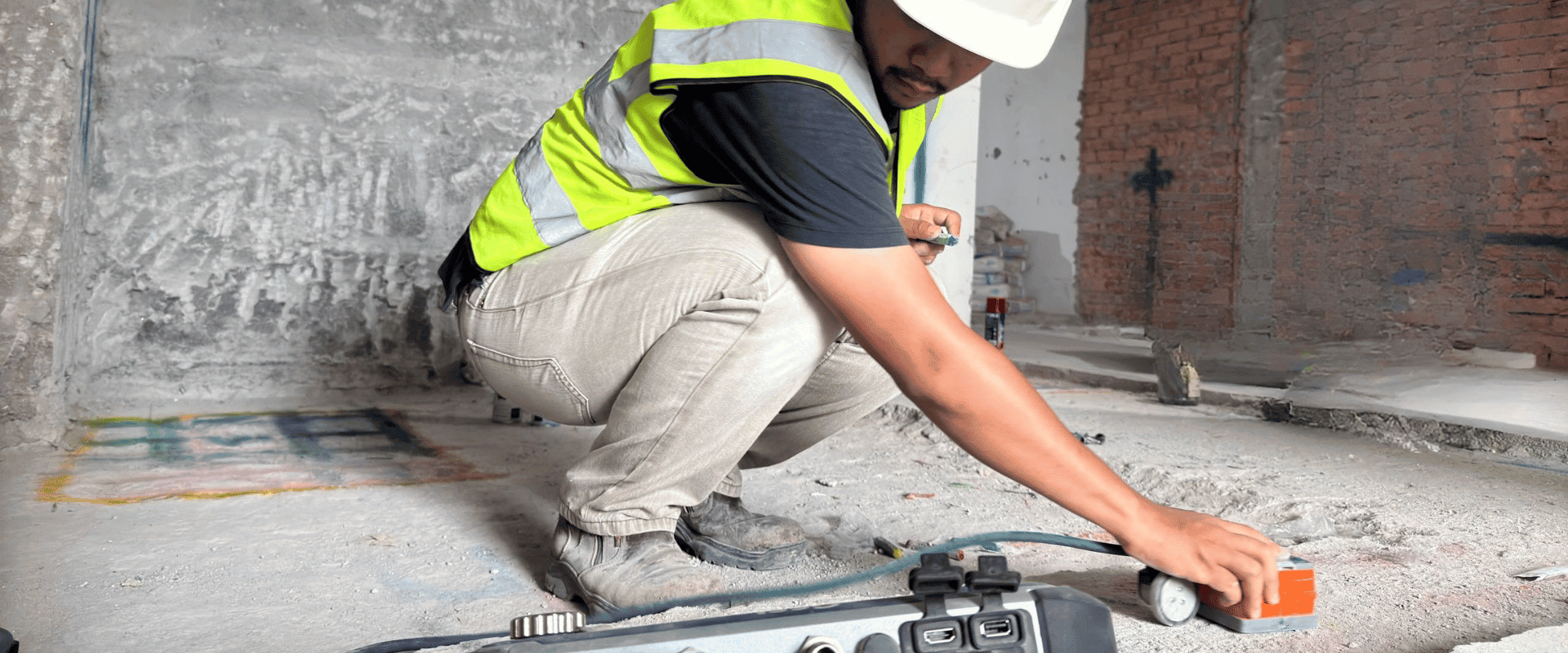
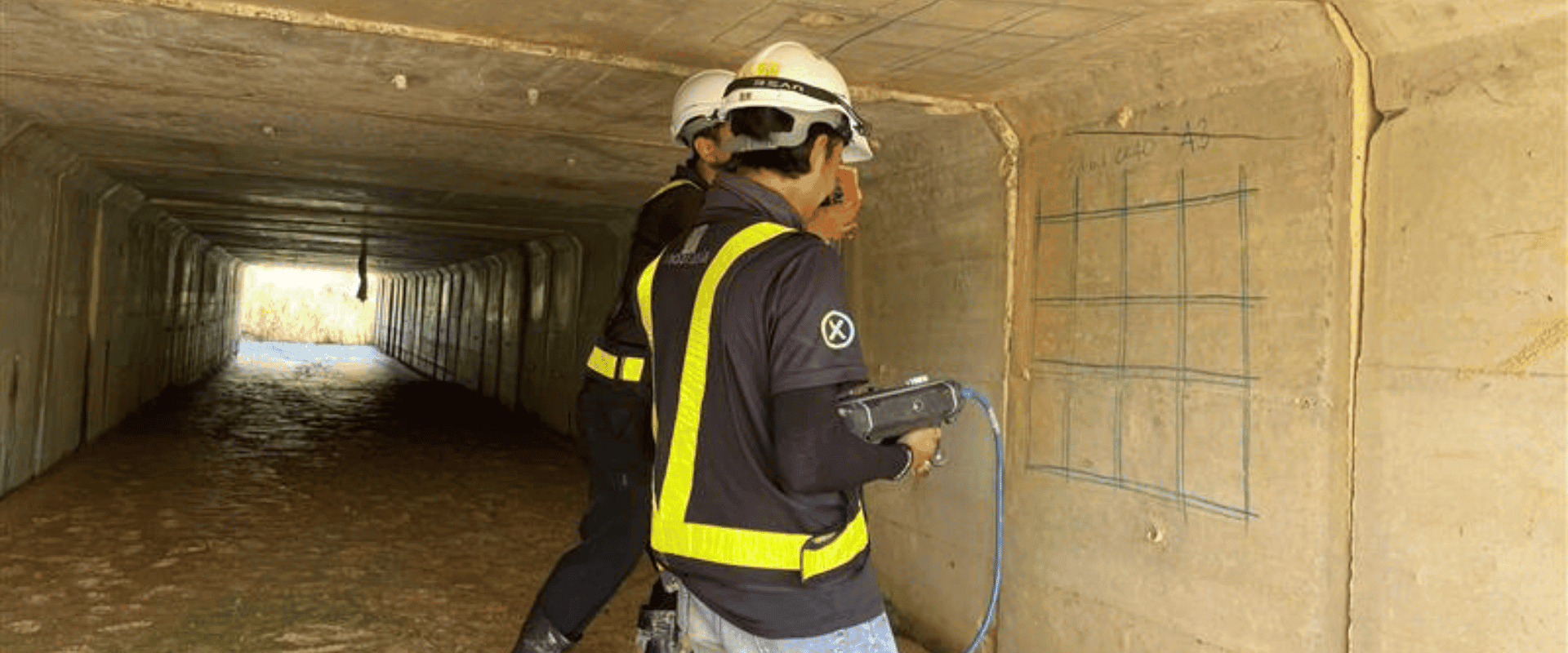
Understanding the severity of the damage, determining whether it is active or dormant, and identifying any hidden deterioration beneath the surface can all be detected with Non-destructive Concrete Scanning Technology. This allows engineers to distinguish between minor issues and structural risks.



2. Consider Available Options
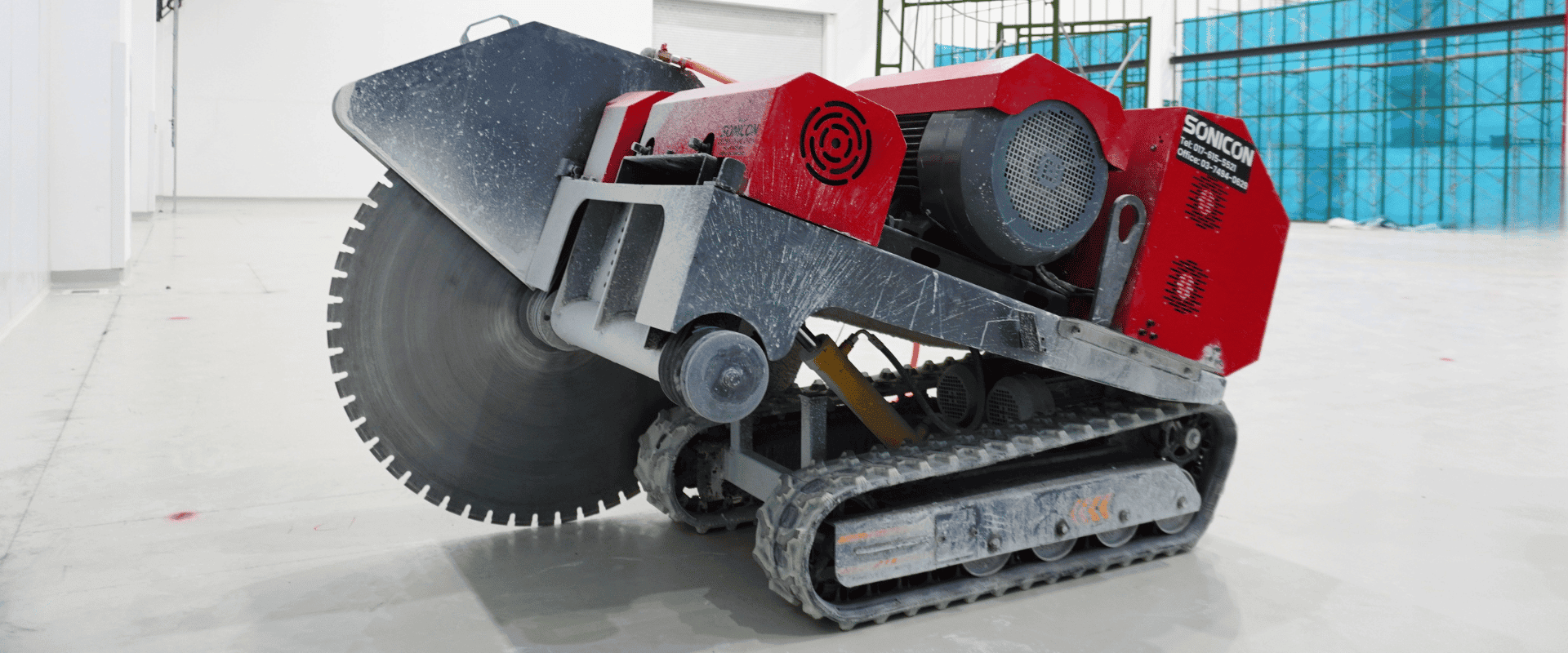
In some cases, the most appropriate decision may be to monitor the defect over time, especially if it is minor and stable. In other situations, targeted repair may be sufficient to restore durability. Where structural capacity has been compromised, structural strengthening may be necessary. In severe cases involving extensive deterioration, partial or full demolition may be the safest course of action. The objective is always to respond proportionately.
3. Select Repairing Method
The choice depends on several factors, including:
- Existing structural strength
- Load transfer behaviour
- Depth and extent of damage
- Accessibility and working environment
- Whether the structure is live and operational
A heavily loaded beam may require strengthening, while shallow surface damage may only need patch repair. The repair method must address the root cause and restore performance.
4. Choose the Material
Before selecting the material for the repair work, there are a few things to put into consideration, such as compatibility with the existing structure, required strength, bonding capability, thickness requirements, and long-term durability must all be considered. If the chosen material is unsuitable, it would waste the time, effort and cost spent on the repairing and lead to recurring failure.
5. Structural Repair Execution
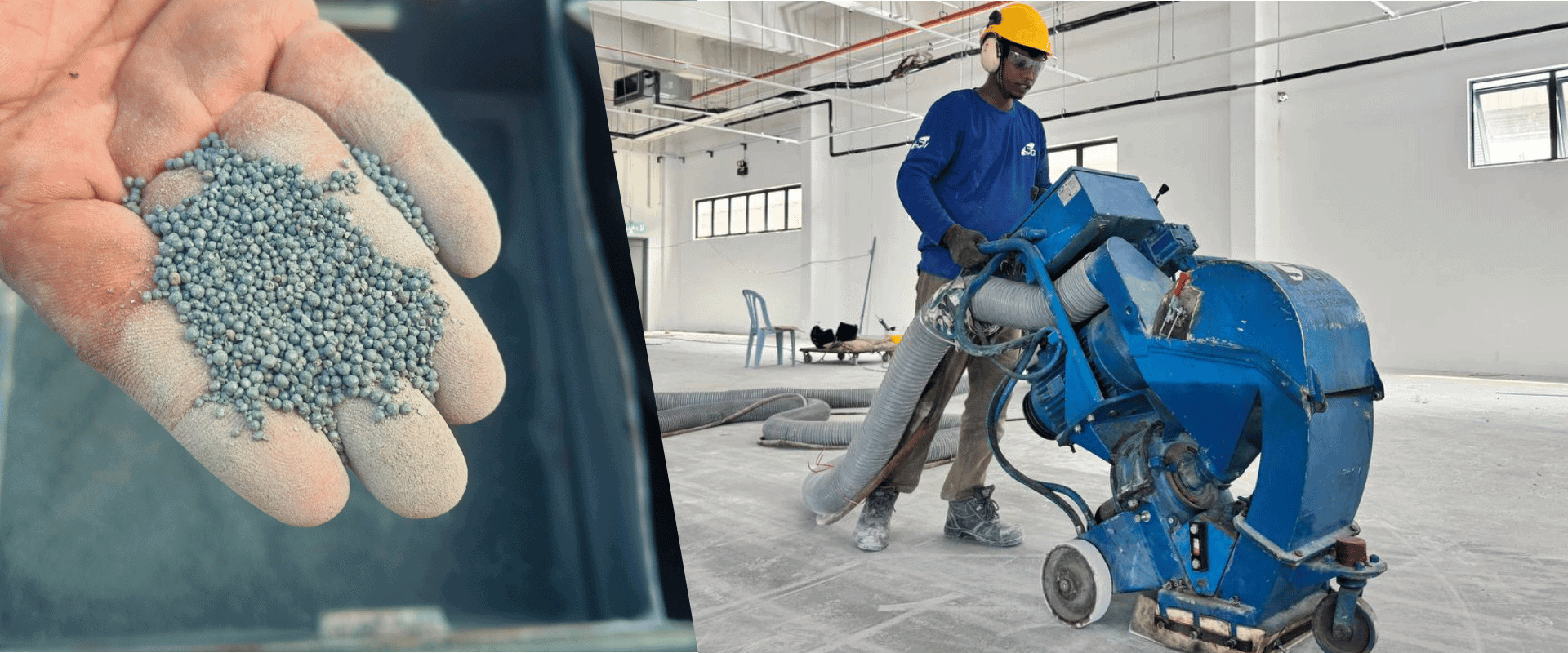
Finally, execution determines success. Proper surface preparation, removal of damaged concrete, cleaning the reinforcement, and strict quality control during application ensure that the repair achieves its intended lifespan. Without adequate preparation and supervision, even the best-designed repair strategy can fall short.
Structural repair is a systematic engineering process that begins with understanding the structure itself. By assessing carefully, choosing wisely, and executing precisely, repairs can extend service life, restore safety, and prevent recurring problems.