Safety on a construction site is more than wearing a protective headgear. It is a discipline that begins long before any machine is switched on and extends well beyond the final cut. In specialised concrete works, where the margin for error is narrow and the consequences of mistakes are significant, safety is a core value that consequents with safety management behaviours.
Safety as a Factor in Planning Stages
For any type of project, site safety planning begins before the start of any work. Before any work commences, a Method Statement must be prepared. It is a detailed document outlining how each task will be executed, the sequence of operations, the machine to be used, and the risk controls in place. Method Statement is the blueprint that guides every decision made on site.
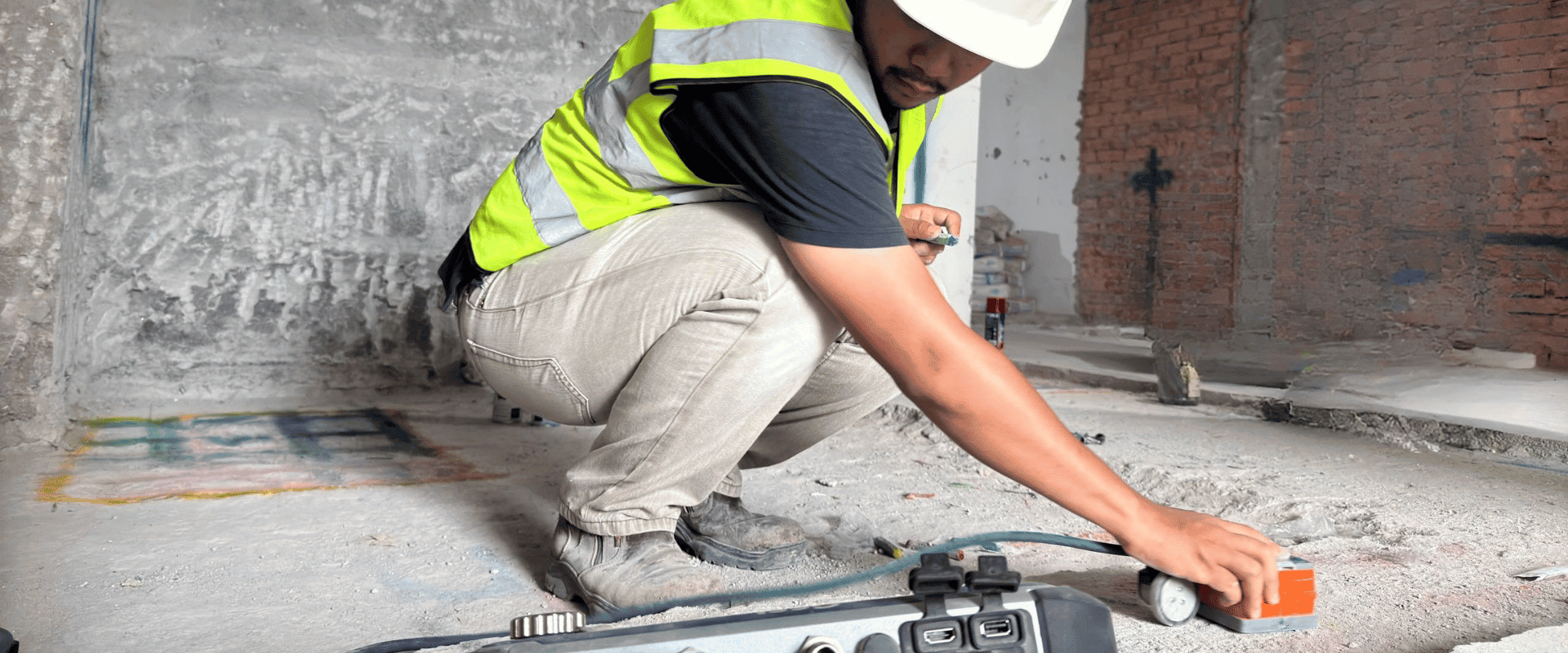
Equally important is a thorough site assessment. Factors below directly shapes how a job is planned and executed. Technologies like ground-penetrating radar (GPR) scanning are used precisely for this reason: to eliminate unknowns before work begins.
- Understanding the structural condition of the concrete
- The presence of embedded utilities
- The proximity of active areas
- Markings before any cutting or demolition work
The Right Method for the Right Job
One of the most overlooked aspects of construction site safety is method selection. Using the wrong technique would risks the structure and the people inside it. For example, conventional hacking in a space with vibration-sensitive structures nearby would be dangerous.
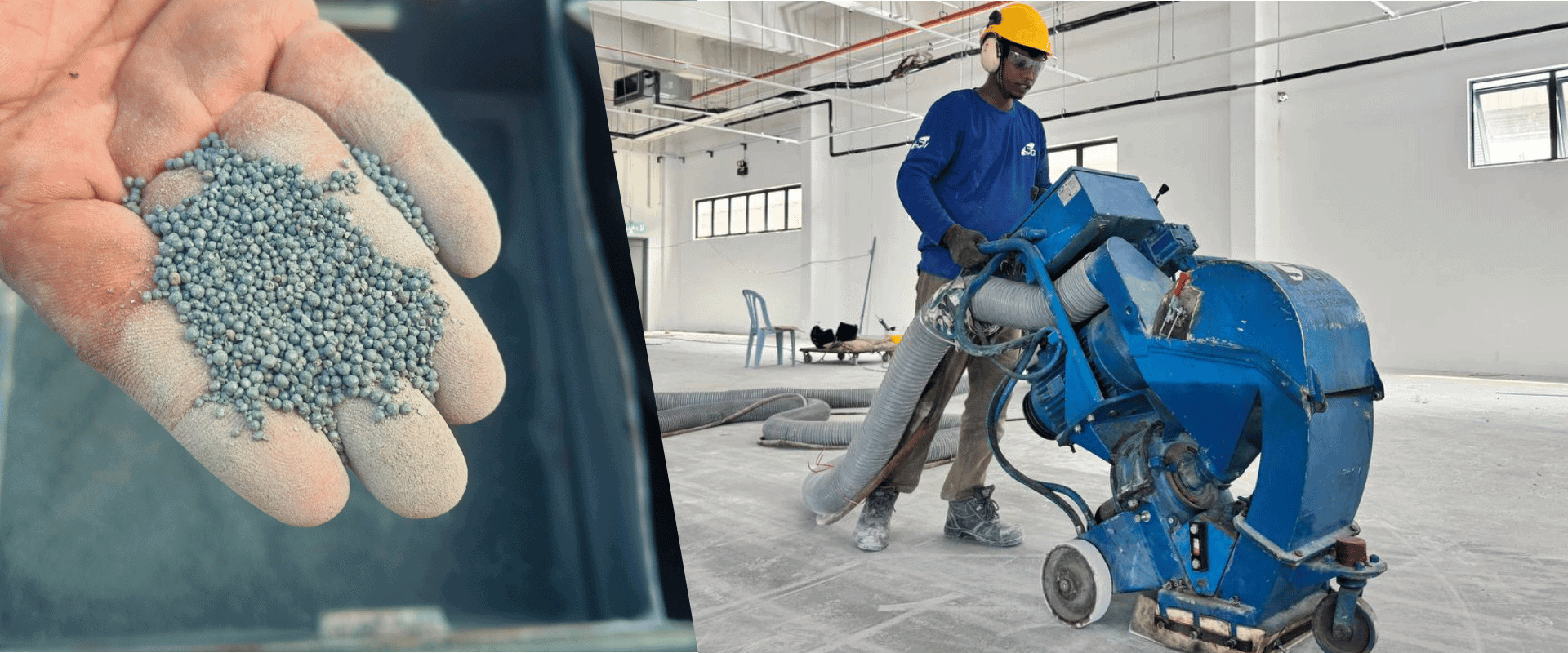
Specialised methods such as diamond wire sawing, robotic demolition, and hydro demolition exist not only for their precision and efficiency, but because they significantly reduce risk. For instance, our previous project that involved maintenance work in a hazardous kiln was successfully completed by our operators with remote controlled robotic demolition for maintenance work. The method chosen completely removes the operator from the toxic environment entirely which was a decision made for safety management.
However, matching the method to the site condition is not a decision through the availability of machine and equipment, it requires experience and technical knowledge.


Communication as a Safety Tool
On any active site, communication is a critical safety mechanism.
- Progress updates
- Shift handovers
- Machines, tools and equipment maintenance updates
- Real-time reporting
All of the above ensures that everyone is aware of what is happening and what comes next. When an unexpected condition is encountered, the ability to pause, assess, and escalate to the right person quickly can prevent a minor complication from becoming a serious incident.
A contractor who can communicate clearly and confidently is one who takes the work seriously. Safety on a construction site is a shared responsibility and it involves everyone.