In construction, innovation doesn’t just come from technology, it’s driven by the people behind the tools. With increasingly complex project demands, workforce capabilities are becoming just as important as the equipment used on-site.
The construction industry in Malaysia continues to rely heavily on foreign labour. As of September 2024, there were over 2.4 million foreign workers in the country, many of whom are employed in construction. While this workforce has supported national development for decades, there’s a growing awareness of the need to cultivate skilled local talent for long-term sustainability and industry resilience.
A Practical Need for Upskilling
Modern construction demands more than manual labour. It requires trained personnel capable of operating advanced tools and machines, executing precision work, and understanding structural dynamics. For example:
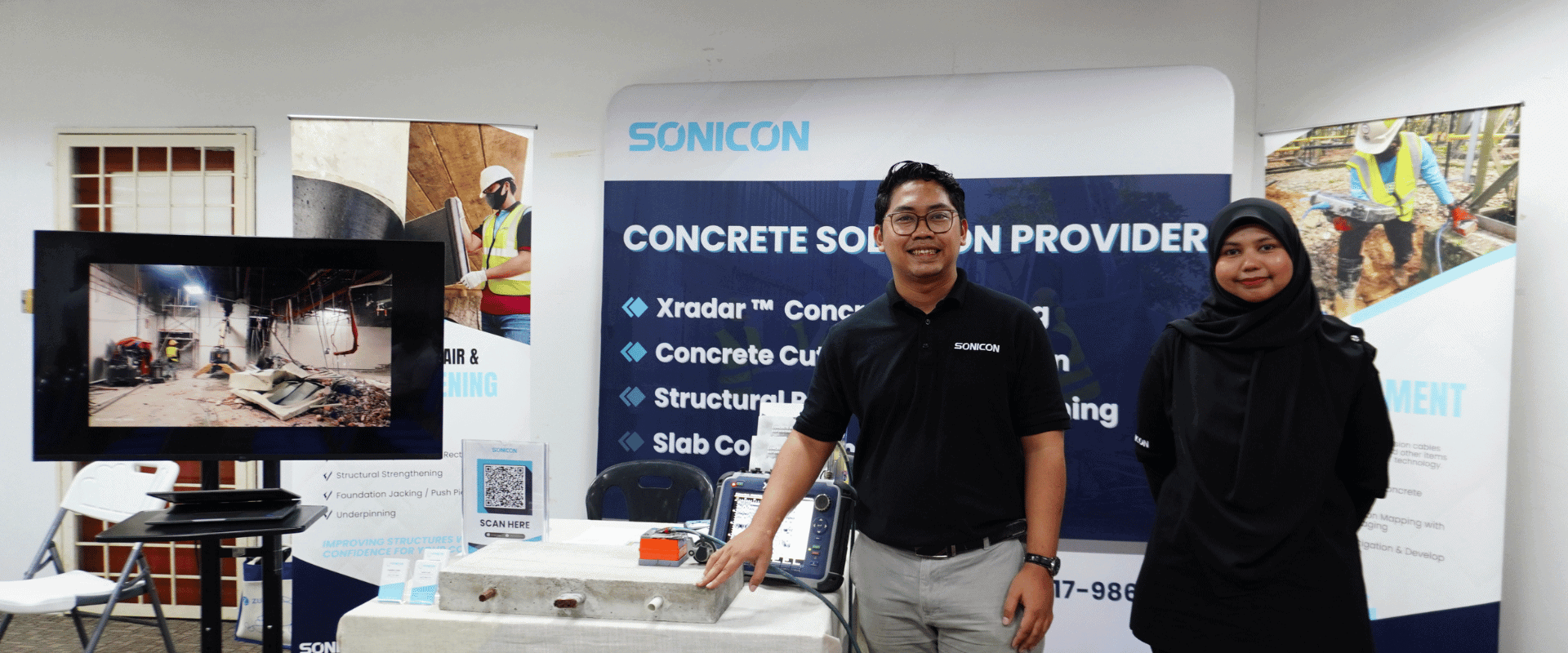
- Concrete scanning technologies such as Xradar™ require technical expertise to interpret subsurface data accurately.
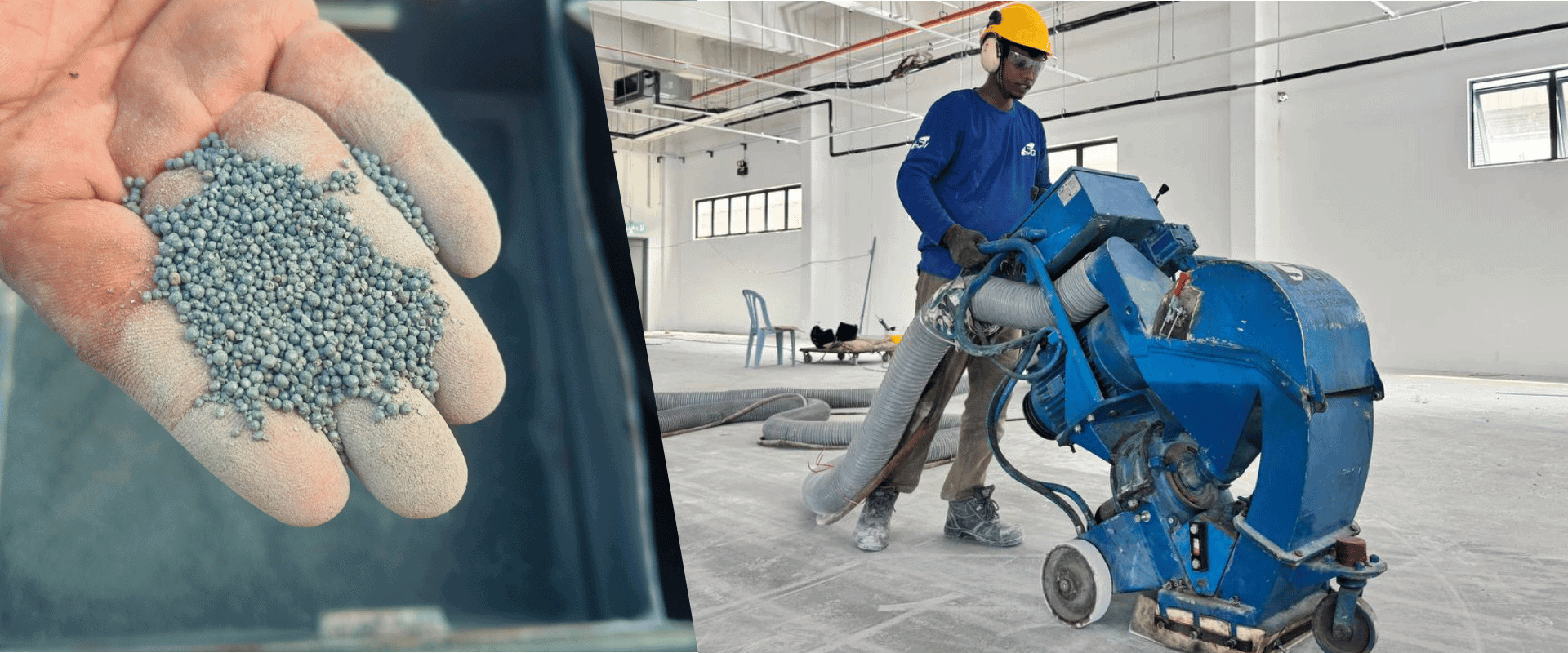
- Surface preparation methods like parana milling, or captive blasting involves more process knowledge, material understanding, and safety compliance.
We should no longer look at these as niche services, they’re part of a growing set of industry expectations. As such, the ability to deliver these services well depends directly on a workforce that is continuously learning and adapting.


Shaping the Future of Commercial Construction
Building a stronger local talent pool is critical for the future of Malaysia’s construction industry. While widespread efforts across the sector are still limited, some players have started to lead by example.
This approach reflects a broader vision: that upskilling local workers is not only practical but essential for long-term sustainability. We should recognise the value of investing in homegrown talent and not just to meet today’s project demands, but to build resilience for the future. It’s a direction that both SMEs and larger companies across the industry can benefit from adopting.
Beyond reducing dependency on foreign labour, upskilling the local workforce contributes to project efficiency, strengthens jobsite safety, and enhances communication across teams. It also aligns with national goals to create higher-value employment opportunities for Malaysians.


Developing Future-Ready Teams
Training in construction is not a one-time exercise. With emerging technologies, stricter standards, and greater expectations for sustainability and speed, continuous development is key. Practical mentorship, on-site learning, and structured technical workshops all play a role in ensuring teams are ready to handle both current and future challenges.
Ultimately, the foundation of innovation in construction rests on its people. Not just machines: Skilled professionals are the driving force behind faster project turnaround, cleaner finishes, safer practices, and smarter planning.
As the industry continues to evolve, so must its workforce. Upskilling is no longer optional; it’s essential for delivering consistent, quality outcomes in today’s built environment.