Across Malaysia, flash floods are becoming more frequent, overwhelming drainage systems and saturating the ground beneath our homes. What used to be considered “once-in-a-decade” event is now an annual occurrence.
But while most attention goes to damaged cars and flooded interiors, a more serious and long-term consequence often goes unnoticed:
Floods can even cause houses to sink.
The Rising Trend
Recent findings from local research bodies and national news highlight a troubling pattern, highlighting that flood is no longer just a surface-level issue, it is a subsurface threat that affects long-term property stability.
- Urban flash floods in KL and Selangor have increased due to overdevelopment and extreme rainfall.
- Groundwater levels fluctuate sharply during heavy storms, weakening soil structure.
- Residential areas built on soft soil or reclaimed land face higher settlement risks after flooding events.
How Flooding Leads to Foundation Settlement
When heavy rainfall and flash floods occur, the soil beneath a home undergoes rapid and repeated changes:
- Soil Softening
Floodwater saturates the soil, especially clay and silt layers. When these soils absorb water, they lose strength and compress under the weight of the house, causing gradual sinking.
- Erosion Beneath the Slab
Fast-moving floodwater can wash away fine particles below the foundation. This creates voids, leaving parts of the structure unsupported.
- Uneven Drying After Floods
Once the water recedes, different sections of soil dry at different rates. This leads to differential settlement, where one part of the house sinks faster than others.
- Recurring Flooding Deepens Damage
Each flood weakens the soil further. Over time, even well-built homes begin showing structural distress. This phenomenon is becoming increasingly common as Malaysia experiences more intense rainfall patterns, overloaded drainage systems, rapid urbanisation reducing natural runoff, and climate-driven weather extremes
Warning Signs of Flood-Related Settlement
After a flood or prolonged rainy season, you should watch for symptoms. It often appear weeks or months after a flood, once the soil begins to shift.
- Doors or windows becoming difficult to open
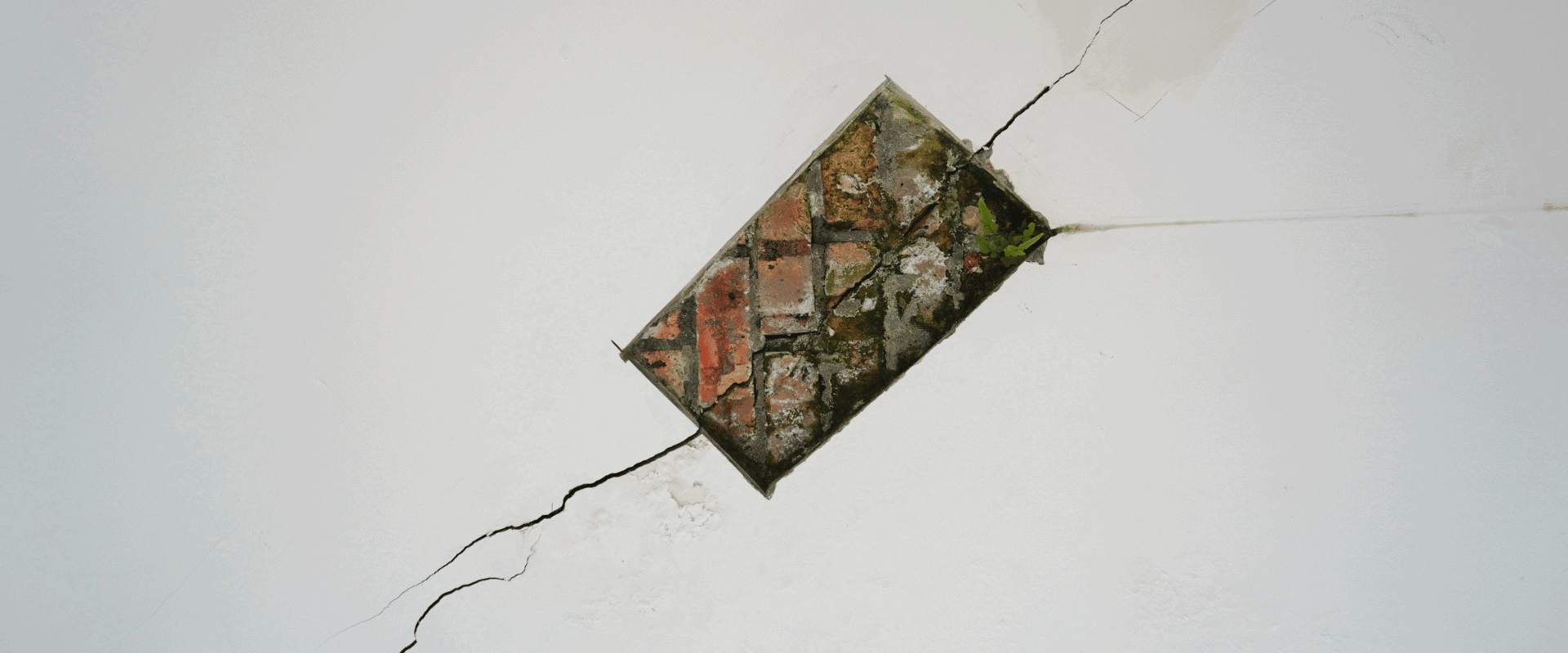
- Cracks on walls or tiles
- Sloping floors or uneven surfaces
- Gaps between walls and ceilings
- Water ponding around the perimeter of the house
Permanent Solutions
There are a number of different methods to repair house sinking, but permanent solutions are the most preferred choice.
- Foundation Jacking (Push Pier System)
- A structural method that lifts and stabilises homes by transferring weight from weak soil to deeper, stronger strata. It is a permanent, non-invasive solution that can help to restore back to its original levels.
- Underpinning
- Strengthens and reinforces existing foundations by preventing further sinking. It also corrects differential settlement, making it safe for occupied homes.
Flood-related settlement does not repair itself. In fact, it accelerates if left untreated. Early intervention prevents costly structural damage, safety hazards, repetitive cracking and sinking. With climate change bringing heavier rains each year, foundation protection is essential.
Related News