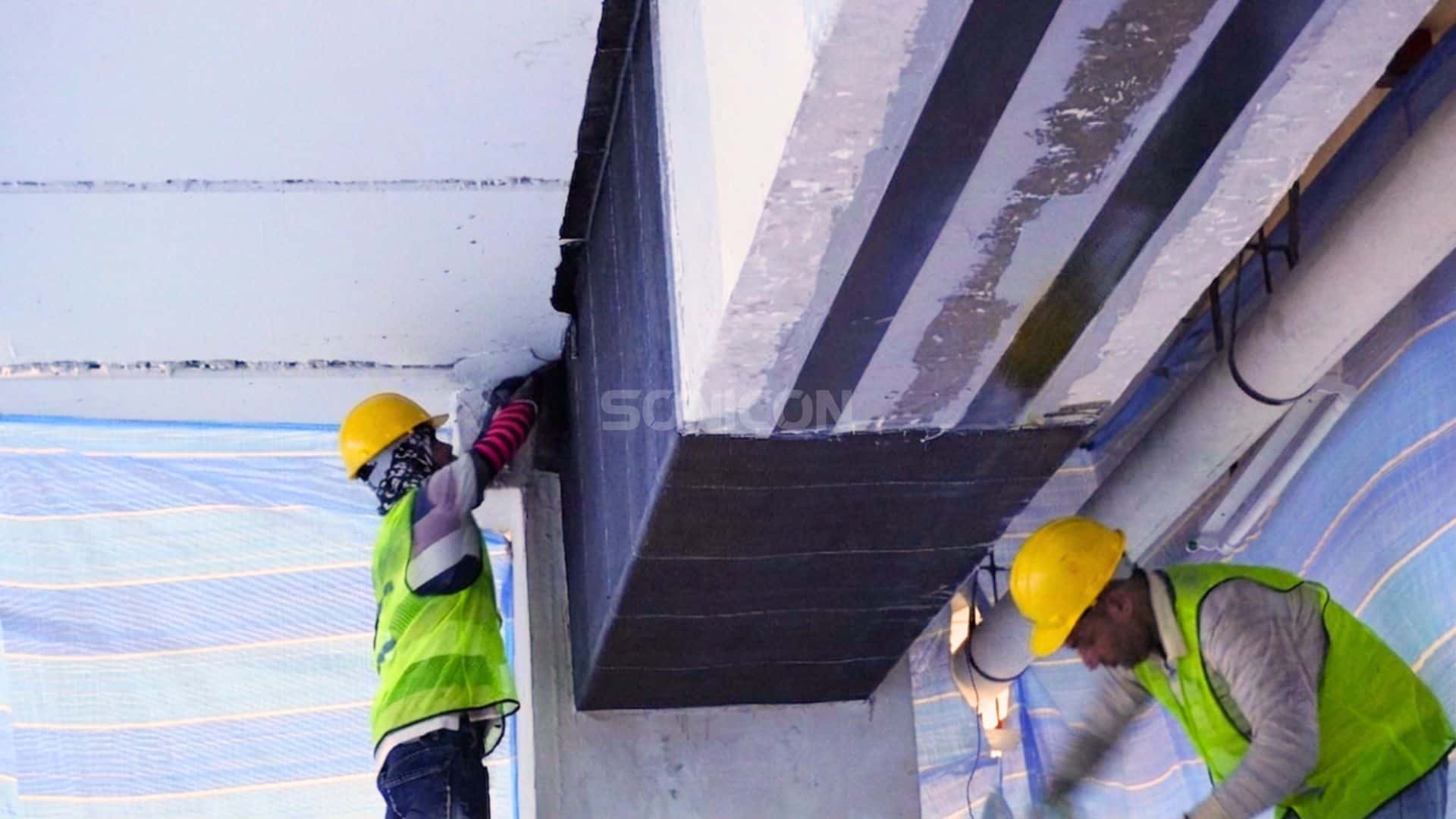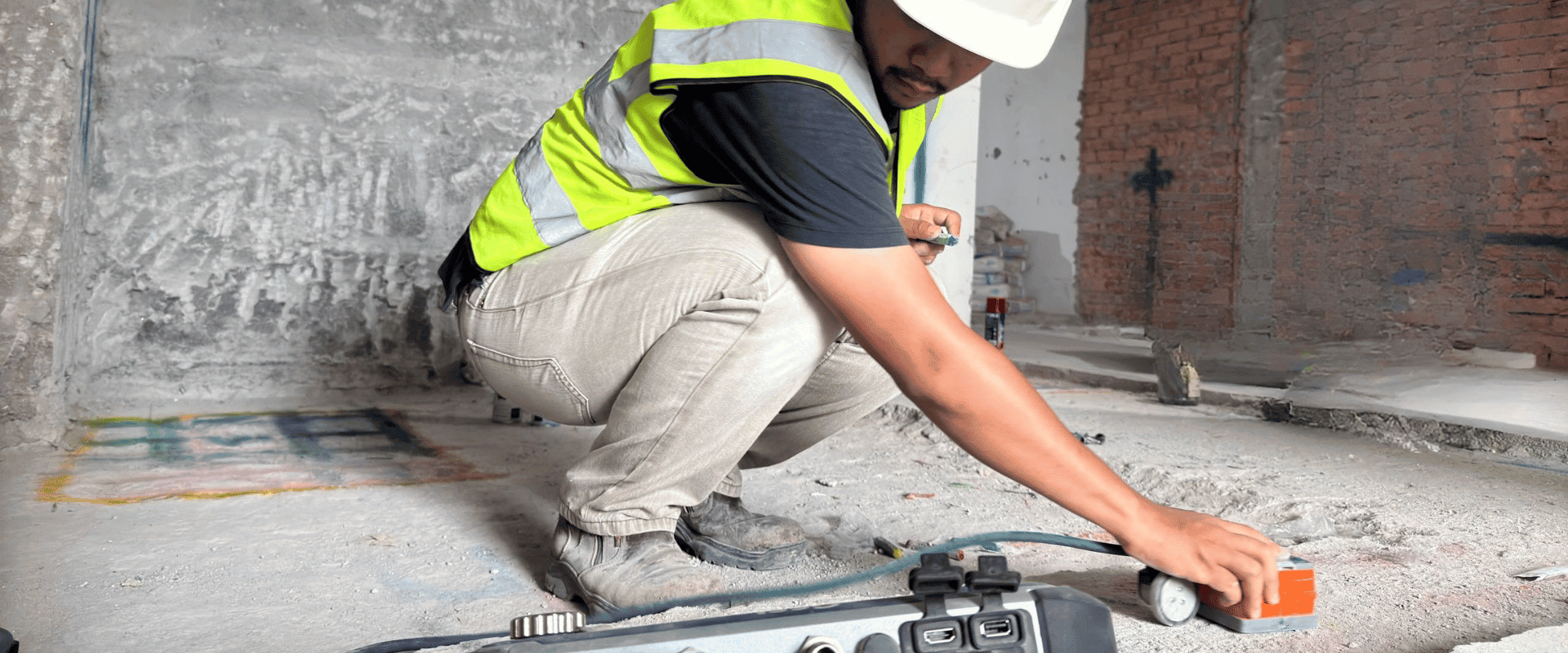
Most structural problems develop slowly, silently, and often in places you rarely look. By the time cracks appear on the surface or concrete begins to fall, the damage has typically been building for years. For building owners and facility managers in Malaysia, where heat, humidity, and ageing infrastructure accelerate deterioration, knowing what signs to lookout for can result to a manageable repair or a costly emergency.
Here are five signs that your building may be overdue for a proper structural assessment.
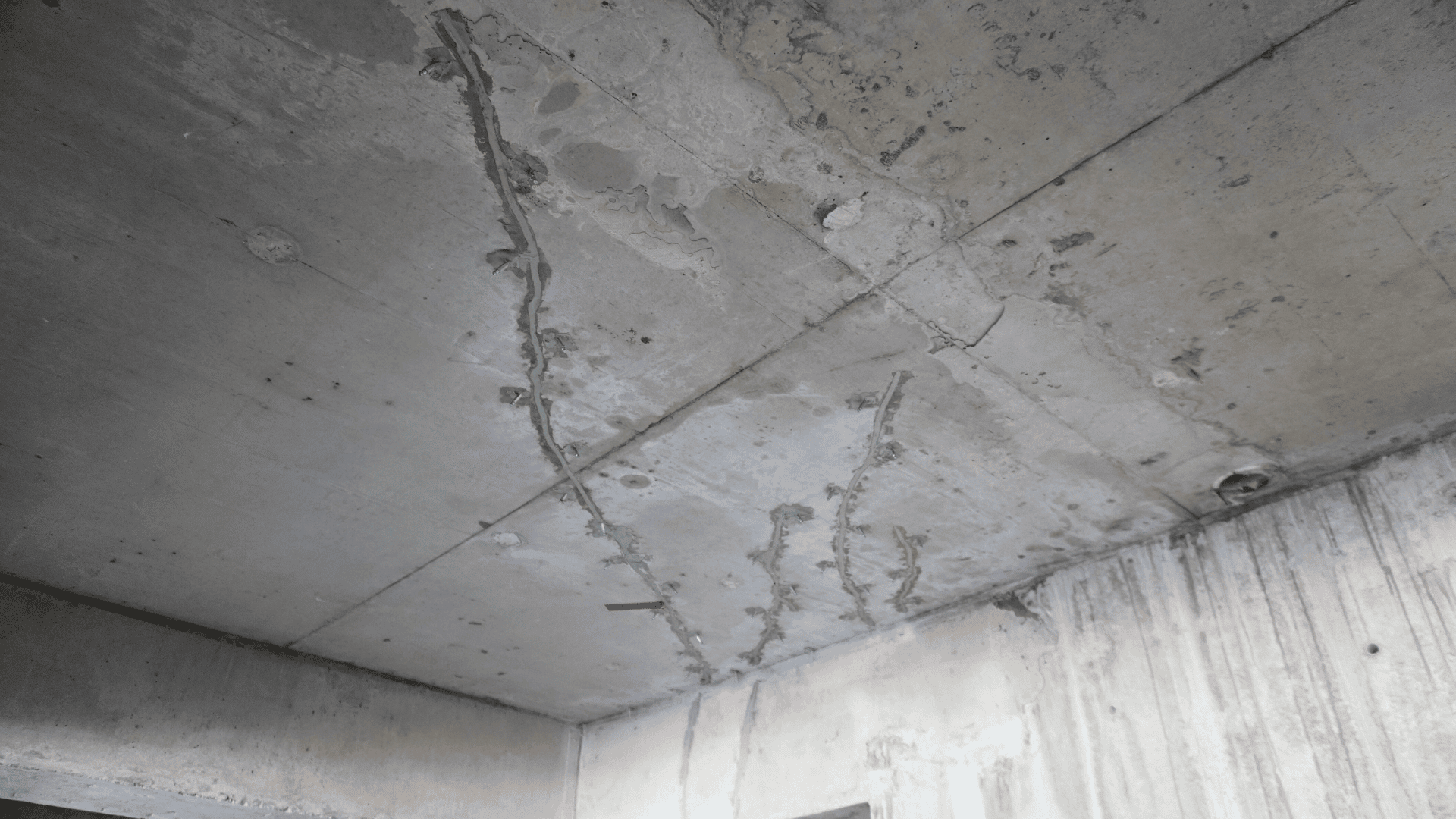
Sign 1: Hairline Cracks That Multiplies
Hairline surface cracks from shrinkage are common and generally harmless. However, these cracks can easily compound across a whole structure. Then, these harmless cracks could evolve into cracks that you should worry about.
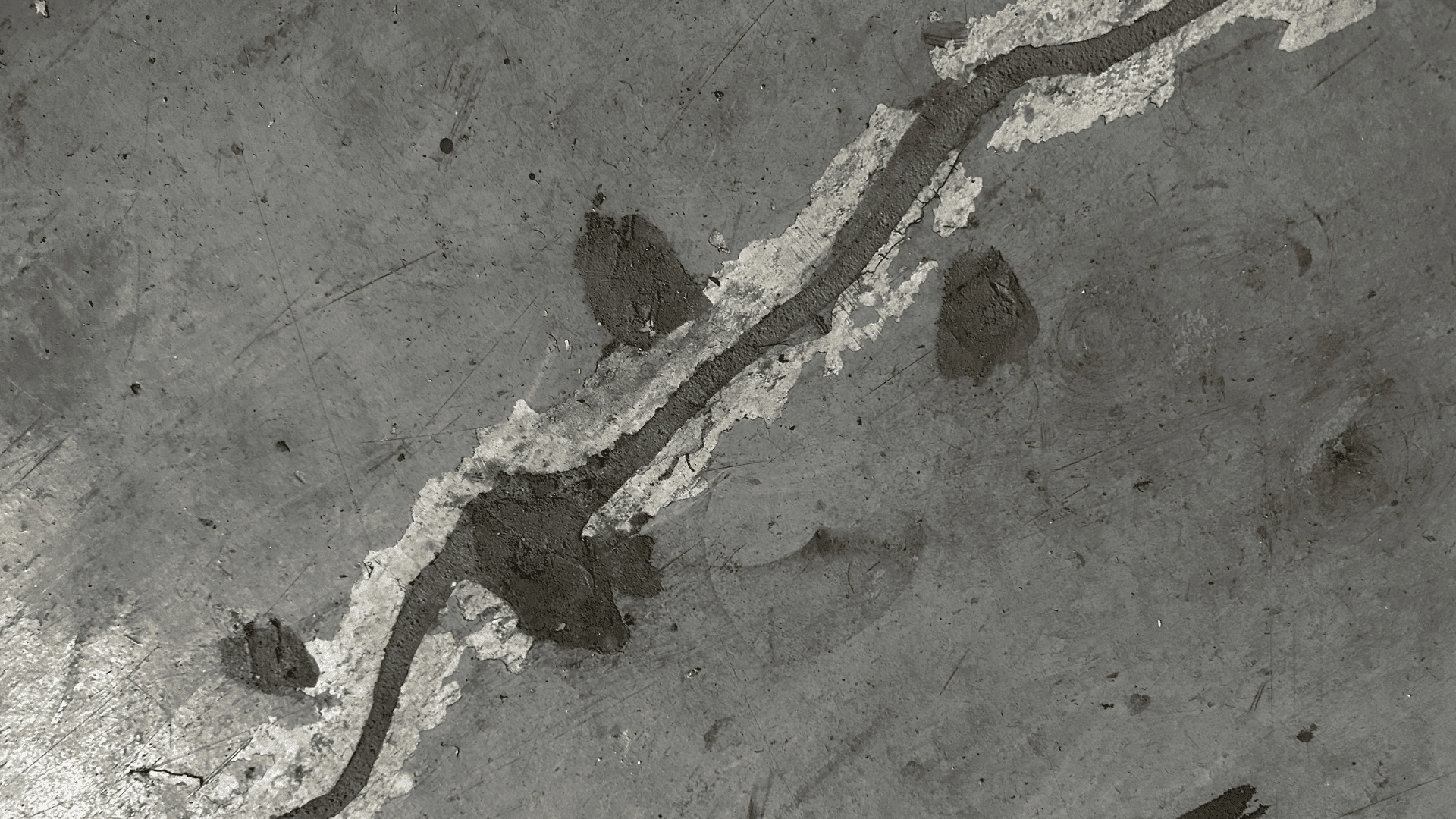
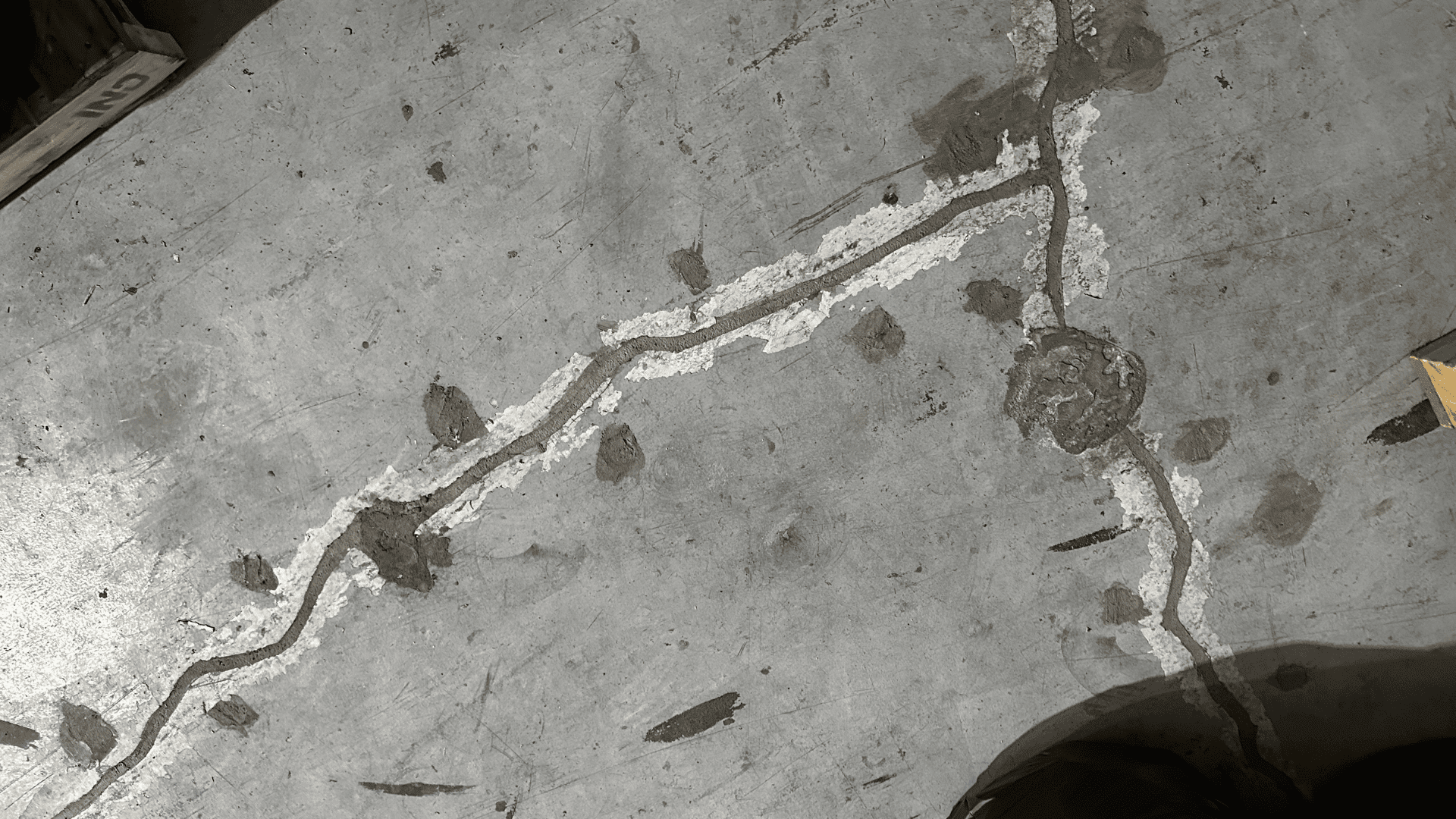
Unfolding, hairline cracks expands into diagonal cracks at corners of openings, step cracks in masonry, and even into wide cracks (greater than 0.3mm) that run through structural members such as beams, columns, or slabs. These can indicate differential settlement, overloading, or loss of structural capacity. Moreover, if a crack has been patched before and keeps returning, it is a sign to inquire for a concrete scanning to assess the root cause of the cracks.
Sign 2: Concrete Spalling and Rust Staining
When chunks of concrete break away from a soffit or column face, revealing rust-stained or corroded rebar, the structure has already moved past early-stage deterioration. Spalling is caused by the volumetric expansion of corroding steel as corroded rebar can expand up to six times its original volume, generating internal tensile stresses that fracture the surrounding concrete from within. In Malaysia’s tropical climate, carbonation and chloride ingress accelerate this process significantly. A visible 30mm spall may conceal metres of corroded reinforcement that a visual inspection alone cannot detect.
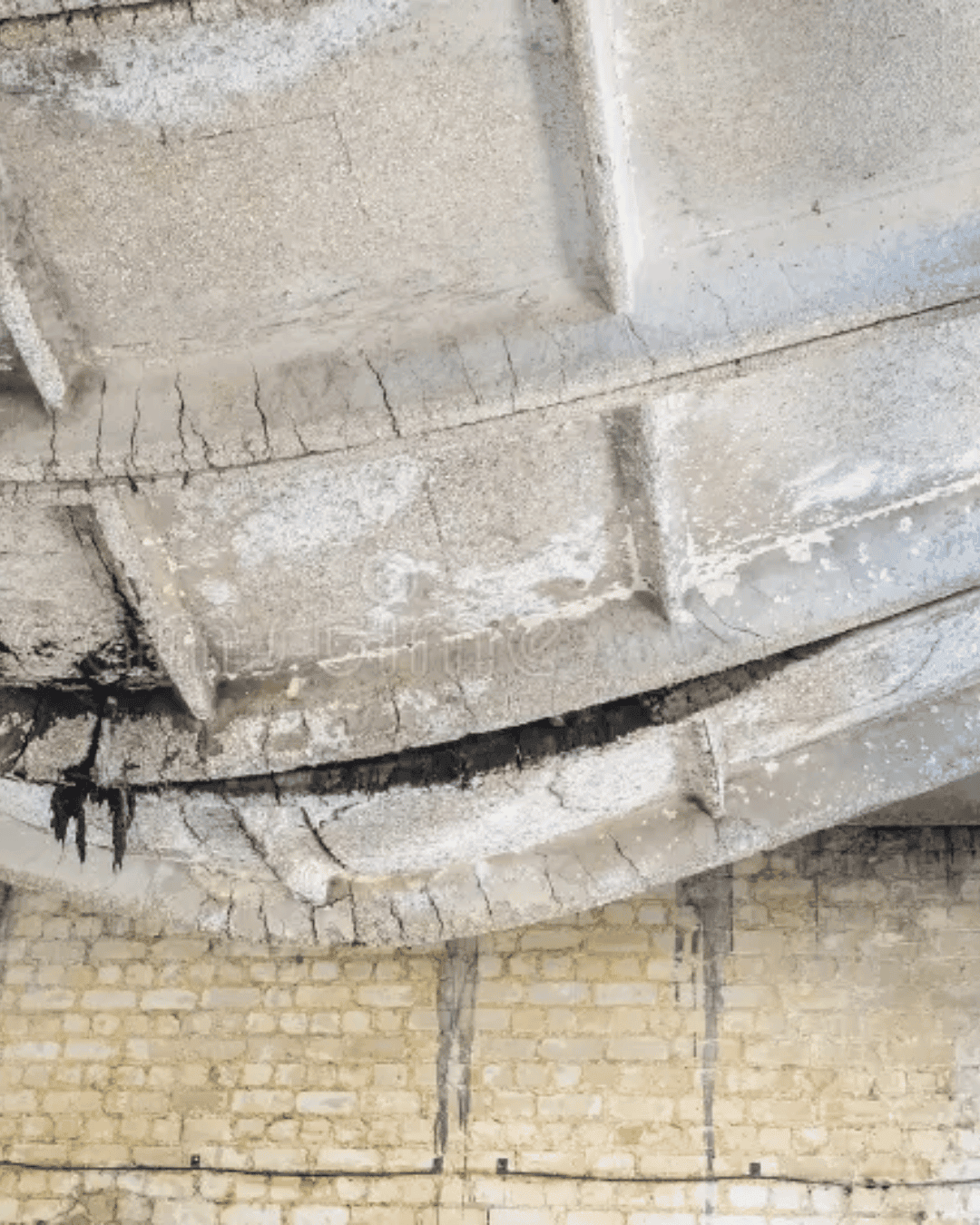
Sign 3: Deflecting Floors or Sagging Beams
Under BS 8110 and Eurocode 2, the allowable long-term deflection for a structural member (A floor that visibly sags or a beam with noticeable mid-span deflection) is typically span/250. Anything beyond this warrants immediate investigation. Floor deflection in Malaysia is often aggravated by creep in post-tensioned slabs, changes in loading beyond the original design intent (such as repurposing warehouse floors for heavier racking), or deterioration of the supporting structure below. If you can feel a floor “bounce” under foot traffic or notice doors and windows that no longer close properly, these may be symptoms of structural movement.


Sign 4: Leaning or Out-of-Plumb Columns
A column that is visibly inclined or has shifted laterally from its original position is one of the more urgent warning signs. Column deviation beyond L/500 (where L is the unsupported height) is considered significant under standard structural codes. This can stem from differential foundation settlement, impact damage, or gradual buckling under sustained overload.
In Malaysia, soft ground conditions in areas such as reclaimed land, former mining land, and coastal zones make foundation movement a real and recurring risk. A leaning column could even redistributes load to adjacent structural members, compounding the problem.
Sign 5: Water Infiltration and Efflorescence
Water is the most persistent enemy of reinforced concrete globally. If you see white chalky deposits (efflorescence) on concrete surfaces, it means water is actively moving through the structure, leaching calcium salts as it goes. Persistent damp patches on soffits, water staining along beam soffits, or ponding on elevated slabs are all indicators of waterproofing breakdown and potential concrete deterioration beneath the surface. Moisture could ingress and drive both carbonation and chloride penetration, the two primary drivers of rebar corrosion in Malaysia’s climate, if it is left oversighted.
Beyond cost, there is the matter of safety and liability. Under Malaysian law, building owners carry a duty of care for the structures they manage. A formal structural assessment creates a documented record of the building’s condition, helps to understand the true condition of a building so that decisions are based on evidence rather than assumption. For older buildings, or those that have undergone changes in use or loading, it is a responsible to execute a structural assessment for the structure’s safety.