Concrete floors are often designed to last decades, but in reality, many fail far earlier than expected. This is usually due to small, untreated defects that gradually escalate into operational and safety problems. Slab correction plays a critical role in breaking this cycle, extending the usable life of concrete floors while avoiding unnecessary demolition or rebuilds.
How Minor Slab Defects Turn into Major Operational Problems
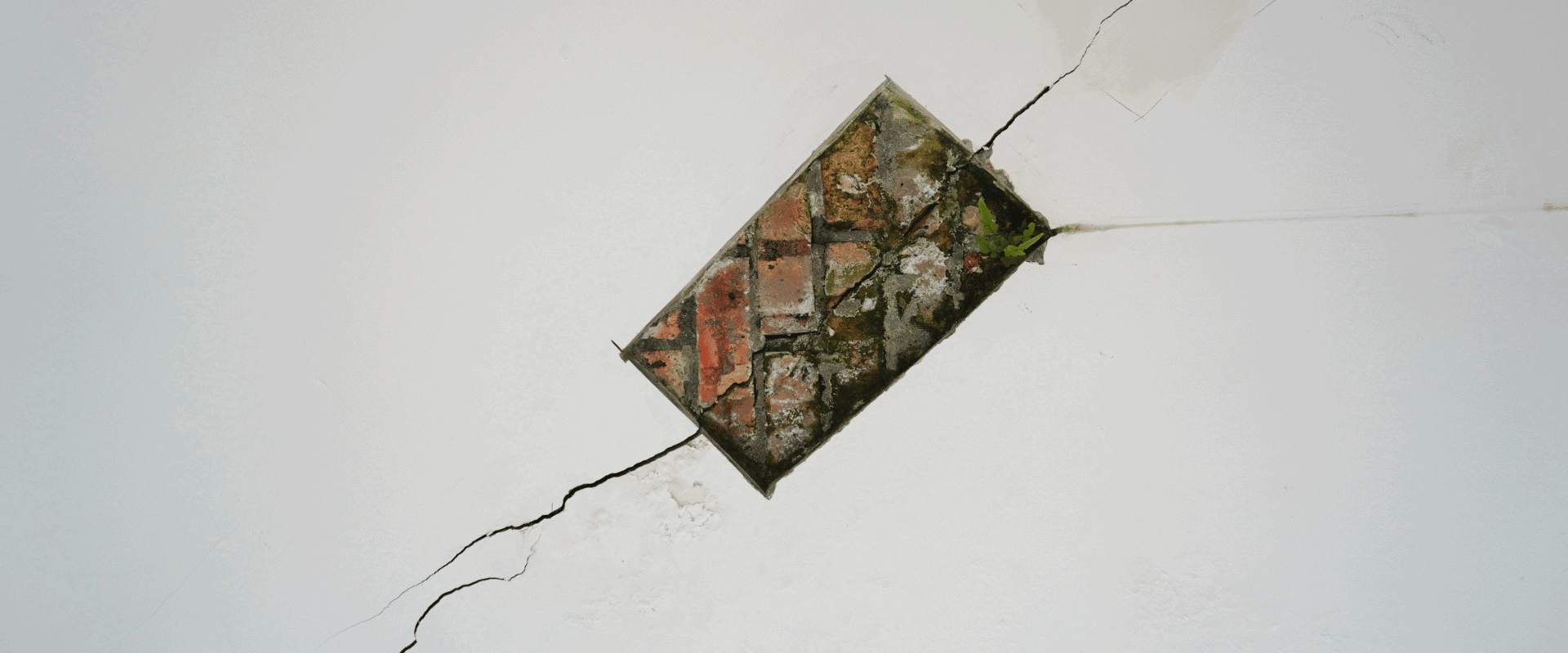
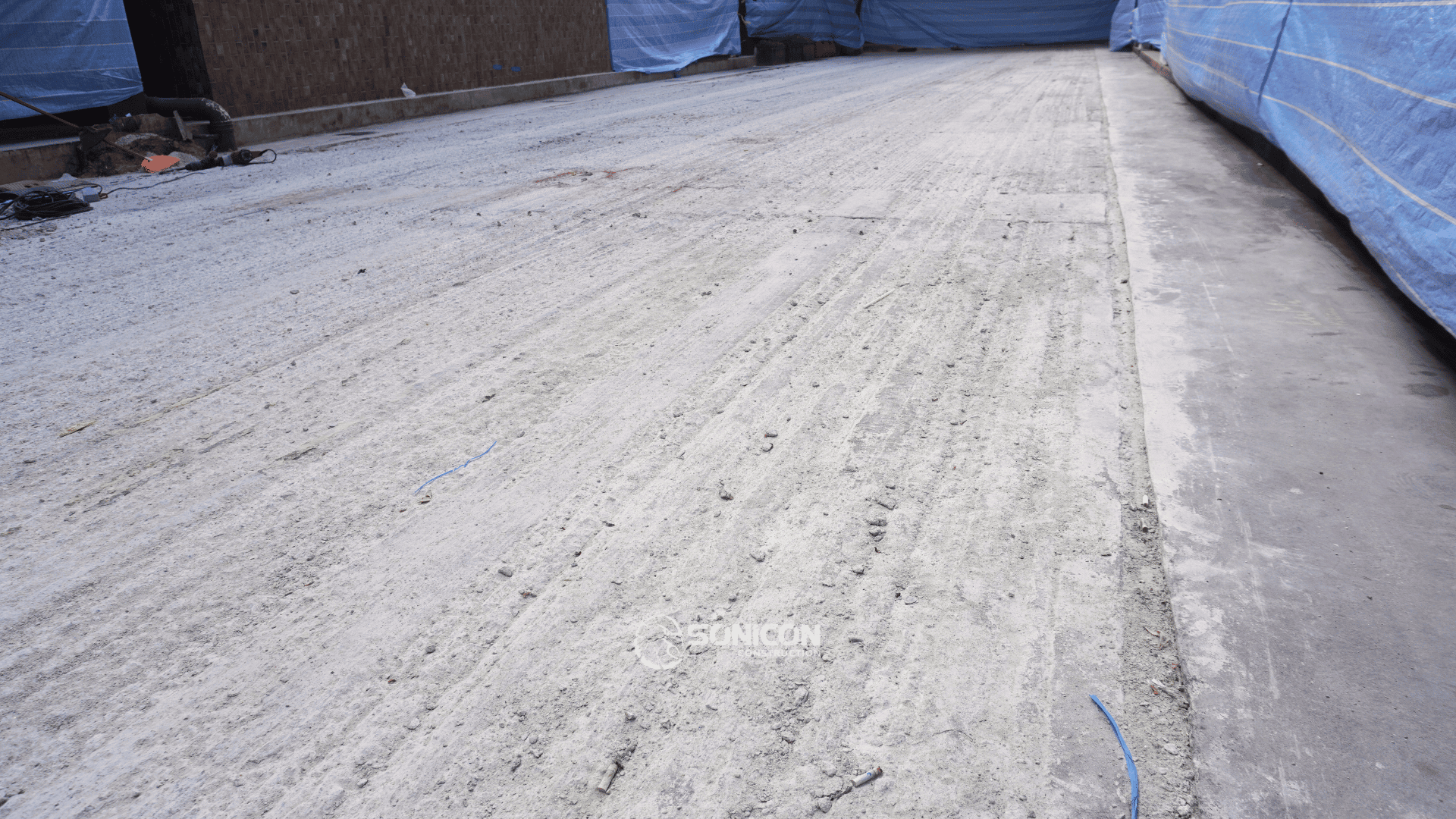
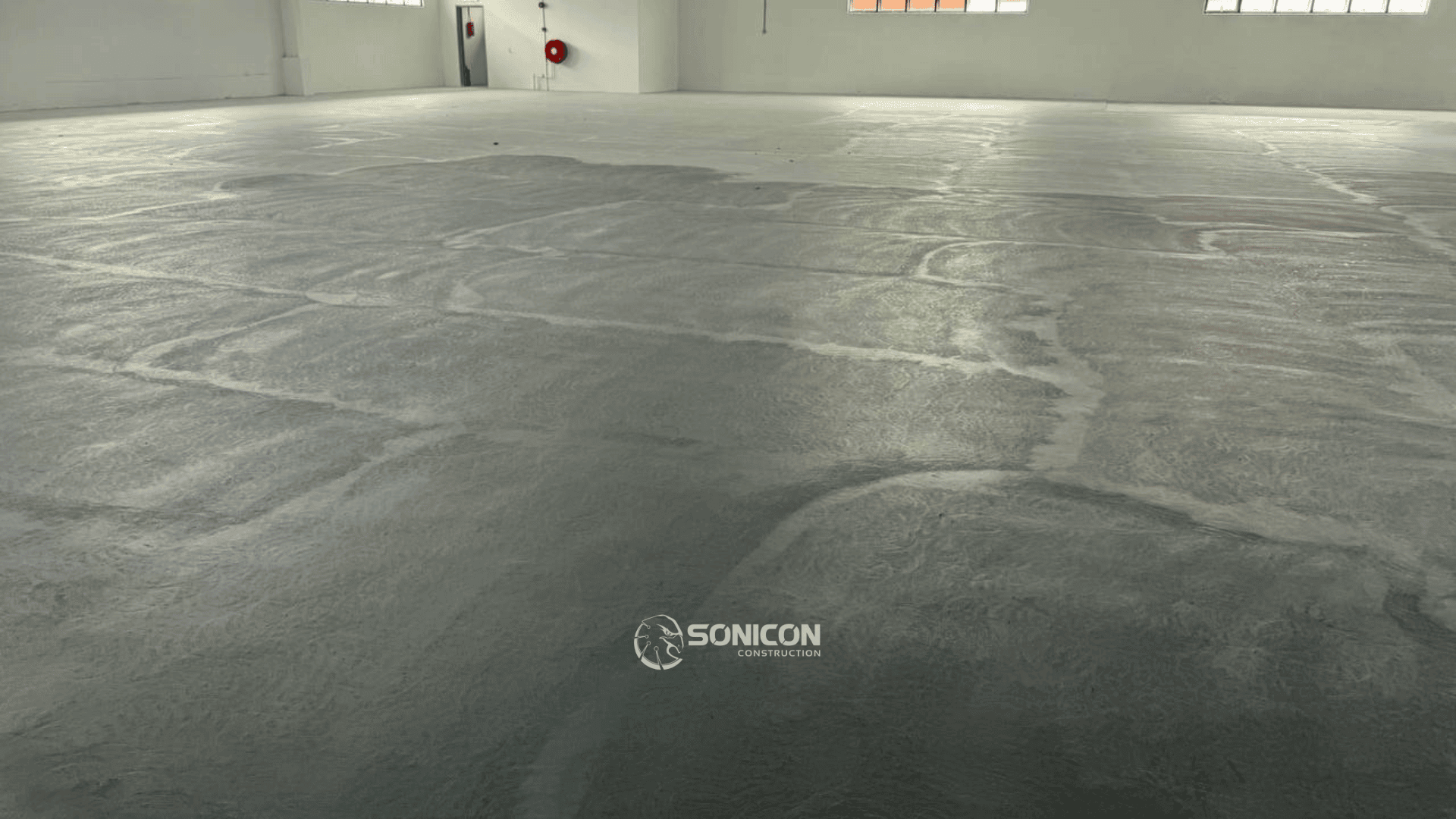
What starts as a slight unevenness, surface delamination, or minor cracking is often dismissed as only surface issues. However, in active environments such as warehouses, car parks, factories, and commercial buildings, these defects rarely stays ‘surface only’.
Uneven concrete floors create repeated impact from forklifts, vehicles, and pallet trucks. Over time, this leads to accelerated wear, joint failure, spalling, and further cracking. Poor drainage gradients cause water ponding, which weakens concrete, promotes corrosion of reinforcement, and increases slip hazards. Localised high spots place uneven stress on slabs, contributing to premature structural fatigue.
Without timely concrete floor repair, these defects disrupt operations, damage equipment, increase maintenance costs, and elevate safety risks.

Concrete Floor Repair as a Lifecycle Strategy
Concrete floor repair should not be viewed as a reactive fix, but as a proactive lifecycle management strategy. By correcting floor levels, removing high spots, and restoring proper gradients early, structural stress is redistributed evenly across the slab. This prevents secondary damage and slows down the rate of deterioration.
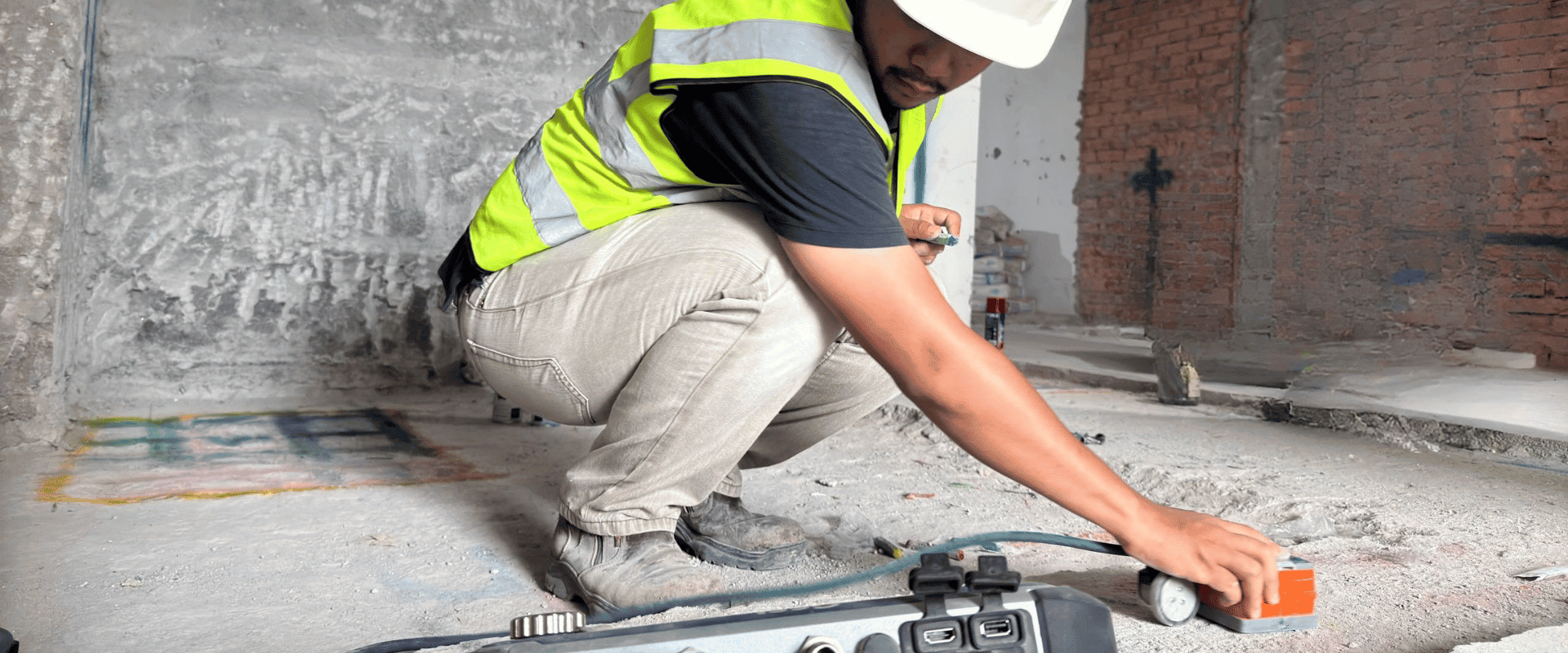
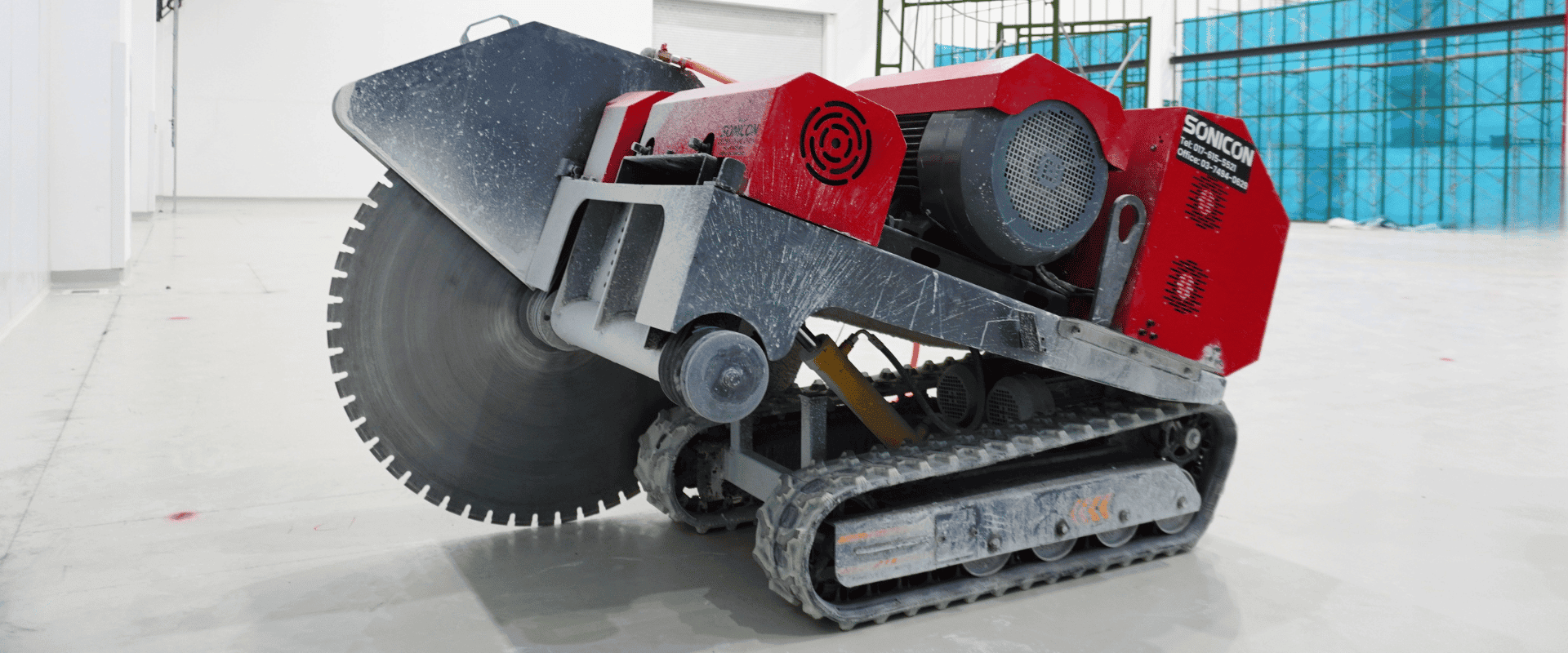
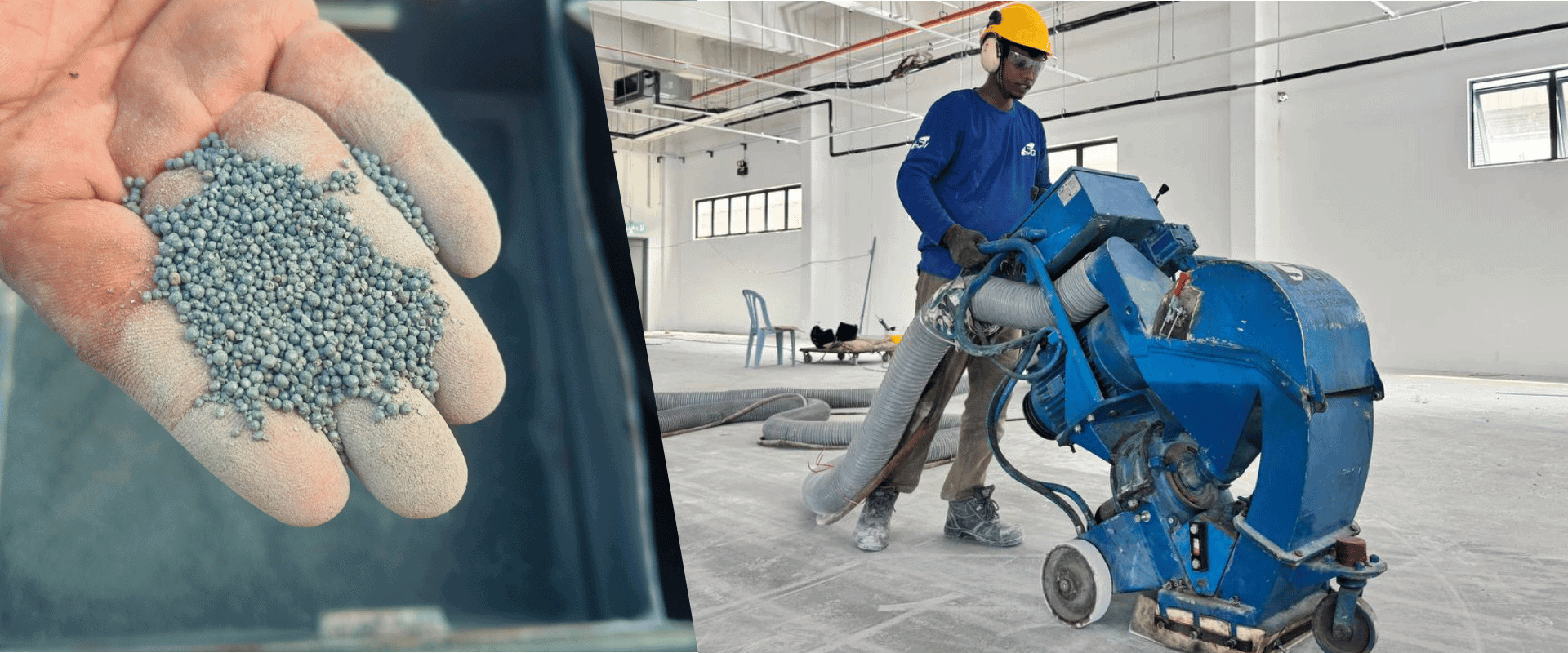
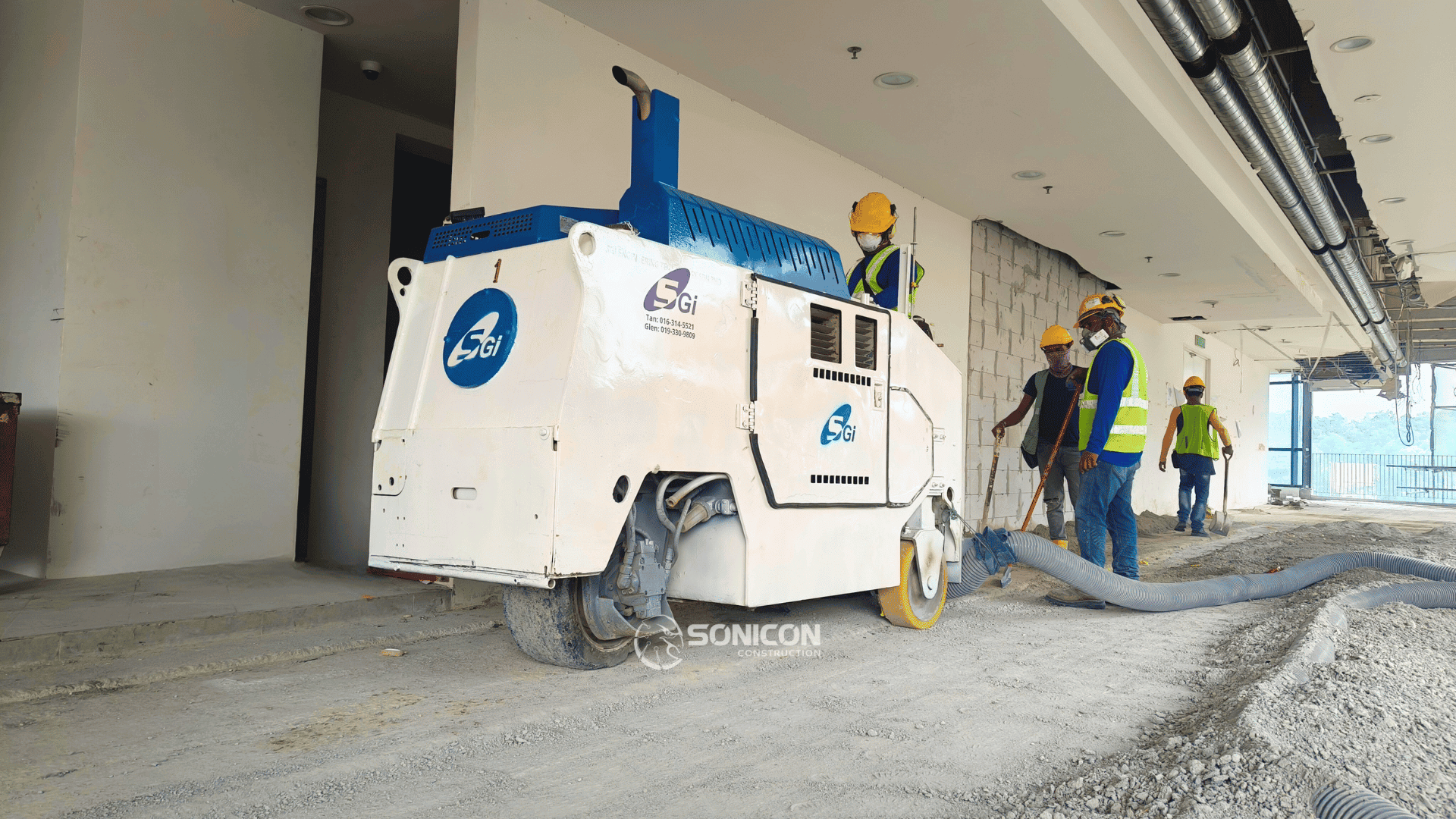
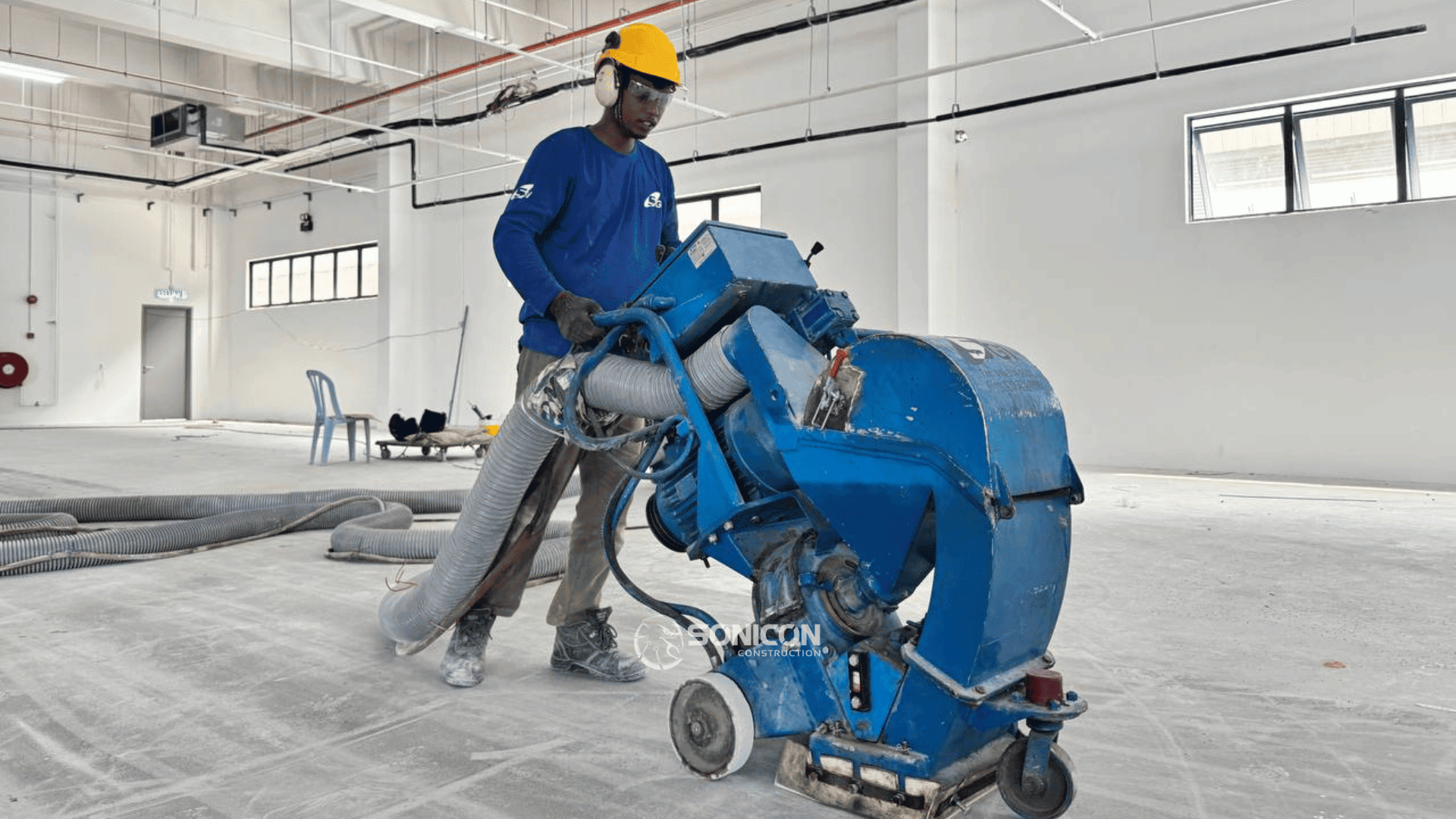
Methods such as precision milling and controlled surface and floor topping removal allow engineers to intervene without hacking or destroying the existing structure. The result is a strong concrete floor that is fit for continued use, compatible with new finishes, and capable of supporting evolving operational demands.
Extending Performance Without Rebuilding
From a time, cost, and sustainability perspective, concrete floor correction offers clear advantages. It avoids demolition waste, shortens downtime, and preserves structural elements that still perform as intended. In many refurbishment and upgrade projects, slab correction enables buildings to adapt to heavier loads, new layouts, or modern usage without starting over.