

The Challenge
An International School required a detailed understanding of its existing structural elements to support upcoming works within the building. As with many operational facilities, accurate as-built drawings were limited, making it essential to verify the internal reinforcements of the structure before any drilling or coring could begin.
Our Approach & Result
Sonicon was engaged to carry out advanced concrete scanning using Ground Penetrating Radar (GPR) technology. Our team conducted detailed subsurface investigations across slabs, beams, and columns throughout the building to:
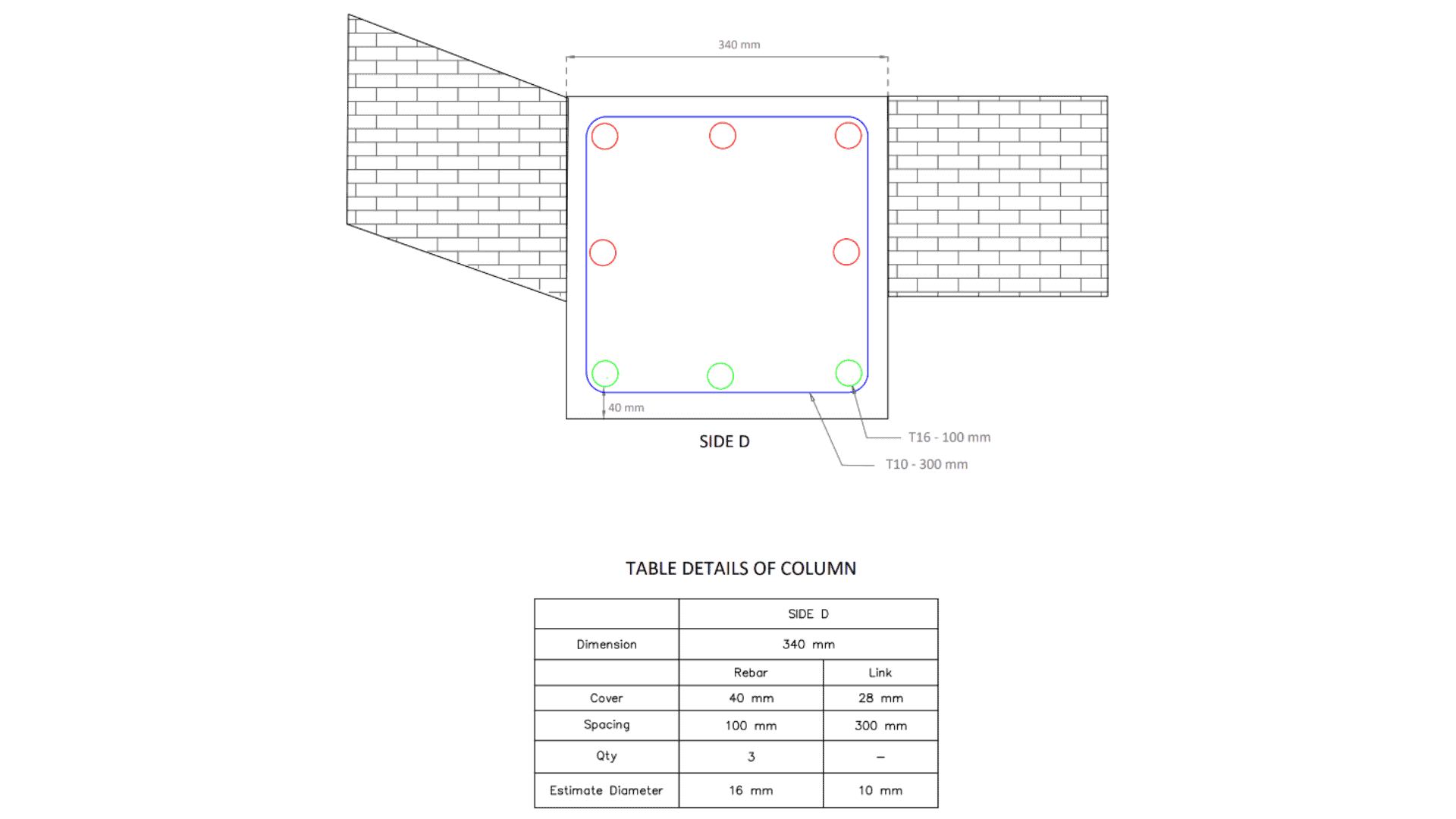
- Map reinforcement layouts, including top and bottom rebars
- Identify embedded elements such as conduits and internal services
- Determine concrete cover and spacing of reinforcement
- Generate accurate data for as-built structural drawings
All findings were clearly marked and documented, allowing for safe planning of subsequent works while maintaining the integrity of the structure.
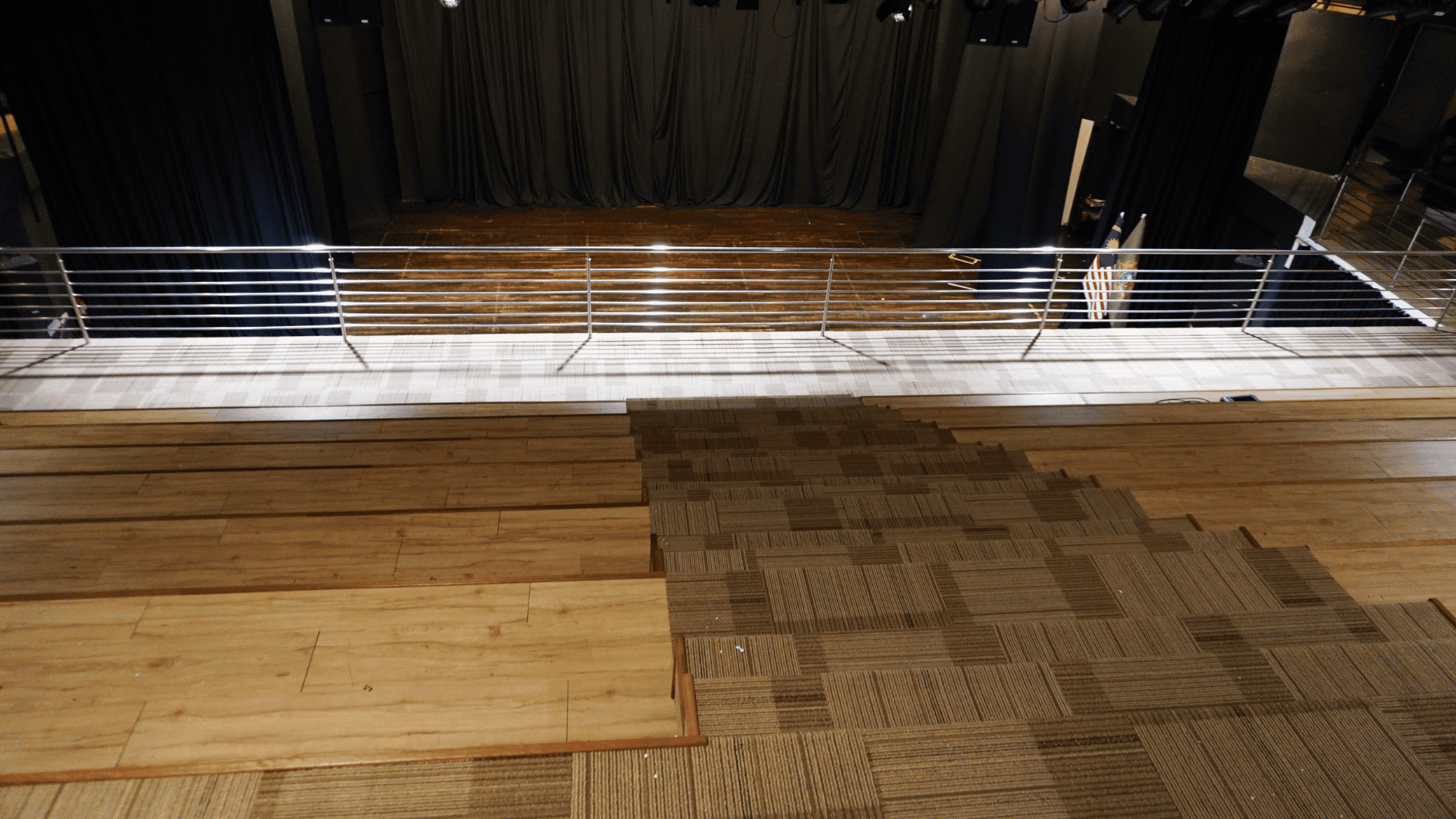
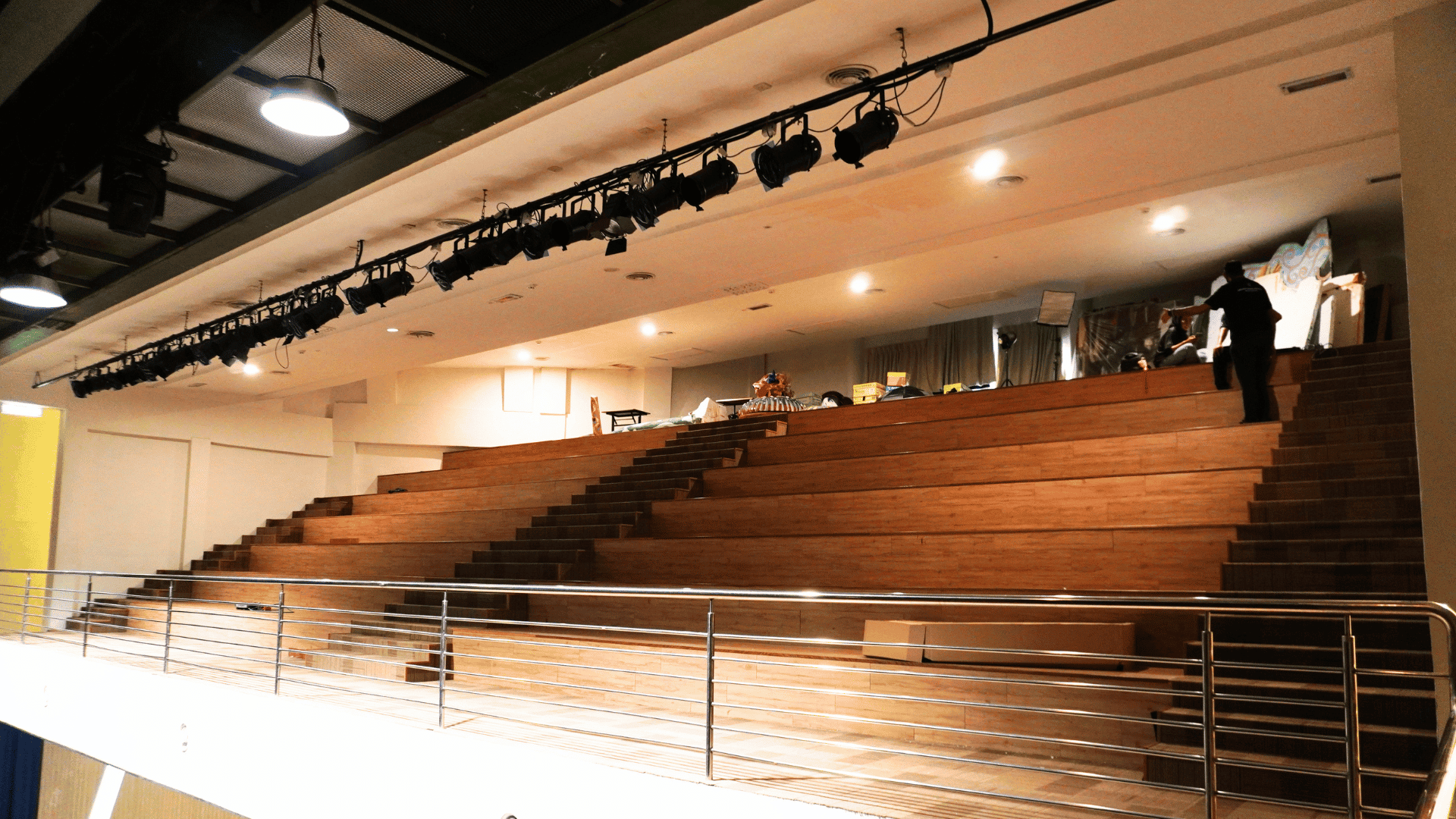


Accurate structural investigation is critical prior to any works, particularly in buildings with limited as-built documentation. At an International School, Sonicon was engaged to perform detailed non-destructive concrete scanning to support upcoming structural modifications while minimizing risk to existing elements.
Using a our 4000 Ground Penetrating Radar (GPR) Xradar equipped with a 2000 MHz antenna, high-resolution scans were conducted across slabs, beams, and columns. The scan identified multiple slab configurations and enabled detailed mapping of reinforcement, including top and bottom layers, with recorded bar spacing typically ranging between 100 mm – 250 mm depending on the structural element.
In addition to reinforcement profiling, the scans provided insights into concrete cover depth and embedded services, supporting accurate interpretation of structural conditions. All detected elements were marked on-site with recommended clearance allowances to guide safe execution of drilling and coring works.
The results provided a reliable basis for structural evaluation and planning, allowing the project team to proceed with confidence. This demonstrates the importance of data-driven structural assessment in ensuring safety, accuracy, and efficiency in refurbishment works, particularly within sensitive environments such as educational facilities.


