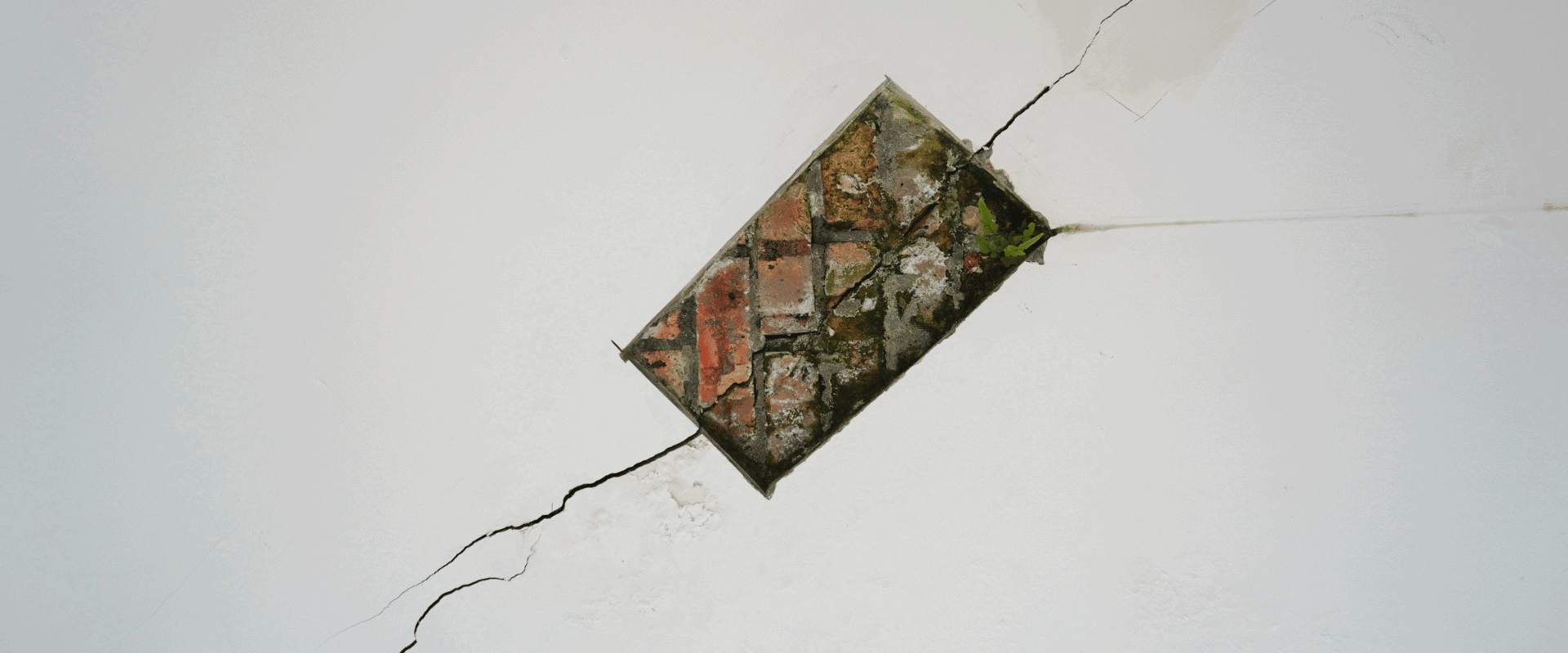
Concrete spalling is often treated as a surface issue. A patch here, a repaint there, and the problem appears ‘solved’.
But this only calls for falling concrete that can happen at any time.
This is because spalling is rarely just an external issue. It is a visible symptom of deeper structural deterioration that, if ignored, can escalate into serious safety, financial, and legal risks.
As reinforcement corrodes and expands, the surrounding concrete loses its bond and begins to delaminate. In car parks, balconies, industrial buildings, or public facilities, detached concrete fragments can fall without warning, posing a direct risk to people below. In Malaysia’s humid climate, this process accelerates, making spalling a frequent issue in old structures.
Beyond surface damage, corrosion that is spreading is the more damaging long-term risk. Once the internal reinforcement is exposed, moisture and oxygen can easily continue to attack the steel, causing corrosion to travel further along the bar.
This reduces the load-bearing capacity of the structure and increases the extent of repairs required later. What could have been a targeted repair work can quickly turn into large-scale structural rectification work.
There is also a liability and compliance risk. Property owners and operators have a duty to maintain safe structures. Ignoring visible deterioration increases exposure to accidents, insurance claims, regulatory action, and reputational damage. In live environments such as malls, hospitals, or residential buildings, this risk becomes even more critical.
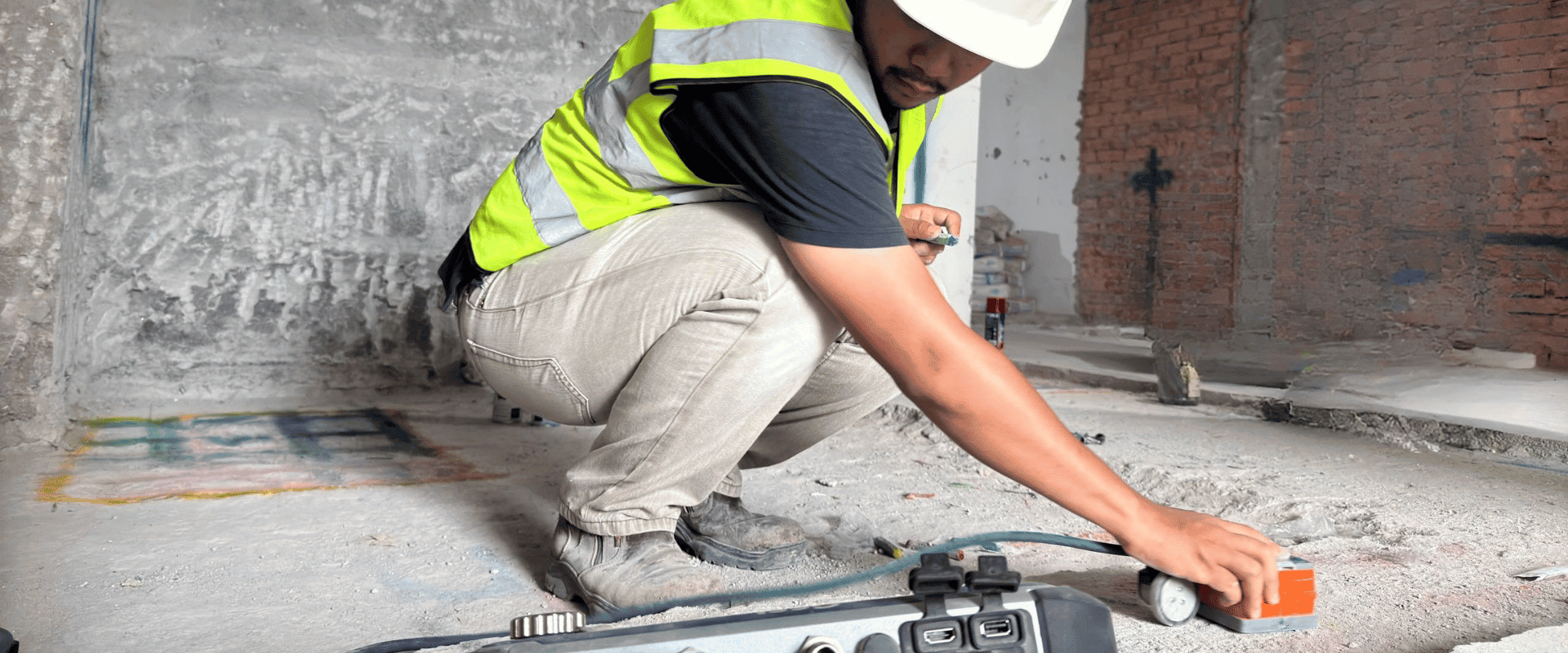
Addressing spalling early allows for controlled, data-driven repairs that focus on the affected zones without unnecessary demolition and could extend the service life of the structure.
Concrete spalling is a warning sign. Acting early protects people, preserves structures, and prevents small problems from becoming major failures.