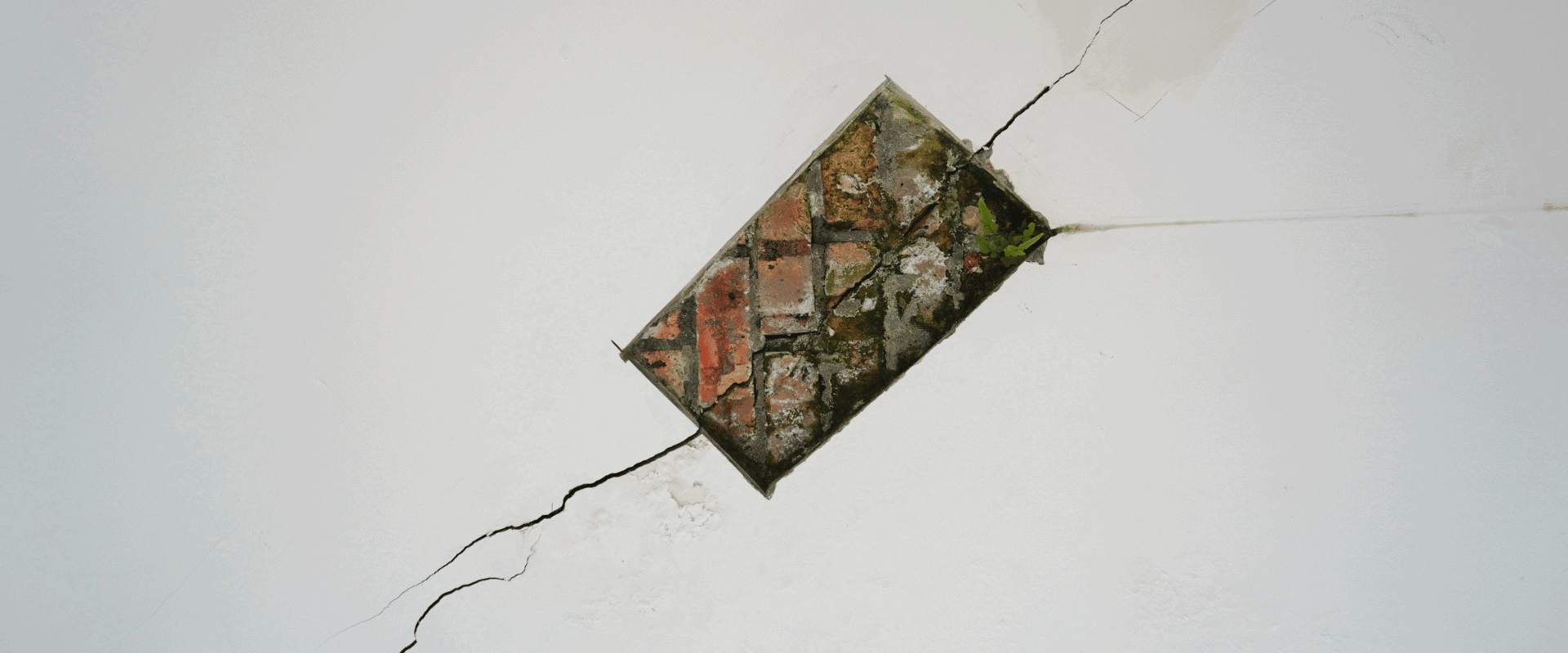
When an industrial floor begins to crack, spall, or deform under load, it doesn’t happen overnight. In most cases, it is the result of cumulative stresses that were not fully accounted for before construction, during construction, or the subsequent changes after construction.
One common cause is increased loading beyond original design presumptions. Business evolves; Buildings evolves too. Industrial facilities would add load or upgrade operations without reassessing the slab capacity. Floors that were once perfect may no longer be suited for the new demands.
Another factor is poor construction quality or insufficient reinforcement. Variations in slab thickness, inadequate concrete cover, or weak subgrade support can remain unnoticed until repeated heavy weight exposes the weakness. Environmental conditions, such as moisture ingress or chemical exposure, would further accelerate deterioration.
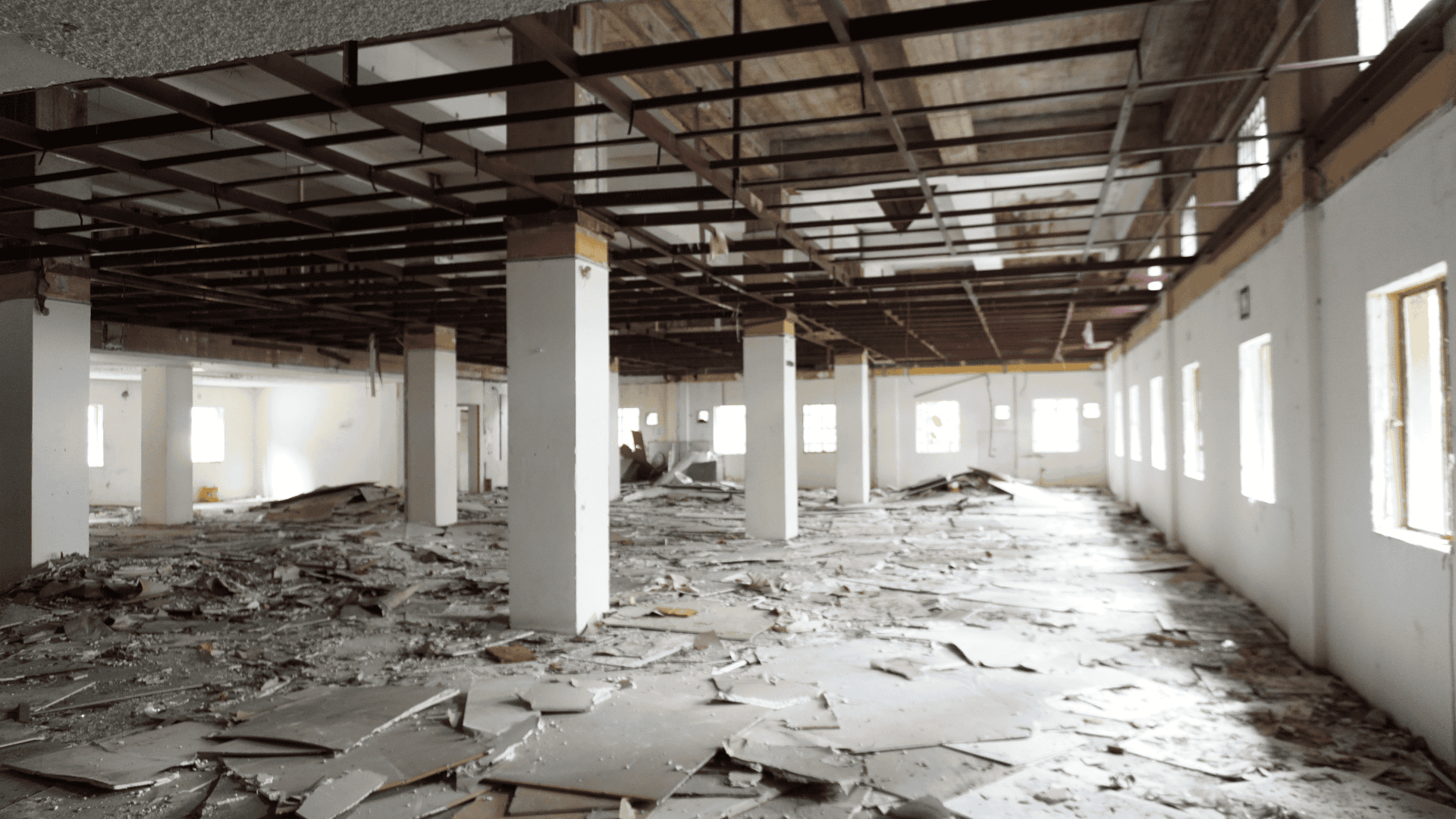


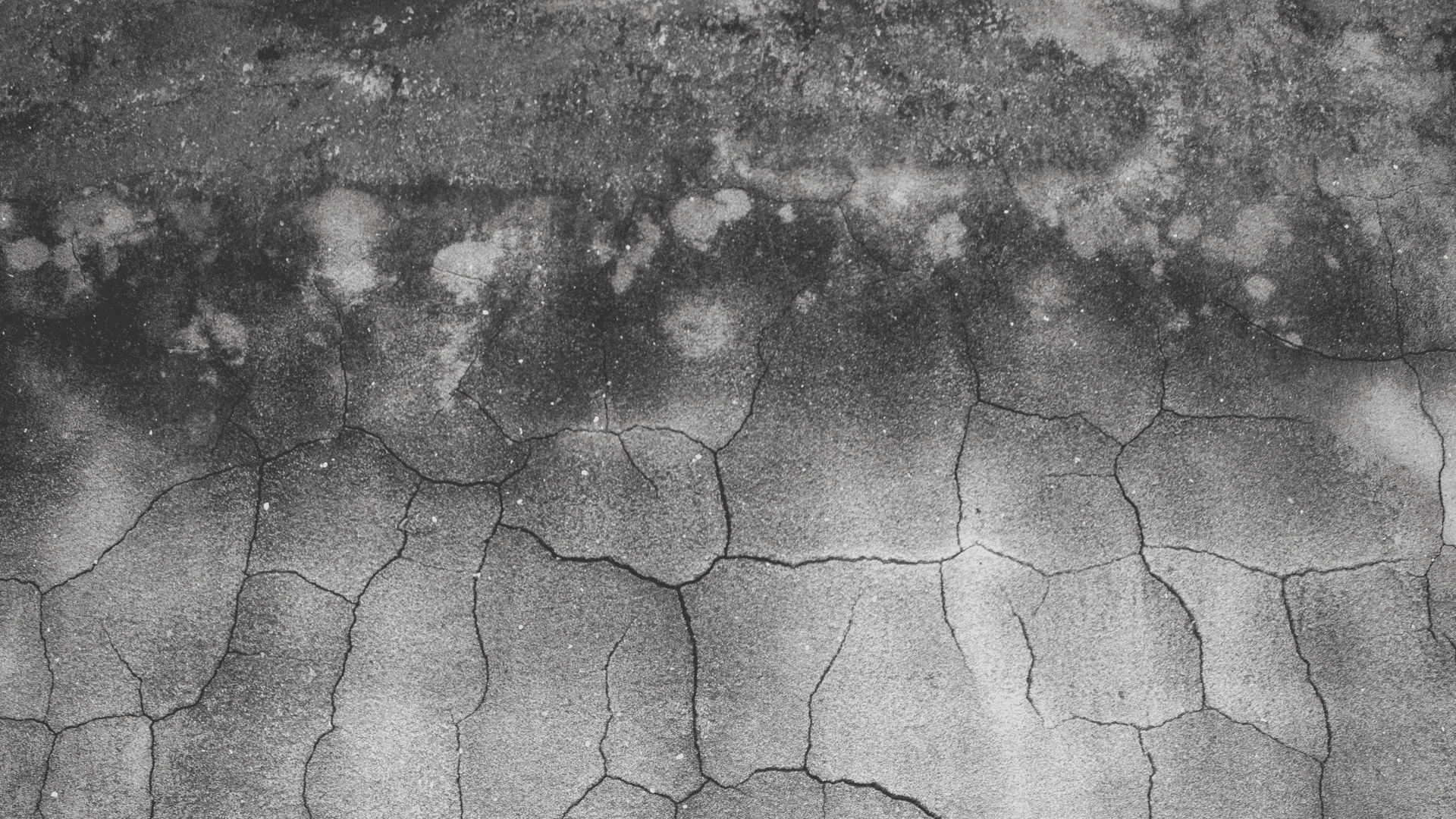

Drainage and ground movement could also be the perpetrator. Water ponding, soil settlement, or subgrade softening can reduce support beneath the slab, causing cracking and unevenness under load. Treating only the surface symptoms without addressing these underlying issues leads to recurring failures.
When industrial floors fail, the response is often reactive. However, without understanding why the failure occurred, these repairs rarely last.
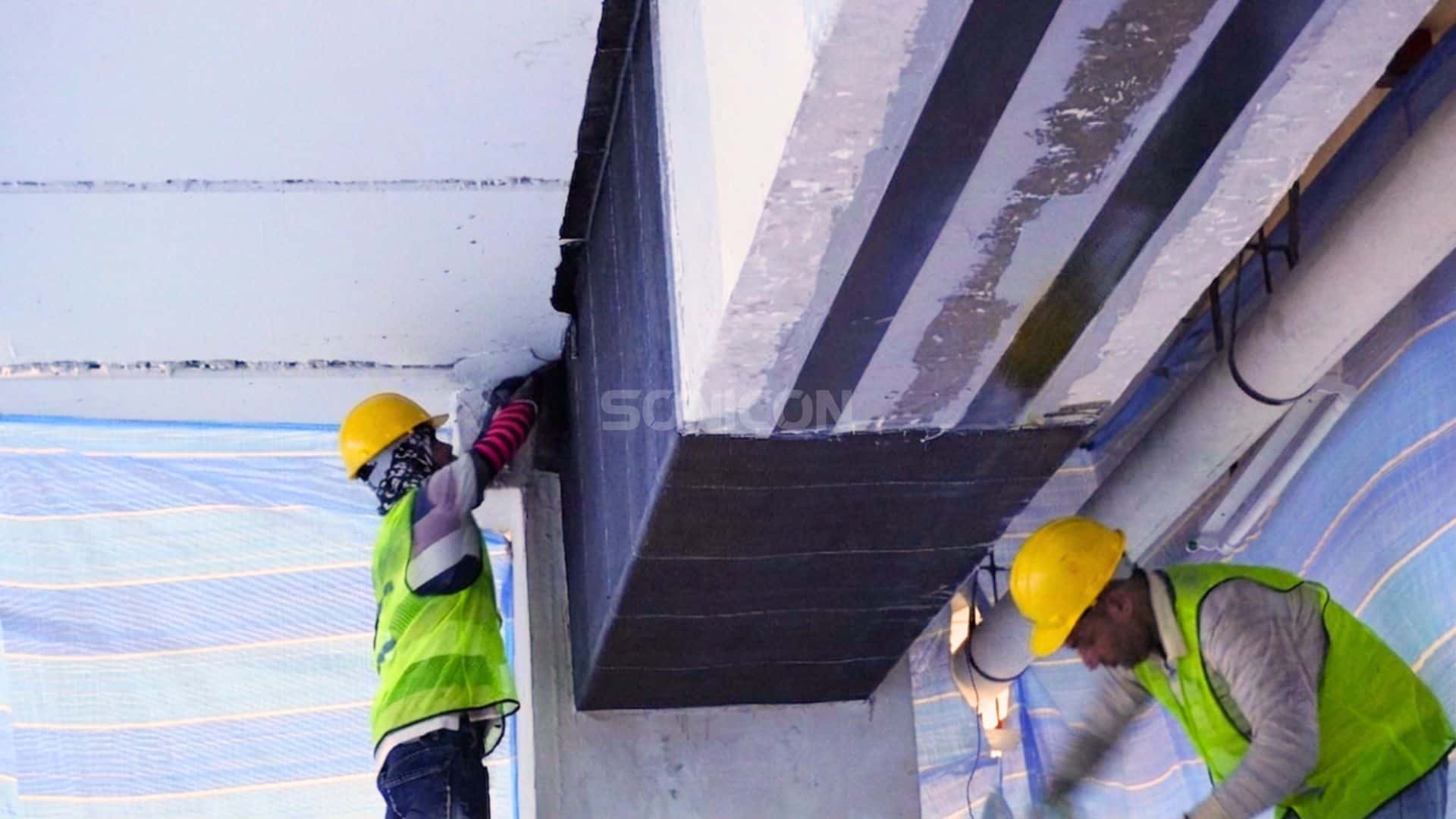
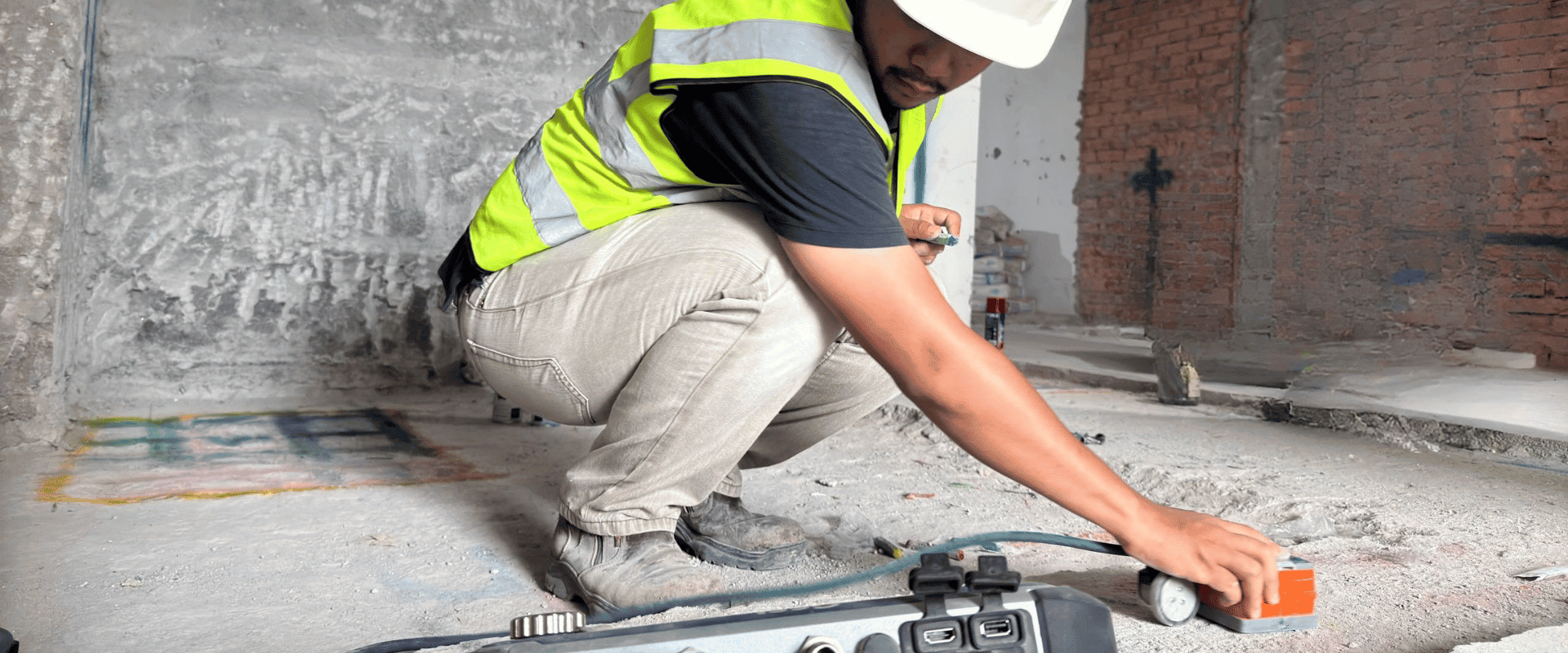
Effective solutions start with proper structural assessment. Once the root cause is identified, targeted slab correction can restore level and performance, while structural strengthening methods can enhance load capacity where required. This combined approach allows floors to safely support current and future operations.