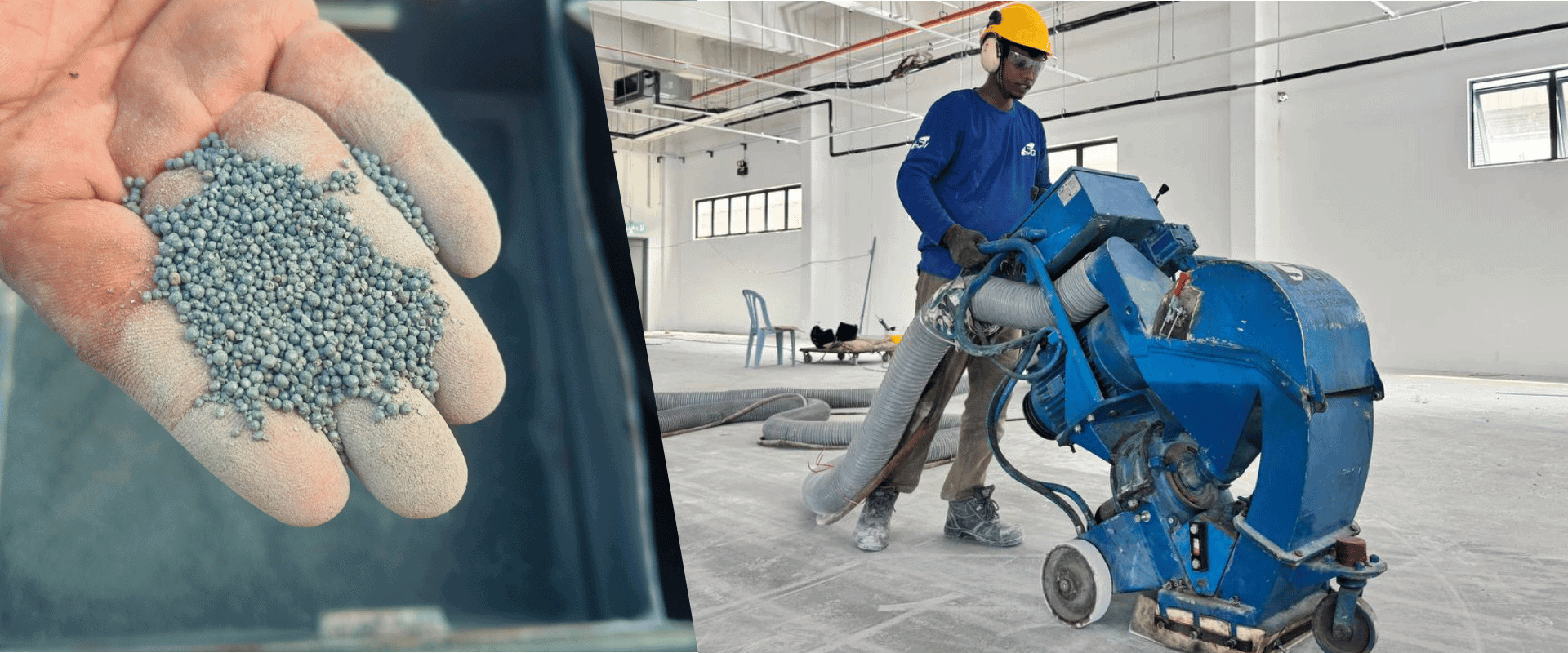
Floor flatness is often treated as a finishing detail, but in industrial and commercial environments, it directly affects safety, efficiency, and long-term operational performance. Whether in warehouses, factories, car parks, logistics hubs, or large retail back-of-house areas, uneven concrete floors create risks that go far beyond appearance.
From a safety perspective, uneven slabs increase the likelihood of trips, falls, and vehicle instability. Forklifts, pallet trucks, and automated guided vehicles rely on predictable floor levels to operate safely. Sudden changes in elevation or undulation can lead to load shifting, equipment damage, or accidents involving workers and goods.


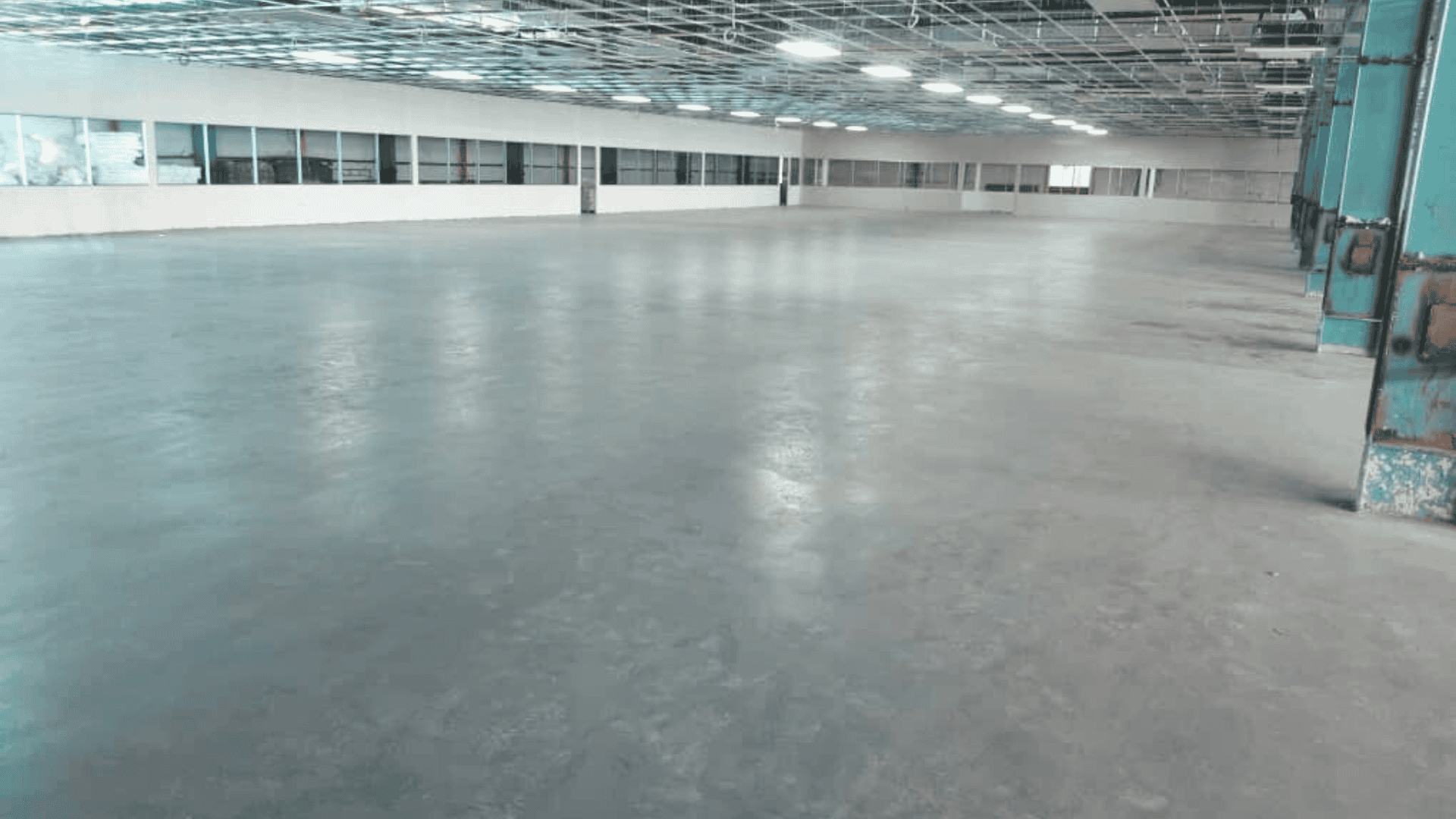

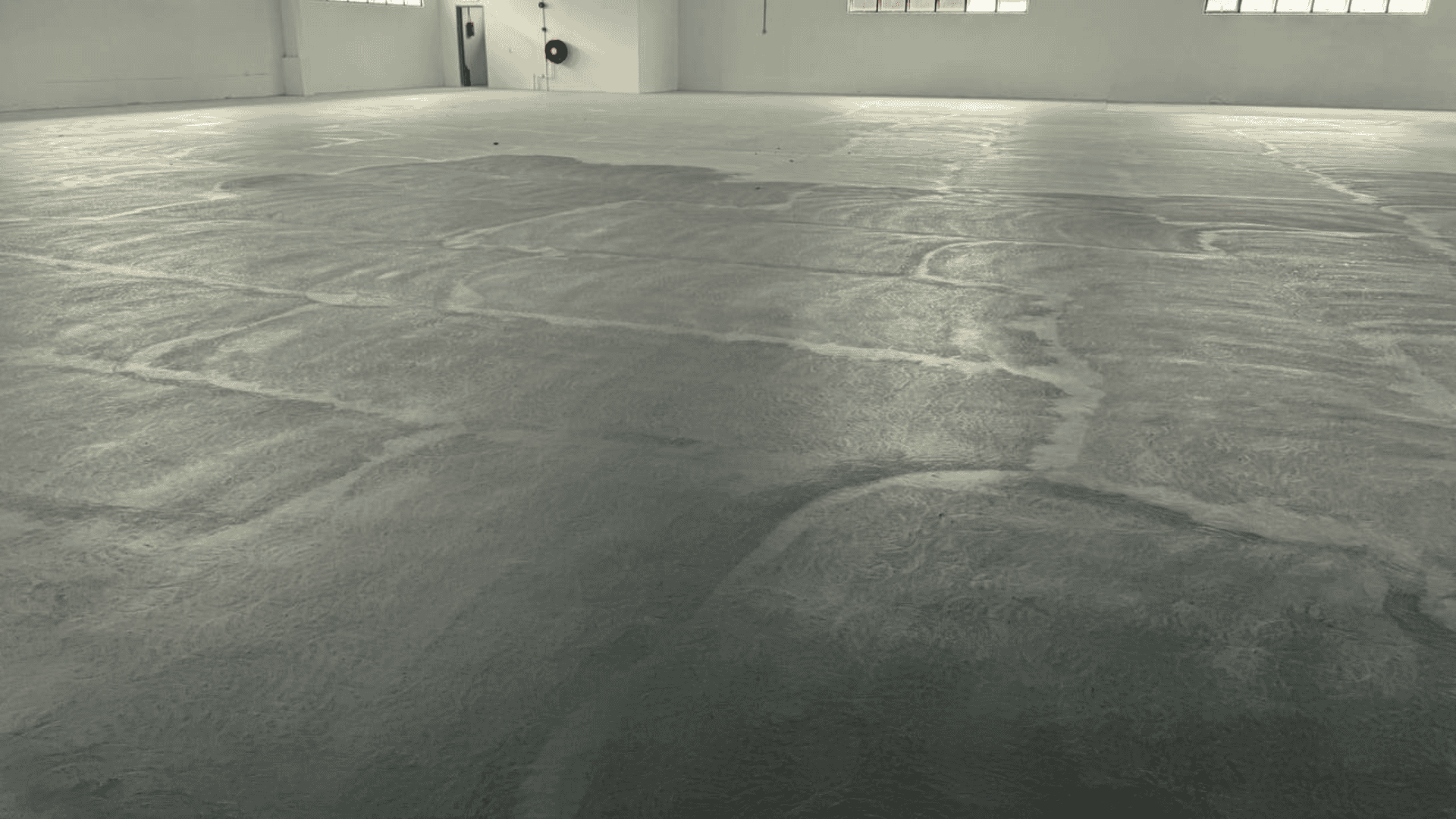
Productivity is equally impacted. In logistics and manufacturing environments, even minor floor deviations can slow down movement, disrupt workflow, and increase wear on machinery. Equipment vibration caused by uneven slabs accelerates maintenance needs and shortens service life. In very narrow aisle (VNA) warehouse, floor flatness is an essential, as it depends on precise movements.
Floor flatness also affects drainage, coating performance, and future modifications. Poorly levelled floors often lead to water ponding, premature coating failure, and repeated repair works. Over time, these issues compound into higher operating costs and downtime.
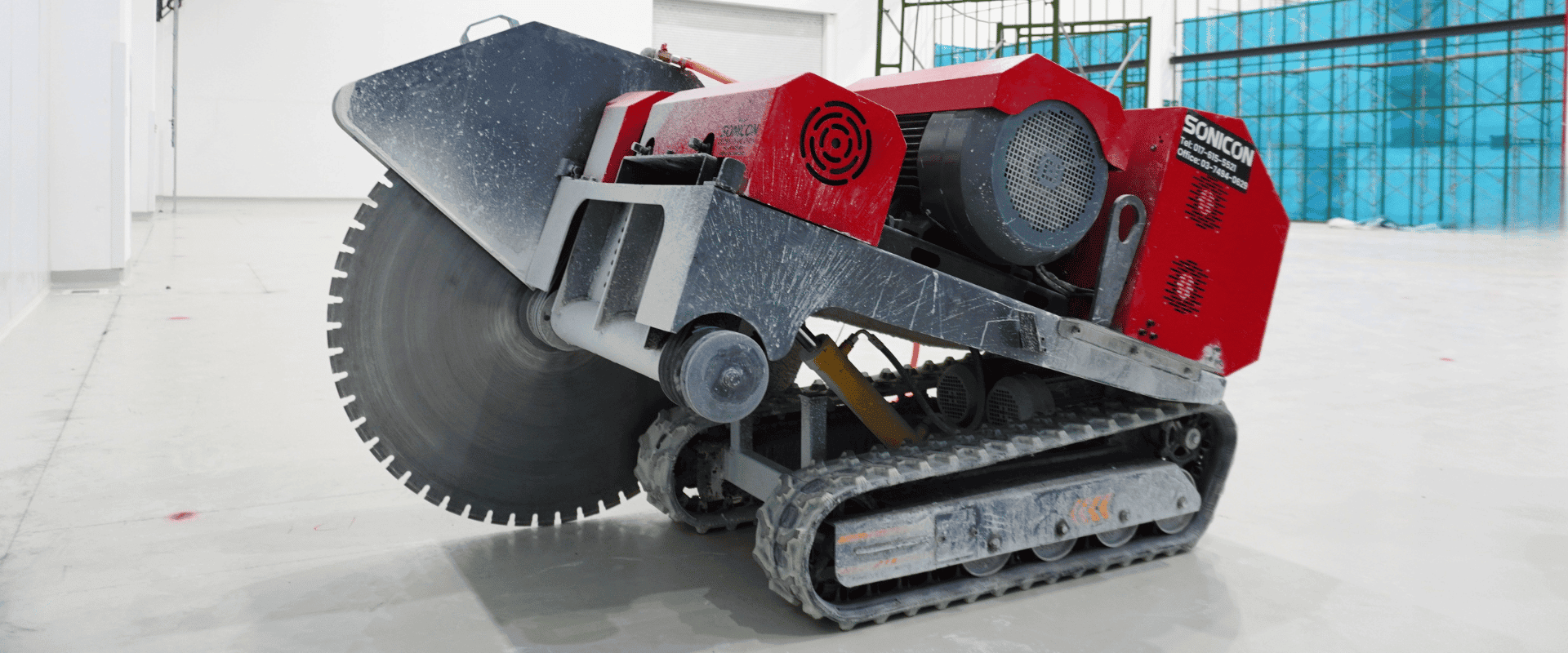
The good news is that uneven floors do not always require demolition and recasting. Slab correction methods such as precision milling, floor grinding, or selective rectification can restore flatness efficiently while preserving the existing structure. If defection is detected early, these solutions improve safety, enhance productivity, and extend the usable life of the floor without major disruption.