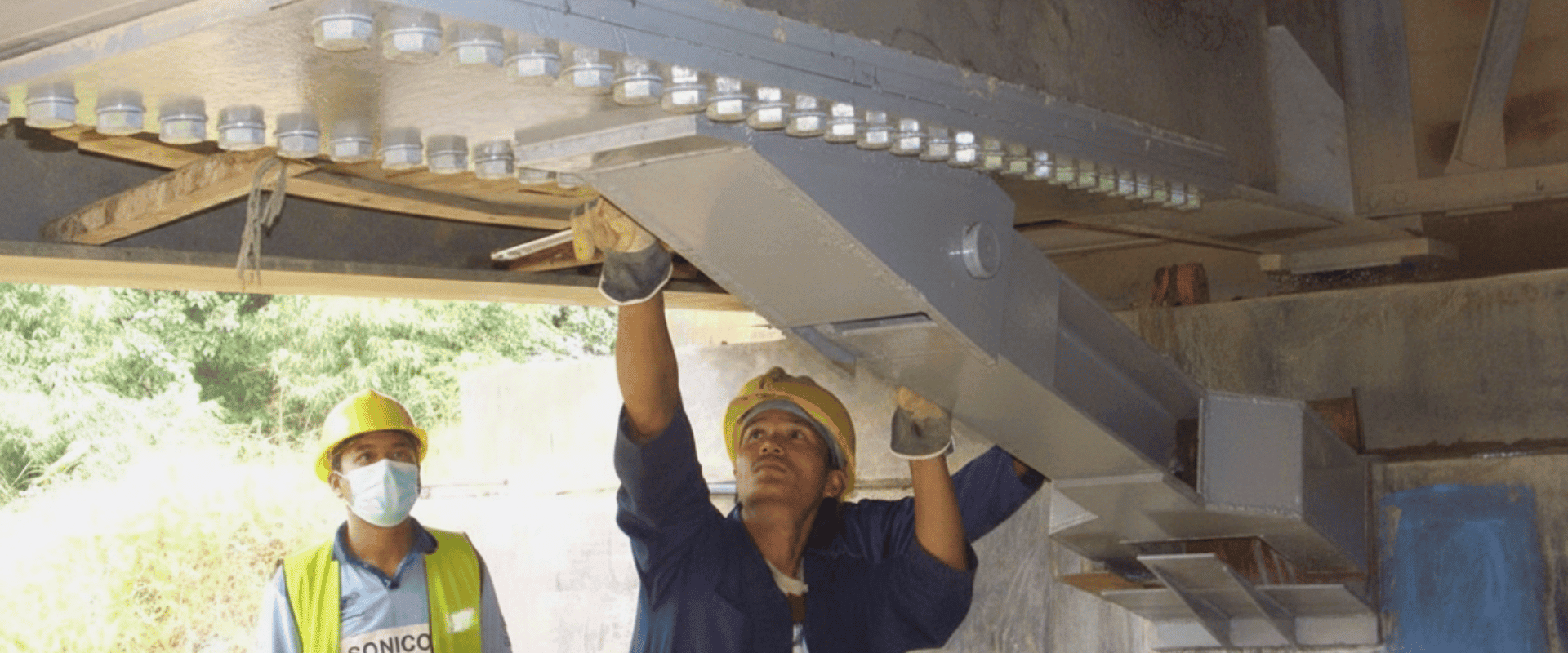
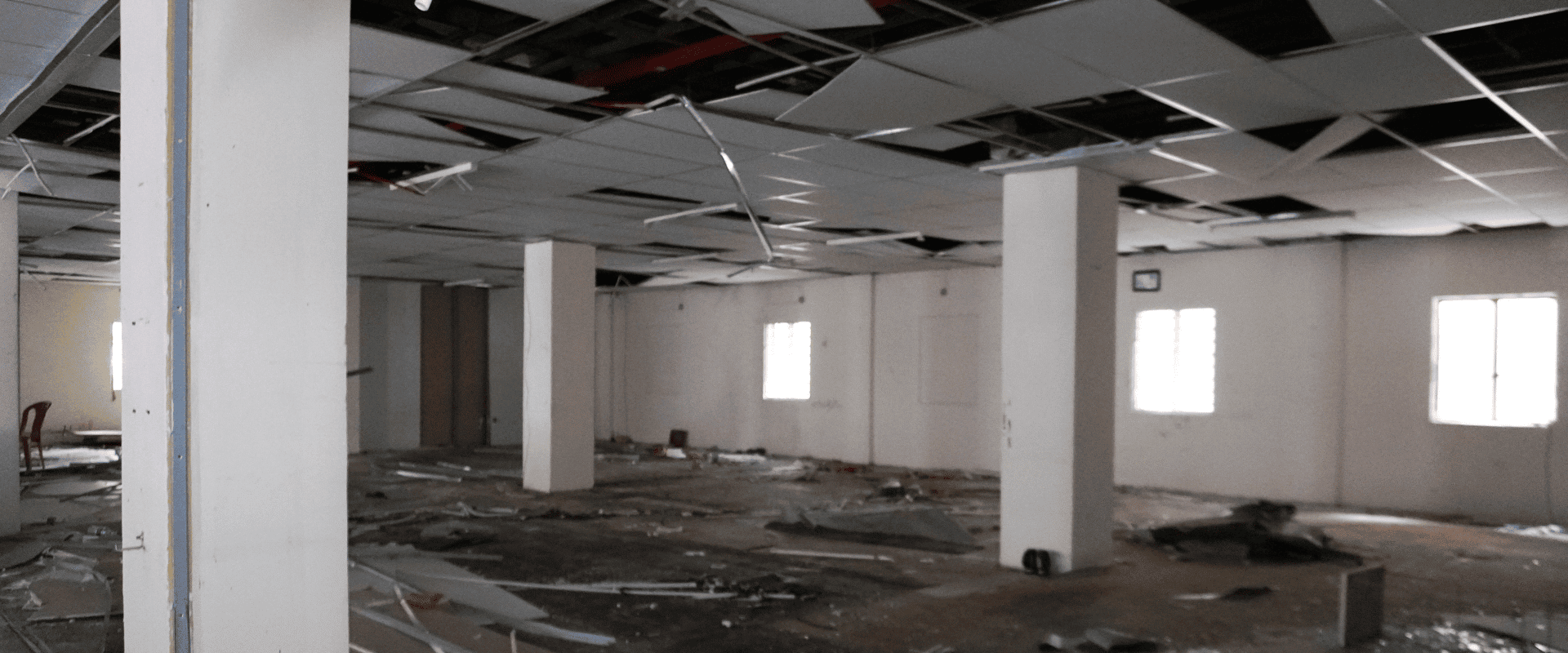
When a building shows signs of damage in the foundation, the first reaction is often to consider demolition and rebuilding. While rebuilding may seem like a clean solution, it is rarely the first or smartest option from an engineering perspective. As opposed, underpinning offers a safer, faster, and more economical alternative in many cases.
Engineers begin by assessing the cause of the problem, not just the visible damages. Foundation issues often stem from soil settlement, changes in loading, groundwater movement, or inadequate original foundation design. If the superstructure remains largely stable, rebuilding the entire structure would be excessive and wasteful.
Underpinning works by transferring structural loads to deeper, more stable soil layers or bedrock, stabilising the foundation and preventing further movement. In certain cases, it can even recover back to the original level. This approach addresses the root cause of settlement rather than masking its effects.
From a cost and time perspective, underpinning is usually far more efficient. Rebuilding requires demolition, debris removal, new approvals, and lengthy construction timelines. Underpinning, on the other hand, can often be carried out in phases with minimal disruption, allowing residents to return home in less than 2 weeks.
Safety and sustainability are also key considerations. Rebuilding generates significant construction waste and carbon impact, while underpinning preserves existing structures and materials. For older buildings or properties in dense urban areas, this reduced footprint is especially important.
Ultimately, engineers decide between underpinning and rebuilding based on structural condition, soil behaviour, feasibility, risk, and long-term performance. When the structure above can still perform its function safely, underpinning is frequently the smarter choice to restore stability, extending service life, and avoiding unnecessary loss of time, cost, and resources.
In foundation engineering, the best solution is not always starting over, but strengthening what already exists.