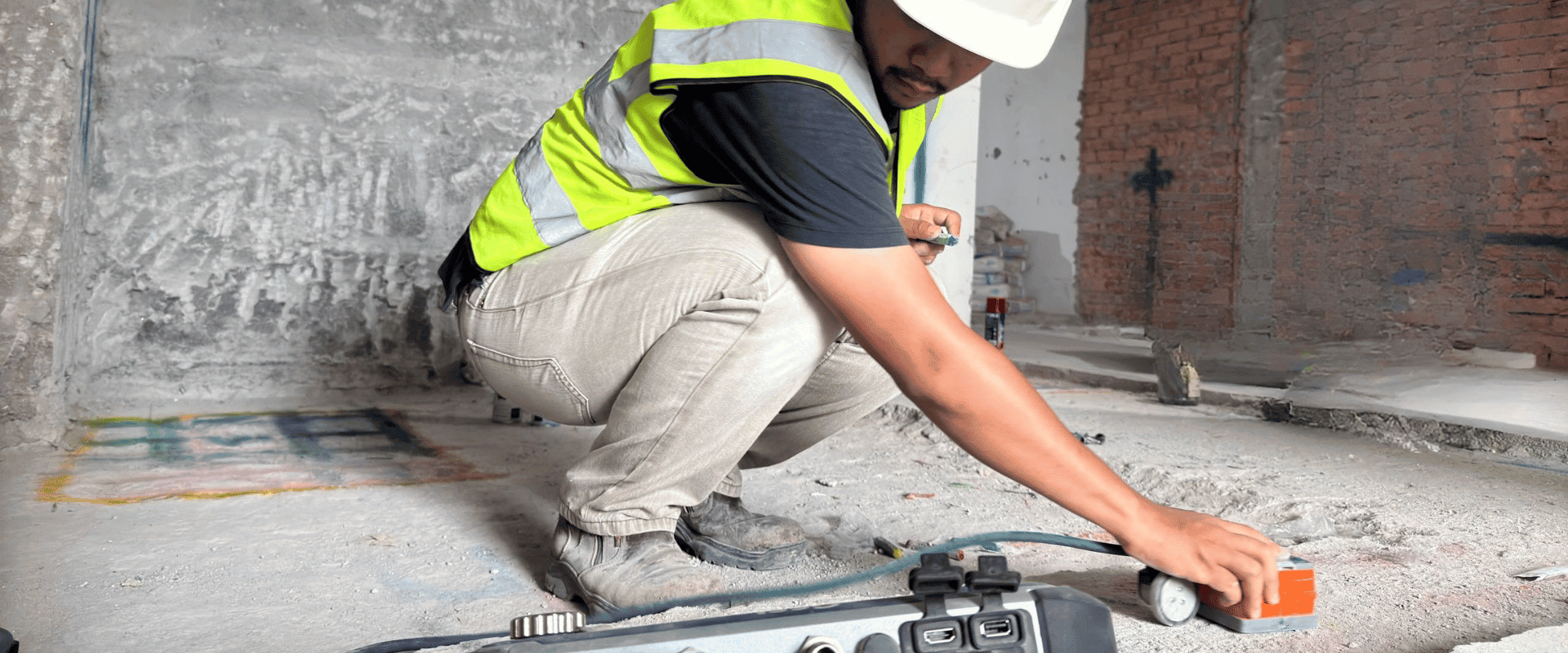
Across Malaysia’s construction sector, a noticeable shift is taking place. Project stakeholders (owners, consultants, and contractors alike) are increasingly integrating structural assessment and concrete scanning at the front end of cutting, coring, and demolition works. And this isn’t just a trend. It’s a reflection of the evolving priorities within the industry.
In the past, scanning was often seen as an optional step. Today, it’s becoming non-negotiable.
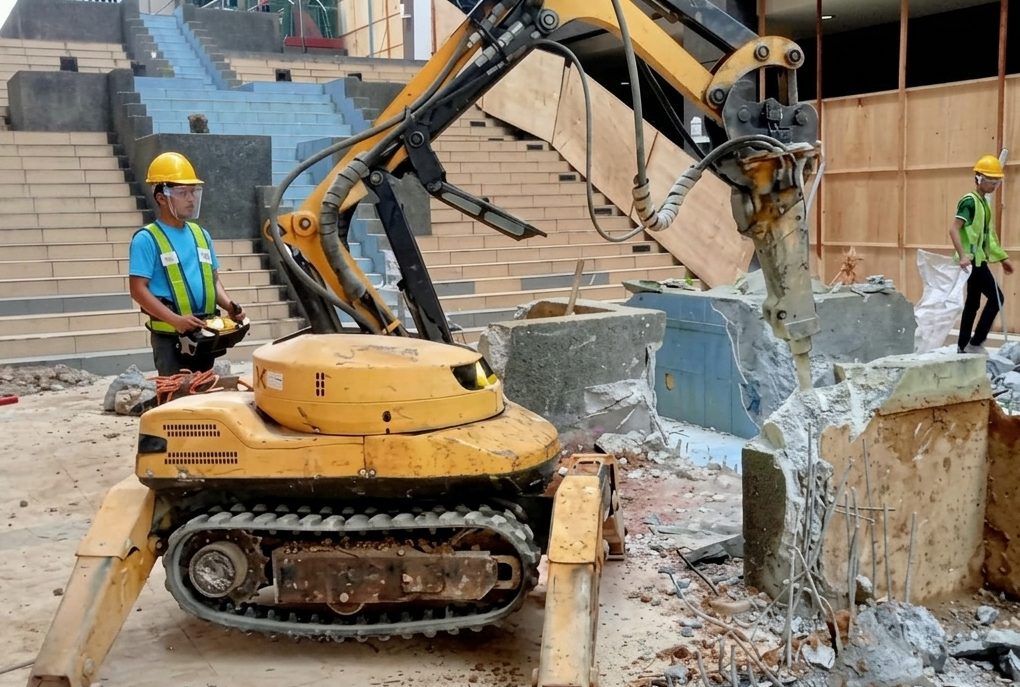
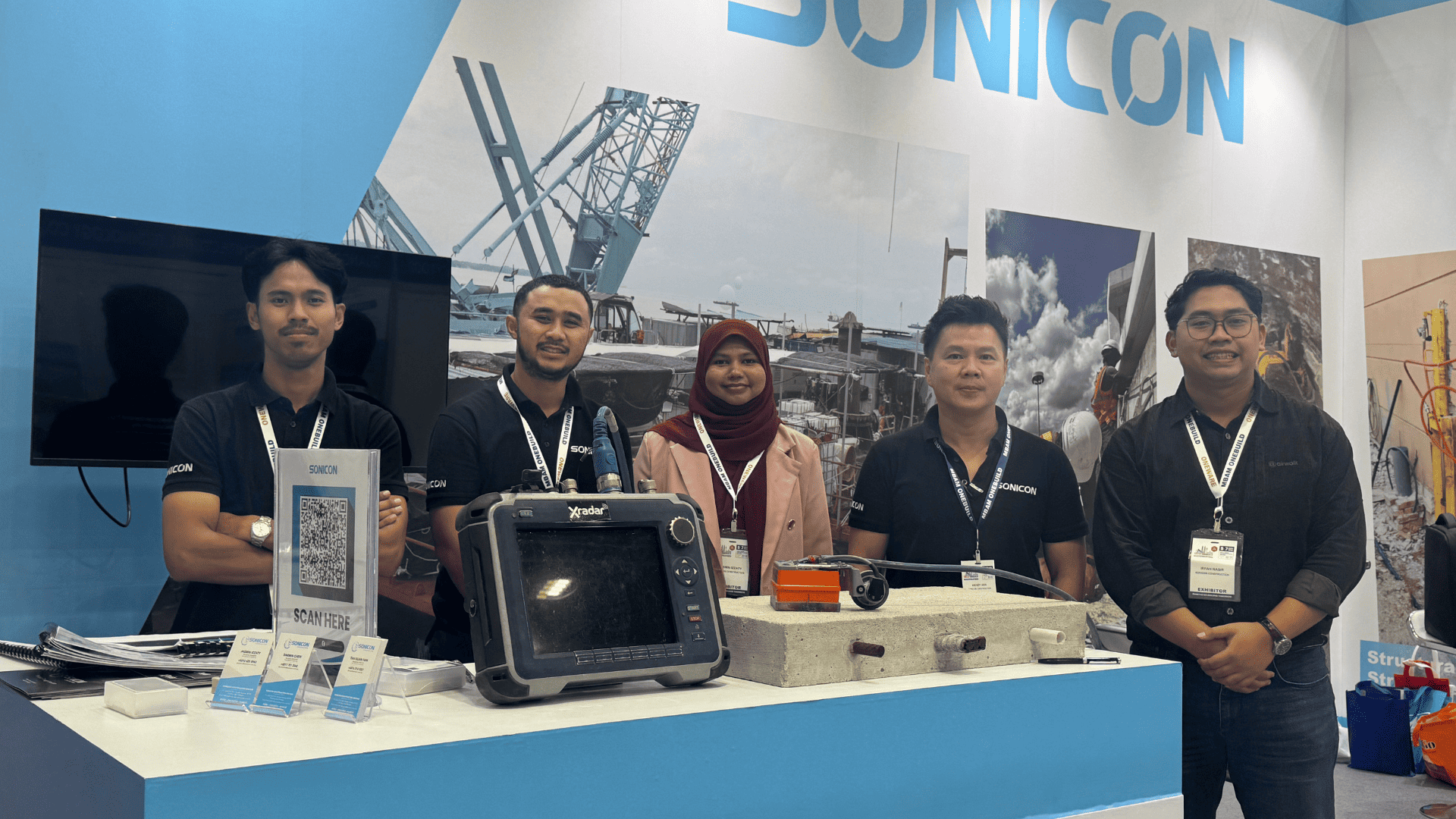
We’ve seen this shift firsthand. In recent months, several of our projects have involved concrete scanning and structural assessment right alongside our cutting and coring services. One clear example was our work for a retail store expansion. Before we removed 110m² of reinforced slab to install a new staircase, we scanned all 4 beam locations using Xradar™. This allowed us to determine safe coring points for the anchoring system, reducing risk and enabling us to complete the job cleanly and on time, even within the tight constraints of overnight mall operations.


The same integrated approach was used in recent projects like:
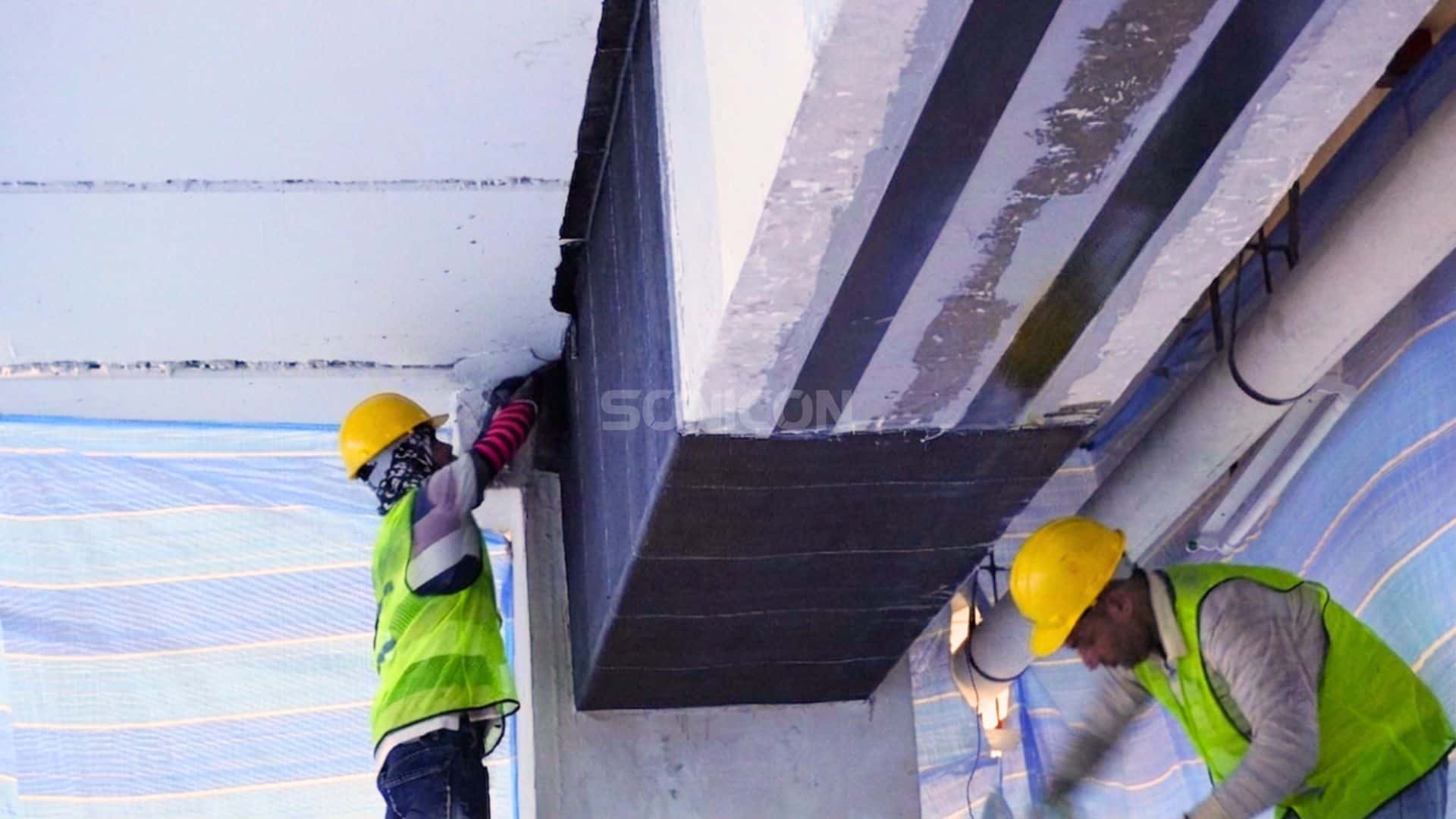
- A live water tank in Ampang Jaya, where we scanned the tank’s base to ensure no reinforcement bars would be compromised during subsequent strengthening works.
- A pantry expansion at Westside III, where we scanned and wall-sawed through a post-tensioned slab to avoid any cable strikes.
- Precision coring works at Menara TH Selborn, where safe coring paths were verified in advance to install drainage lines within an operational commercial floor.
In all these cases, structural scanning was essential. It protected the structure, shortened the timeline, and in many instances, prevented costly mistakes that would’ve demanded double the effort (and cost) to fix.
Now, with Malaysia’s newly expanded Sales and Services Tax (SST) covering rectification, refurbishment, and demolition services, the cost of getting it wrong is even higher. As highlighted by industry groups and reports, construction budgets are already navigating tight margins and rising material costs. Adding a tax layer means that every misstep comes with additional financial implications.
That’s why more clients are beginning to recognize that proper planning and precision execution is a matter of financial logic.


Looking at it from a cost management side, the most effective way to manage budget is to minimize waste, avoid delays, and ensure accurate scope execution. Concrete scanning directly supports this by providing clarity before cutting, accuracy before coring, and visibility before any irreversible decision is made.
In an environment where errors carry a tax premium, this level of foresight is invaluable.
We’re encouraged to see scanning and assessment being brought to the front of project planning in Malaysia. It shows a maturing market—one that values smarter workflows, reduced risk, and long-term cost savings. And as more professionals prioritize data-driven decisions, we look forward to continuing to support them with the tools and technical expertise needed to do it right the first time.